
Vàng đã trượt xuống mức thấp nhất trong hai tháng khi đồng USD mạnh lên và lợi suất trái phiếu tăng cao gia tăng áp lực lên kim loại không sinh lời này.
Vàng đã trượt xuống mức thấp nhất trong hai tháng khi đồng USD mạnh lên và lợi suất trái phiếu tăng cao gia tăng áp lực lên kim loại không sinh lời này.
Vàng đã trượt xuống mức thấp nhất trong hai tháng khi đồng USD mạnh lên và lợi suất trái phiếu tăng cao gia tăng áp lực lên kim loại không sinh lời này.
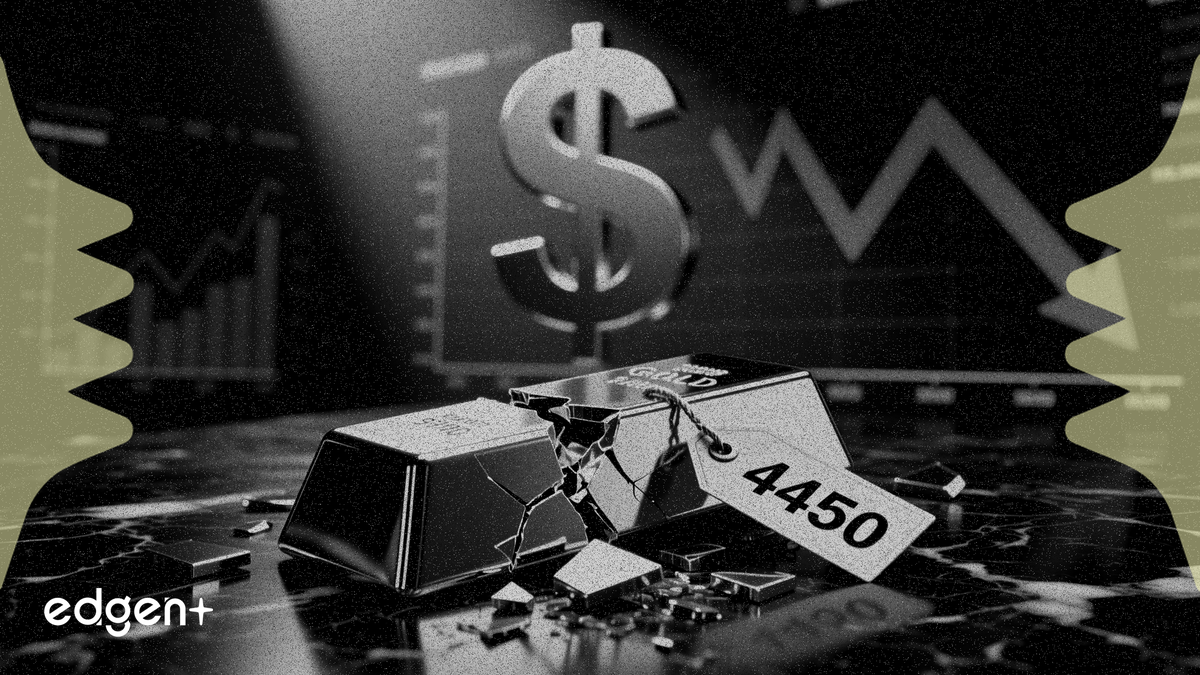
Vàng đã giảm xuống 4.450,09 USD một ounce, mức thấp nhất trong hai tháng, khi đồng USD mạnh lên và lợi suất trái phiếu Kho bạc cao hơn gây sức ép lên kim loại quý này trong bối cảnh kỳ vọng ngày càng tăng rằng Cục Dự trữ Liên bang Mỹ (Fed) sẽ tăng lãi suất để kiềm chế lạm phát.
"Yếu tố ảnh hưởng lớn nhất vẫn là Trung Đông. Đã có một số lạc quan thoáng qua, nhưng khi tình hình này kéo dài, sự lạc quan đó phai nhạt," Peter Grant, phó chủ tịch kiêm chiến lược gia kim loại cấp cao tại Zaner Metals, cho biết.
Vàng giao ngay đã giảm 1,3% xuống 4.450,09 USD một ounce, mức thấp nhất kể từ ngày 30/3, trong khi hợp đồng tương lai vàng Mỹ giao tháng 6 giảm 1,2% xuống 4.448,90 USD. Cuộc chiến tranh Mỹ - Israel với Iran bắt đầu từ cuối tháng 2 đã đẩy dầu Brent tăng 31%, làm dấy lên lo ngại lạm phát và củng cố kỳ vọng rằng các ngân hàng trung ương sẽ thắt chặt chính sách. Việc đóng cửa trên thực tế eo biển Hormuz - tuyến đường vận chuyển 1/5 lượng dầu thế giới - đã làm gia tăng lo ngại về nguồn cung.
Thị trường hiện đang định giá khả năng Fed tăng lãi suất 25 điểm cơ bản trước cuối năm, theo hợp đồng tương lai quỹ liên bang. Chủ tịch Fed chi nhánh Minneapolis Neel Kashkari cho biết ngân hàng trung ương phải tập trung vào việc kiềm chế rủi ro lạm phát, mặc dù còn "quá sớm" để dự đoán khi nào họ có thể thay đổi lãi suất chính sách hiện tại. Mặc dù là kênh phòng ngừa lạm phát, vàng gặp khó khăn trong môi trường lãi suất cao vì nó không mang lại lợi suất.
Đàm phán ngừng bắn với Iran mang lại sự phục hồi ngắn ngủi
Vàng đã thu hẹp một phần mức lỗ sau khi truyền hình nhà nước Iran đưa tin Tehran đã nhận được một bản dự thảo khuôn khổ không chính thức ban đầu cho một biên bản ghi nhớ với Mỹ. Theo đề xuất, Iran sẽ khôi phục vận chuyển thương mại qua eo biển Hormuz về mức trước chiến tranh trong vòng một tháng, trong khi Mỹ sẽ rút lực lượng quân sự và dỡ bỏ phong tỏa hải quân. Ngoại trưởng Mỹ Marco Rubio cho biết có thể mất "vài ngày" để đàm phán một thỏa thuận nhằm chấm dứt xung đột.
Nhưng Iran hôm thứ Ba cho biết Mỹ đã vi phạm lệnh ngừng bắn bằng cách tấn công các mục tiêu gần eo biển Hormuz, có khả năng làm phức tạp thêm nỗ lực kết thúc chiến tranh. Sự bất ổn này đã tiếp tục gây áp lực lên vàng khi các nhà giao dịch cân nhắc rủi ro xung đột kéo dài so với triển vọng giải pháp ngoại giao.
Dữ liệu PCE được chú ý
Các nhà đầu tư hiện chuyển sự chú ý sang Chỉ số Giá Chi tiêu Cá nhân (PCE) tháng 4 của Mỹ, dự kiến công bố vào thứ Năm, để tìm tín hiệu về lộ trình chính sách tiền tệ. Một kết quả nóng hơn dự kiến sẽ củng cố luận điểm tăng lãi suất và có khả năng đẩy vàng xuống thấp hơn. UBS đã hạ mục tiêu giá vàng cuối năm xuống 400 USD, còn 5.500 USD, với lý do rủi ro dai dẳng từ lợi suất cao hơn và đồng USD.
Trong số các kim loại quý khác, bạc giao ngay tăng 0,6% lên 77,40 USD một ounce, bạch kim gần như không đổi ở mức 1.957,75 USD, và palađi tăng 0,9% lên 1.391,68 USD.
Bài viết này chỉ nhằm mục đích cung cấp thông tin và không cấu thành lời khuyên đầu tư.
