

Gold traded at $4,002.30 per ounce on the COMEX late Tuesday, down 11 percent in the second quarter — the metal's worst three-month stretch since Q2 2013 — as a resurgent US dollar and hawkish Federal Reserve expectations crushed safe-haven demand.
Gold traded at $4,002.30 per ounce on the COMEX late Tuesday, down 11 percent in the second quarter — the metal's worst three-month stretch since Q2 2013 — as a resurgent US dollar and hawkish Federal Reserve expectations crushed safe-haven demand.
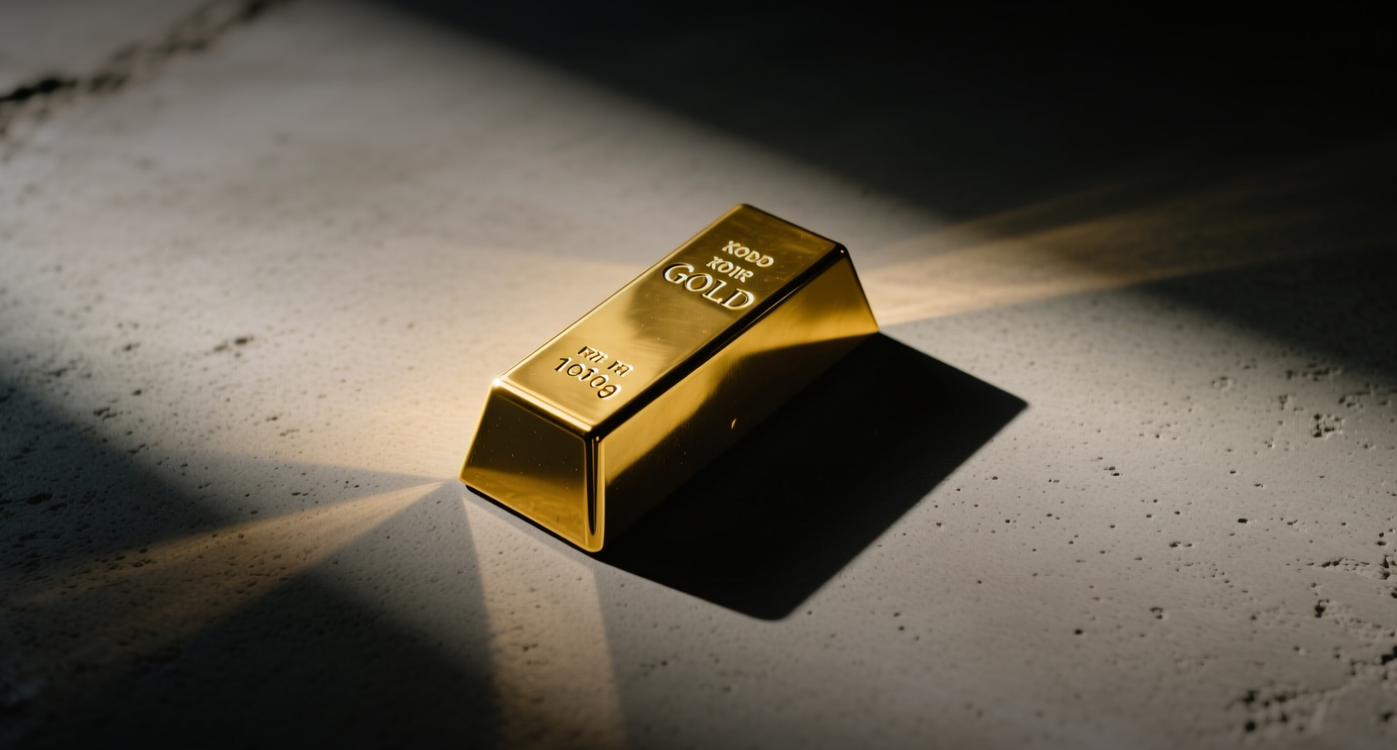
Gold traded at $4,002.30 per ounce on the COMEX late Tuesday, down 11 percent in the second quarter — the metal's worst three-month stretch since Q2 2013 — as a resurgent US dollar and hawkish Federal Reserve expectations crushed safe-haven demand.
"The macro headwinds are overwhelming gold right now — a stronger dollar, rising real yields, and the market pricing in over an 80 percent chance of a Fed rate hike by year-end," Ipek Ozkardeskaya, senior analyst at Swissquote Bank, said. "Central banks will eventually replenish reserves, but that's a second-half story."
The sell-off accelerated in June, with gold breaching its 200-day moving average and touching intraday lows between $3,980 and $4,022. Spot silver fared even worse, posting its largest quarterly decline since Q1 2020. The SPDR Gold Shares ETF (GLD) saw sustained outflows as institutional capital rotated into higher-yielding fixed-income instruments.
Gold has now shed roughly 28 percent from its January all-time high of $5,598.75, giving back the most speculative gains while still trading at historically elevated levels. The $4,000 level represents critical near-term support; a decisive break below could trigger stop-loss cascades toward $3,930, the November 2025 low. On the upside, gold must clear $4,100 to $4,115 to exit the danger zone, according to technical analysts. The next major catalyst is Fed Chair Kevin Warsh's appearance at the European Central Bank Forum in Sintra on Wednesday, followed by the US nonfarm payrolls report on Thursday.
This article is for informational purposes only and does not constitute investment advice.
