
주요 요약:
- 금 가격이 2026년 연초 대비 12% 변동하며 광산주에 변동성 초래
- 금광주와 금괴의 상대적 기술적 신호가 매수 기회 시사
- 광산주는 역사적으로 지속적 랠리에서 금을 outperform하며 레버리지 제공
주요 요약:
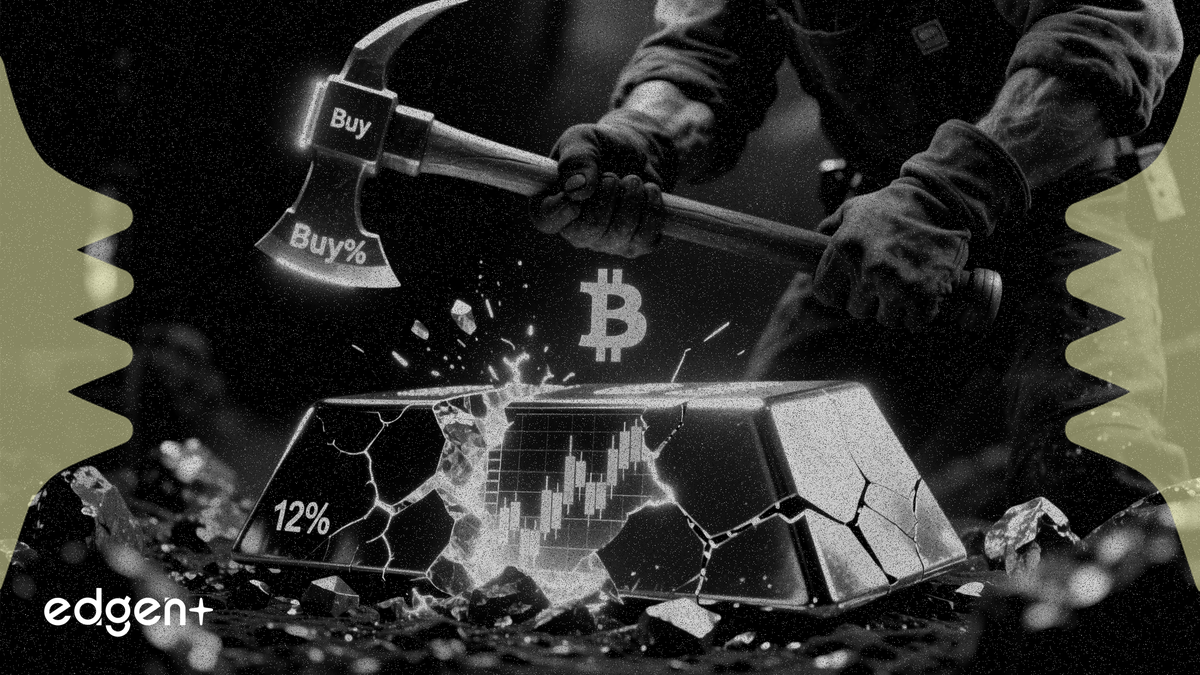
금광주가 시장에 매수 신호를 보내고 있다. 기초 금속이 연초 대비 12% 변동하는 가운데, 이러한 패턴은 역사적으로 금광주가 금괴 대비 초과 수익률을 기록한 선행 지표였다.
거래소 데이터에 따르면, 5월 26일 COMEX 금은 온스당 4,536.45달러에 마감하며 전일 대비 0.44% 하락했다. 미·이란 간 새로운 군사 충격이 단기 평화 합의에 대한 기대를 약화시키고 인플레이션 우려를 자극했기 때문이다. 귀금속은 2026년 들어 4,200~4,800달러 사이를 오가며, 12%의 변동 폭은 지정학적 위험 프리미엄과 달러 강세라는 상충된 힘이 반영된 결과다.
"금광주와 현물 금 가격의 비율은 2024년 랠리 이전에 마지막으로 목격된 수준으로 압축됐으며, 당시 광산주는 이후 6개월간 금괴를 18%포인트 outperform했습니다"라고 금속 및 자원 흐름을 담당하는 원자재 분석가 오마르 타리크는 말했다. "금 가격 대비 마진이 이렇게 조여질 때, 평균 회귀 거래는 생산자에게 유리하게 작용하는 경향이 있습니다."
이러한 괴리는 데이터에서도 확인된다. COMEX 금이 2026년 저점인 4,200달러 부근에서 약 8% 상승한 반면, 뉴몬트 코퍼레이션(Newmont Corp.)과 바릭 골드 코퍼레이션(Barrick Gold Corp.) 등 주요 생산자를 추적하는 벤치마크 지수인 NYSE Arca Gold Miners Index는 부진하며 업종의 가격 대비 순자산가치(P/NAV) 배수를 압축했다. 역사적으로 이러한 압축은 광산주가 금 가격 움직임을 따라잡거나 초과하는 방식으로 해소됐다.
2026년 금의 행보는 상반된 흐름으로 특징지어졌다. 금은 2월과 3월에 가파르게 하락했다. 비트코인 가격이 2025년 10월 고점 대비 약 40% 하락하면서 암호화폐 담보 대출 시장에 마진 압박을 가했고, 일부 기관 투자자들이 유동성 확보를 위해 금 포지션을 청산하도록 강제했기 때문이다. Investing.com 데이터에 따르면, 2026년 5월 중순 기준 현물 BTC 상장지수펀드(ETF) 운용자산(AUM)은 약 1,020억 달러로, 지속적인 기관 참여가 때때로 안전자산 수요 흐름에서 금과 경쟁해왔음을 반영한다.
공급 측면에서는 글로벌 광산 생산이 여전히 제약을 받고 있다. 세계금위원회(World Gold Council)는 2025년 생산량 증가율이 1% 미만으로 4년 만에 가장 낮은 수준을 기록했다고 보고했다. 남아프리카공화국과 호주의 성숙 광산 매장량 고갈이 네바다주와 서아프리카의 신규 프로젝트를 상쇄한 결과다. 기업 공시에 따르면, 주요 생산업체의 완전유지비용(AISC)은 온스당 약 1,450달러로 추정되며, 2024년 대비 8% 상승했다.
금광주의 다음 촉매제는 6월 12일이다. 미국 노동통계국이 5월 소비자물가지수(CPI) 데이터를 발표할 예정이다. 컨센서스 예상치인 3.1%를 상회하는 수치는 금의 인플레이션 헤지 내러티브를 강화하는 동시에 광산업체의 비용 구조에 압력을 가해 업종에 양방향 리스크를 창출할 것이다.
본 기사는 정보 제공 목적으로만 작성되었으며 투자 조언을 구성하지 않습니다.
