
Gold weakens as US-Iran de-escalation reduces safe-haven demand while expectations of Federal Reserve interest rate hikes raise the opportunity cost of holding the non-yielding metal.
Gold weakens as US-Iran de-escalation reduces safe-haven demand while expectations of Federal Reserve interest rate hikes raise the opportunity cost of holding the non-yielding metal.
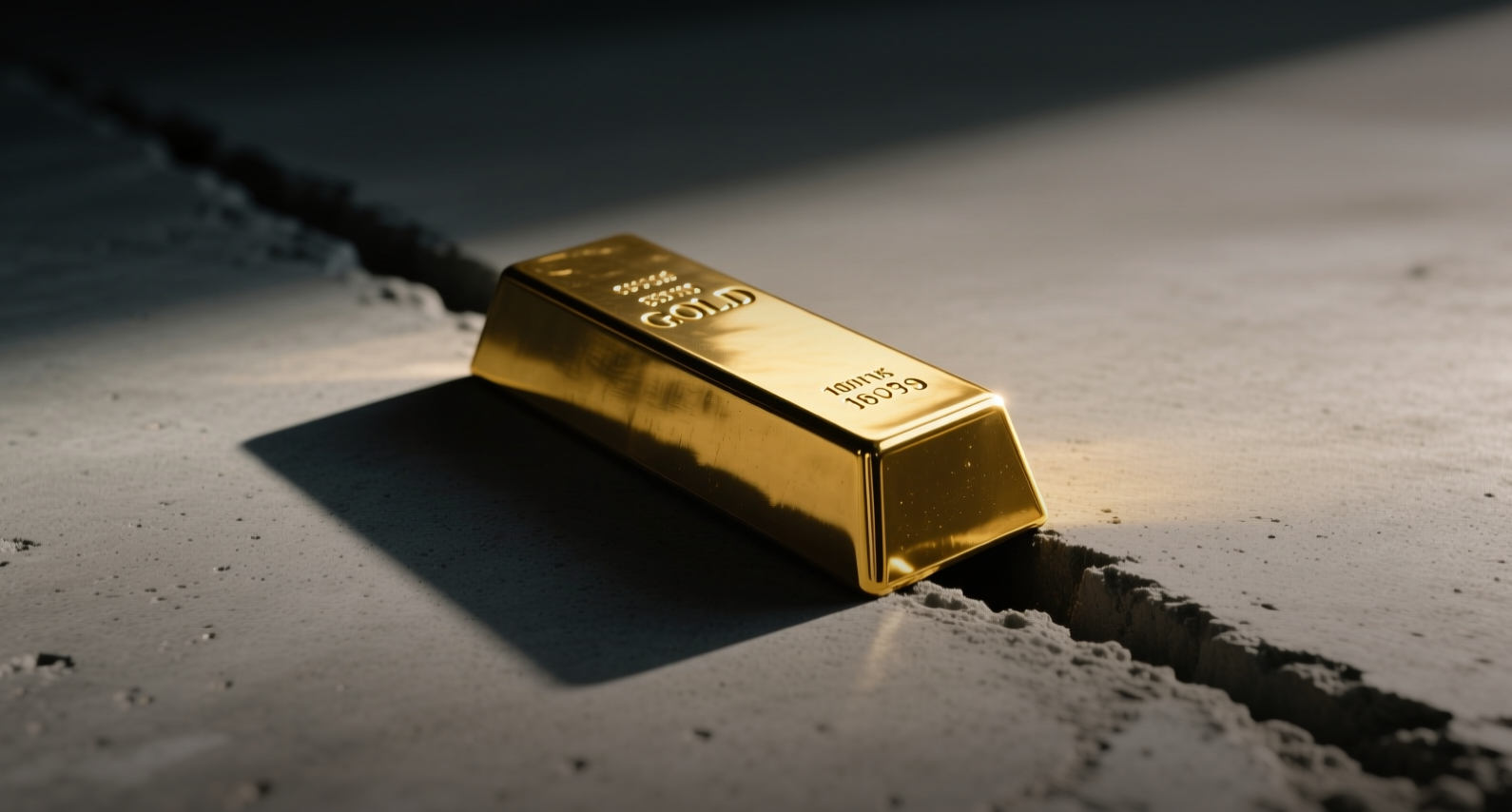
Gold prices fell Monday as the United States and Iran agreed to halt recent hostilities in the Gulf and renew talks, reducing the geopolitical risk premium that had supported the precious metal, while growing expectations of Federal Reserve tightening further weighed on bullion.
Spot gold declined 0.7% to $4,061.51 per ounce as of 0747 GMT, while U.S. gold futures for August delivery lost 0.5% to $4,076.20, according to Reuters data. The metal is heading for a fourth consecutive monthly loss of 10.5%.
"U.S. and Iran were at it again over the weekend, with fresh military strikes reported from both parties, which casts further doubt over how long oil can stay at these subdued levels and therefore over the broader inflation and interest rate outlook," said Tim Waterer, chief market analyst at KCM Trade.
Iran launched missiles and drones at U.S. military sites in Kuwait and Bahrain early Sunday, shortly after President Donald Trump threatened to wipe out the Iranian leadership. Tehran and Washington later agreed to halt recent hostilities and renew talks over their dispute in the Strait of Hormuz, a U.S. official said Sunday. The waterway handles about 21% of global oil trade, making any disruption a direct threat to energy prices and inflation expectations.
Oil Rises, Fed Bets Tighten
Oil prices climbed following the weekend strikes, with elevated crude prices potentially fueling inflation and strengthening the case for higher interest rates. While gold is typically viewed as an inflation hedge, it loses appeal as a non-yielding asset in a high-rate environment. Traders now expect three Fed rate hikes this year and are pricing in an about 80% chance of a December increase, according to the CME FedWatch Tool.
The last time a similar US-Iran escalation occurred in early 2020, gold surged above $1,700 before retreating as diplomatic channels reopened, a pattern that appears to be repeating at far higher price levels. The current retreat from above $4,076 suggests the geopolitical risk premium embedded in gold is unwinding rapidly as de-escalation takes hold.
The dual pressure of fading safe-haven demand and rising rate expectations has pushed the dollar higher, compounding gold's decline. A stronger dollar makes dollar-denominated commodities more expensive for holders of other currencies, creating a feedback loop that accelerates selling in precious metals.
Data Watch and Forward Outlook
Investors are now looking to June's ADP employment data and the U.S. nonfarm payrolls report, both due later this week, to further gauge the Fed's monetary policy stance. A strong labor market reading would reinforce the case for rate hikes, adding further pressure on gold. Nonfarm payrolls have averaged about 200,000 per month over the past three months, above the breakeven rate estimated by the Atlanta Fed.
"Gold could see the $5,000 level again this year but this would be based on further de-escalation, oil having a sustained move to pre-war levels to dull the inflationary impact of the conflict, and a softer dollar," Waterer said.
In other precious metals, spot silver fell 0.9% to $58.64 per ounce, while platinum gained 0.1% to $1,616.55 and palladium rose 1% to $1,221.29.
This article is for informational purposes only and does not constitute investment advice.
