

Key Takeaways: Google's Pixel 11 launch shows how AI's appetite for memory chips is now hitting consumers' wallets directly.
Key Takeaways: Google's Pixel 11 launch shows how AI's appetite for memory chips is now hitting consumers' wallets directly.
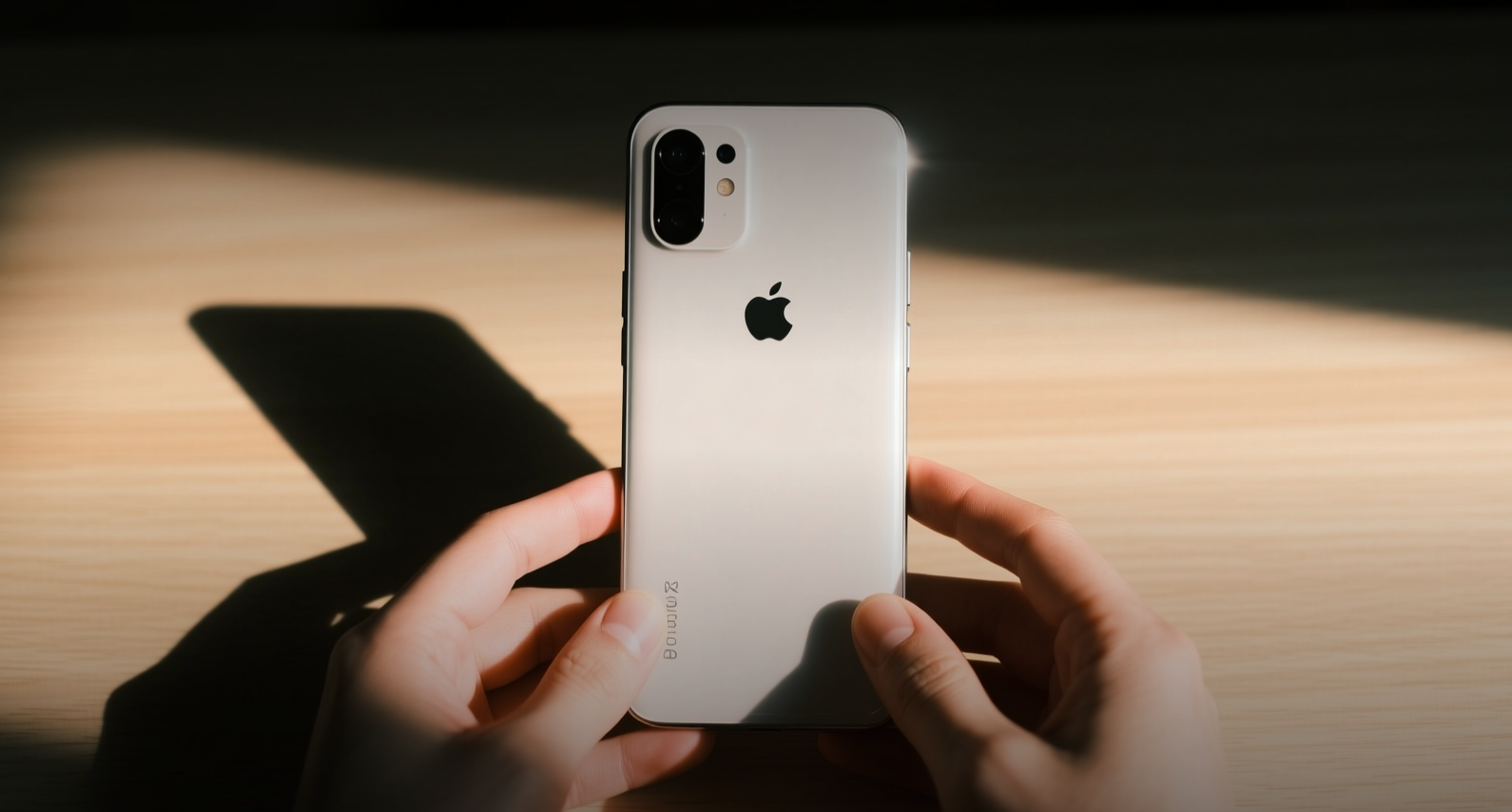
Google raised prices across its Pixel 11 smartphone lineup by $100 as a global memory shortage pushed component costs higher, the clearest sign yet that AI-driven demand for chips is reaching consumer electronics.
The increases follow a surge in mobile memory costs. TrendForce estimated that LPDDR5X mobile memory contract prices jumped 78 percent to 83 percent quarter-on-quarter in the second quarter of 2026, while the cost of an 8GB RAM and 256GB storage configuration rose close to 200 percent year-on-year.
The Pixel 11, unveiled August 12, starts at $899, up from $799 for the previous generation, with the Pixel 11 Pro at $1,099 and the Pro XL at $1,299. The Pixel 11 Pro Fold also rose $100 to $1,899. All three base models now start at 256GB of storage, up from 128GB, softening the effective price increase. Google also cut RAM on the Pro models to 12GB from 16GB and removed the body-temperature sensor in favor of an LED-based "Highlight" notification feature.
Alphabet shares gave up early gains and slipped about 0.2 percent on Wednesday even as the broader Nasdaq rose, as investors weighed whether higher prices will damp demand for Google's hardware. The memory crunch, however, is a tailwind for chip makers Samsung, SK hynix and Micron, which are shifting production toward higher-margin AI hardware.
AI data centers consume vast amounts of high-bandwidth memory, server DRAM and enterprise storage, prompting Samsung, SK hynix and Micron to redirect capacity toward those higher-margin products. That has left smartphone makers competing for a shrinking pool of mobile memory, pushing LPDDR5X contract prices to levels not seen in nearly two decades.
Apple has responded similarly, raising product prices as memory costs surged on AI demand, according to reports. The trend suggests Google is unlikely to be the last smartphone vendor forced to choose between higher prices and thinner margins. For consumers, the memory crunch reverses two decades of steadily falling RAM prices, with component costs now a meaningful share of a phone's bill of materials.
Alphabet shares initially rose about 0.6 percent at Wednesday's open, briefly approaching a 1 percent gain, before reversing to fall about 0.2 percent. There is no evidence that Pixel 11 reviews drove the decline, but the reversal came as Google asked consumers to pay more for phones whose biggest improvements increasingly come from software and AI rather than new hardware.
The Pixel 11 ships with Google's new Tensor G6 processor and Gemini Nano, which the company says performs on-device AI tasks 3.5 times faster while consuming less power. The standard model gains a 56 percent larger main camera sensor and faster 25W wireless charging, while the Pro gets a brighter display and a 30 percent larger telephoto sensor.
For investors, the question is whether elevated memory prices become a broader consumer problem. If component costs stay high, Alphabet's hardware division faces margin pressure even as its AI investments in data centers and cloud infrastructure accelerate. Memory makers, by contrast, gain pricing power that should flow through to earnings in coming quarters, making the shortage a rare bright spot for the semiconductor supply chain.
This article is for informational purposes only and does not constitute investment advice.
