

- 谷歌在 I/O 2026 大会上发起了重大的 AI 攻势,推出了七款全新的 Gemini 语音模型和名为 Gemini Omni 的新型视频生成工具。
- 据报道,新型中阶模型 Gemini 3.2 Flash 的推理成本降低了 15 至 20 倍,但在编程和推理任务中的表现达到了 GPT-5.5 的 92%。
- 这些发布是谷歌将智能体 AI 嵌入其生态系统更广泛战略的一部分,包括全新的 Aluminium OS 和 Android XR 智能眼镜。
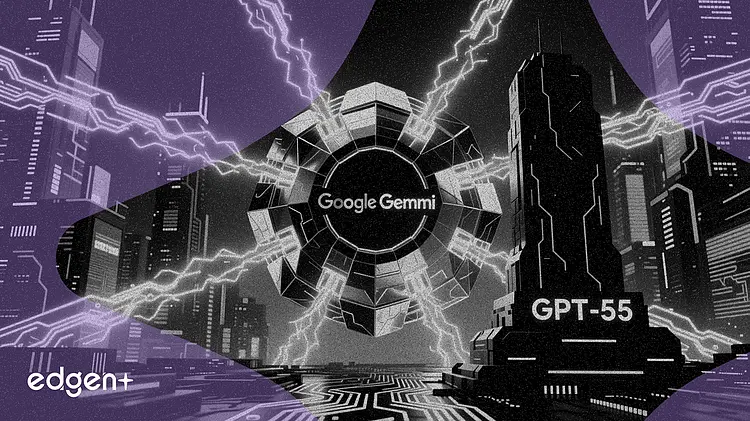
(P1) Alphabet 旗下的谷歌向竞争对手 OpenAI 和 Anthropic 发起了迄今为止最直接的一击。在 I/O 2026 开发者大会上,谷歌推出了一系列更强大且更具成本效益的 Gemini 模型,旨在夺回 AI 竞赛中的领导地位。此次发布的举措涵盖了七个全新的语音模型和一款名为 Gemini Omni 的视频编辑工具,标志着谷歌战略重点转向将推理成本降低高达 20 倍,同时使其模型性能逼近 GPT-5.5 等尖端模型。
(P2) Abacus.AI 首席执行官 Bindu Reddy 在 X 上发帖称:“传闻中的基准测试显示,该模型在编码和推理任务上达到了 GPT-5.5 性能的 92%,而推理成本却便宜了 15 至 20 倍。”她指的是尚未正式发布的 Gemini 3.2 Flash 模型。这种对“性价比”的关注,配合低于 200 毫秒的延迟,是对目前主导市场的高端昂贵模型的直接挑战。
(P3) 由首席执行官桑达尔·皮查伊(Sundar Pichai)主持的主旨演讲详细介绍了多战线的 AI 扩张。据《福布斯》报道,活动前的传闻随着七款新型 Gemini Live 语音模型的揭晓而得到证实。另外,一款名为 Gemini Omni 的新型视频工具也浮出水面,它能够重新剪辑视频并进行基于模板的创作,尽管早期用户反映其计算成本较高。然而,核心焦点仍然是全新的 Gemini 3.2 Flash 模型,MindStudio 的分析表明,其能力将介于 GPT-5.5 和 Anthropic 的 Claude Mythos 之间。
(P4) 对于投资者而言,该战略似乎是对 AI 普及主要障碍——成本——的一次精准打击。通过激进地降低接近尖端性能模型的价格,谷歌 (GOOGL) 可能会加速 Gemini 在其自身产品以及企业客户中的部署,从而有可能从微软支持的 OpenAI 手中夺取更广阔的市场。此举给竞争对手带来了优化自身模型的压力,可能触发基于效率而非纯粹算力的竞争新阶段。
谷歌的发布内容远不止模型本身,还揭示了一项将 AI 织入其整个产品线的计划。运行在名为 Aluminium OS 的 Android 与 ChromeOS 融合平台上的新一类“Googlebook”笔记本电脑将配备 Magic Pointer 等 AI 驱动工具,可提供上下文操作建议。包括宏碁 (Acer)、华硕 (ASUS) 和联想 (Lenovo) 在内的合作伙伴将于今年秋季发布首批设备。
这种深度集成由 Gemini Intelligence 提供支持,这是一种主动型 AI 层,旨在处理跨用户应用程序的多步骤任务。该系统已于 5 月 12 日在 Android 秀上进行了预演,将于今年夏天首先在三星 Galaxy 和 Pixel 设备上推出。其目标是将 AI 从独立的应用程序转变为嵌入操作系统的自主智能体,能够完成诸如在 Gmail 中查找教学大纲并将所需书籍添加到购物车而无需用户手动输入等任务。
硬件领域的雄心在两款 Android XR 智能眼镜模型的预热中得到了进一步展示,这两款产品是与合作伙伴三星和 Warby Parker 共同打造的。其中一个版本专注于通过摄像头和麦克风进行免提 Gemini 互动,类似于 Meta 的 Ray-Ban 眼镜。第二个更先进的模型包含镜片内显示屏,用于显示翻译直播等私密信息,这一功能对无障碍环境和语言学习具有重要意义。
本文仅供参考,不构成投资建议。
