
主なハイライト
- 原油価格が1バレル100ドルを突破する中、ヘッジファンドは原油への直接投資によるボラティリティを避け、エネルギーの代替として大豆油とトウモロコシの先物を購入している。
- この取引は、米国やアジアの政府政策とホルムズ海峡からの肥料供給の逼迫に支えられた、バイオ燃料需要の増加を見込んだものである。
- 市場ポジションの推移(CFTCデータ):
- 大豆油: 買い越しポジションがほぼ3倍に増加。
- トウモロコシ: 売り越しから、今年最大の買い越しへと転換。
主なハイライト
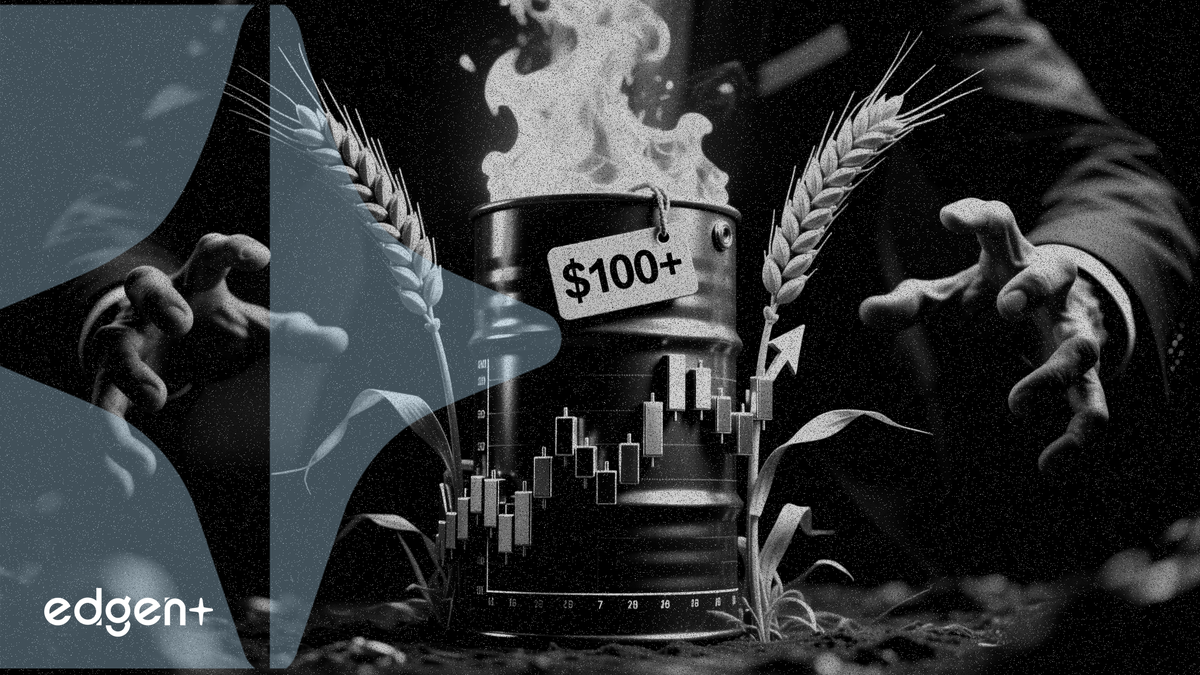
ヘッジファンドが農業市場に資金を投じており、中東紛争開始以来の買い越しポジションがほぼ3倍に増加したことで、大豆油先物は23%急騰した。原油価格が1バレル100ドルを突破したことを受け、この動きにより農産物がエネルギー市場の主要な代替手段としての地位を確立した。
ニューバーガー・バーマンのポートフォリオ・マネージャー、ハカン・カヤ氏は「エネルギー市場を見れば、それはほとんど二者択一の賭けだ」と語る。「しかし、一つ確かなことがある。エネルギー価格がこれほど高い水準にとどまれば、それは農業セクター全体に波及するだろう」
ポジションのシフトは劇的だった。米商品先物取引委員会(CFTC)の最新データによると、ファンドはトウモロコシの売り越しポジションから、今年最大の買い越しへと転換した。これは、米国産トウモロコシの約40%がすでにエタノール生産に使用されている中で起きている。バイオディーゼルの主要原料である大豆油では、RCMAキャピタルのダグ・キング氏が、買い越しの蓄積を「鉄砲水」と表現した。
この取引の核心は、不安定な石油供給ラインへの対応として、政府が支援するバイオ燃料需要の急増を見込んだものである。世界の窒素肥料輸出の約3分の1を担う重要航路であるホルムズ海峡がほぼ封鎖状態にある中、国連は燃料や肥料のコスト上昇により、より多くの作物がエネルギー生産に転用されれば、世界的な食糧危機を招く恐れがあると警告している。
農産物先物への移行は、不安定な石油輸入への依存を減らそうとする政府からの明確な政策シグナルに支えられている。米国では、政府がエタノール含有量の高いガソリン混合燃料「E15」へのアクセスを拡大し、米国の農家を支援している。
アジアからもさらなる需要が見込まれている。インドネシアは7月に50%のバイオディーゼル混合義務化の実施を準備しており、マレーシアは現在のB10基準を超える国家義務化の引き上げを議論している。
世界最大級の農産物商社であるアーチャー・ダニエルズ・ミッドランドは先週、大豆の搾油およびエタノールのマージンが「大幅に改善」したと指摘した。フアン・ルシアーノCEOは、この好調の要因を米国のバイオ燃料義務化の厳格化と、ホルムズ情勢に伴う大豆不足の市場予測にあるとした。
石油の急騰に比べればトウモロコシ価格の上昇は6%と比較的緩やかだが、ニューバーガー・バーマンのカヤ氏のような投資家は、トウモロコシや大豆油などの農産物の「代替バスケット」を利用することで、原油の直接的なニュースリスクを避けつつ、エネルギー・インフレの波及効果を取り込もうとしている。
カヤ氏は、軍事的緊張の激化や停戦交渉に伴う極端なボラティリティを理由に、石油・ガス資産への直接的なエクスポージャーを積極的に削減したと述べた。
しかし、この戦略にはリスクも伴う。国連食糧農業機関(FAO)は、より多くの作物をエネルギー用途に転用することが食糧供給を逼迫させる可能性があると警鐘を鳴らしている。
「食糧ではなくエネルギーのために作物が使われるようになれば、私たちは間違いなく食糧危機に向かうことになるだろう」とカヤ氏は語った。
この記事は情報提供のみを目的としており、投資アドバイスを構成するものではありません。
