
Eight ships crossed the Strait of Hormuz on Aug. 4 — a fraction of the 130-140 that passed daily before the war.
Eight ships crossed the Strait of Hormuz on Aug. 4 — a fraction of the 130-140 that passed daily before the war.
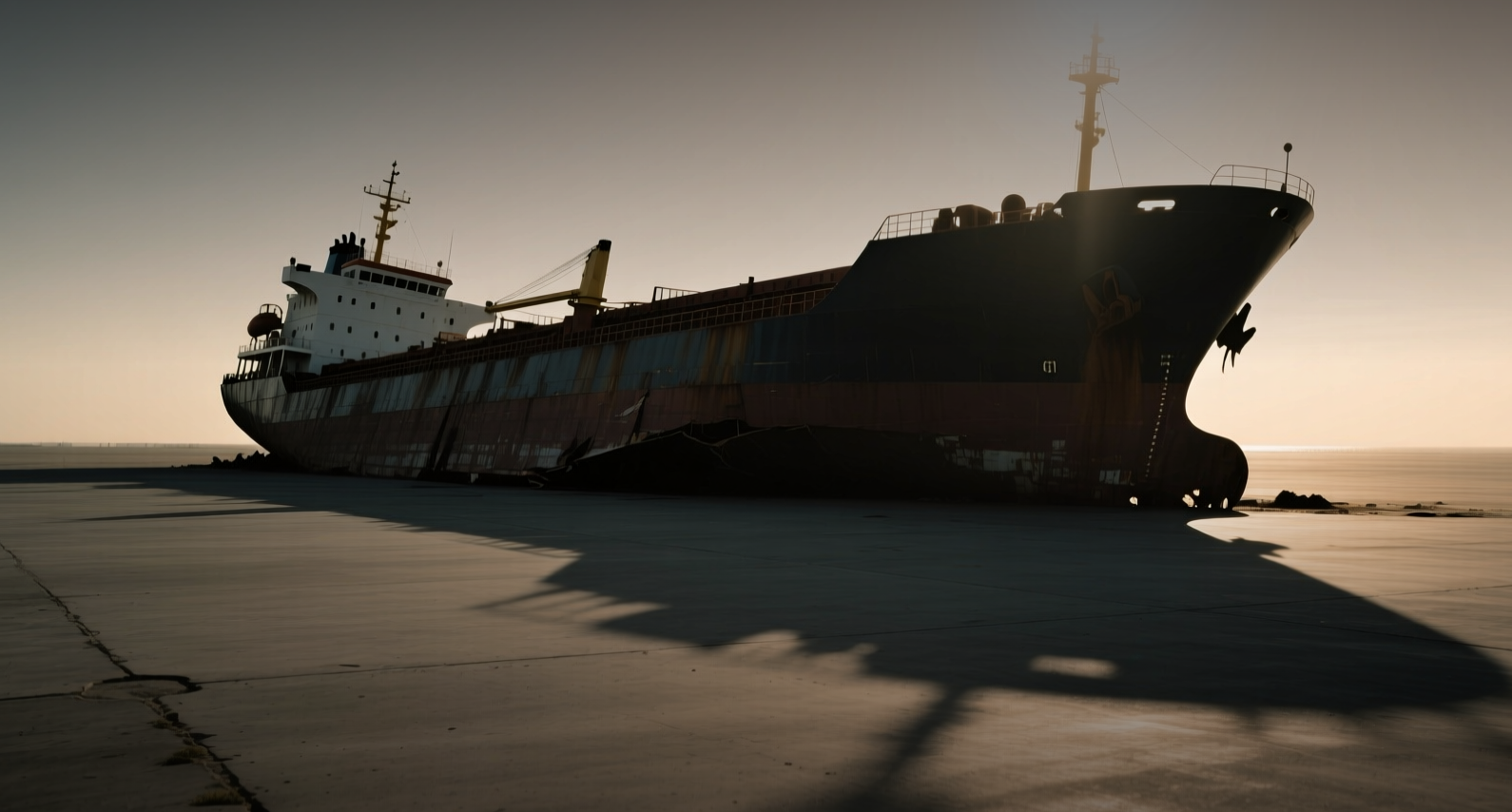
The Strait of Hormuz moved from near-total halt to a low-level recovery, with just eight vessels transiting Aug. 4 against a pre-conflict average of 130-140 ships daily, Reuters reported, citing Kpler ship-tracking data.
"The recent rise in oil prices has been driven by the Strait blockade. If Trump is prepared to extend the blockade, supply disruptions would worsen further and continue to push oil prices higher," said Yang An, an analyst at Haitong Futures.
The eight transits — five tankers and three bulk carriers — were roughly flat from the prior day, leaving commercial shipping volumes far below normal. Brent crude for June delivery rose 3 percent to $114.59 a barrel Wednesday, its eighth straight gain, while West Texas Intermediate climbed 3.6 percent to $103.48, after the Wall Street Journal reported President Donald Trump had instructed aides to prepare for an extended blockade of Iranian ports.
The chokepoint carries roughly 20 percent of global seaborne oil and a similar share of LNG, so the pace of its reopening sets the floor under crude prices and the cost of energy supply security for importers across Asia and Europe. A draft US-Iran deal is circulating among international stakeholders, according to Qatari mediators, but until transit counts climb toward the 60-vessel threshold that Kalshi's settlement rule defines as normal, the market faces continued uncertainty.
The recovery is real but shallow. Kpler's data shows the strait has climbed off the near-zero levels of early March, when the IRGC confirmed a closure after US-Israeli airstrikes on Iran began Feb. 28 and traffic fell roughly 70 percent to about six ships a day. Yet the current eight-vessel count remains about 94 percent below the pre-war norm, and four announced de-escalations this year — a ceasefire April 8, an Iranian reopening announcement April 17, the Trump-Pezeshkian "Islamabad Memorandum" June 17, and an interim truce that broke down July 8 — have each failed to restore shipping.
The market is pricing a slow, months-out recovery. Kalshi's deadline ladder on Hormuz normalization, which settles on the IMF PortWatch seven-day moving average of transit calls climbing above 60, prices a 45 percent chance of that happening before Jan. 1, 2027, and 65 percent before July 1, 2027. The near-term rungs trade near zero — 8 cents before Sept. 1 — because even an immediate, durable deal cannot rebuild a sixfold traffic recovery within weeks. War-risk insurance premiums, rerouted tonnage, and crew confidence all recover slowly, and after repeated head-fakes shippers demand a proven quiet stretch before returning.
The diplomatic picture is contested. Over the Aug. 1-3 weekend, Trump said he called off a planned strike citing an imminent deal, and described a two-phase framework in which reopening the strait precedes denuclearization. Iran publicly disputed that talks were even scheduled. A draft agreement is now circulating among international stakeholders, according to Qatari mediators, with Iranian and Omani officials reporting "positive" progress on maritime navigation talks.
The last time the strait was disrupted, in 2019 after attacks on tankers, Brent spiked before retreating within weeks as traffic resumed. This disruption is deeper and longer. Brent has already climbed to $114.59, and Abu Dhabi National Oil Co. has notified some customers they could load crude grades outside the Gulf next month as the strait remains closed. The UAE's surprise exit from OPEC+ formalizes weaker cohesion, but ING analysts wrote that a resolution allowing uninhibited energy flows through Hormuz must come before the UAE's output increase can take effect.
For importers, the stakes are direct. Japan, South Korea, and India rely on the strait for the bulk of their crude imports, and sustained closure forces them to pay higher freight and insurance premiums on longer alternative routes. The Kalshi market's 45 percent read on normalization by January, and a panel of six AI models that priced it near 35 percent, both point the same direction: not soon, not never, and gated on a traffic count that has not yet turned.
This article is for informational purposes only and does not constitute investment advice.
