
Intel Chief Executive Lip-Bu Tan bought $10 million of company stock at $95 a share on Aug. 11, and shares now trade below that price. The discretionary purchase, disclosed via SEC Form 4, is Tan's second since taking the top job in March 2025.
Intel Chief Executive Lip-Bu Tan bought $10 million of company stock at $95 a share on Aug. 11, and shares now trade below that price. The discretionary purchase, disclosed via SEC Form 4, is Tan's second since taking the top job in March 2025.
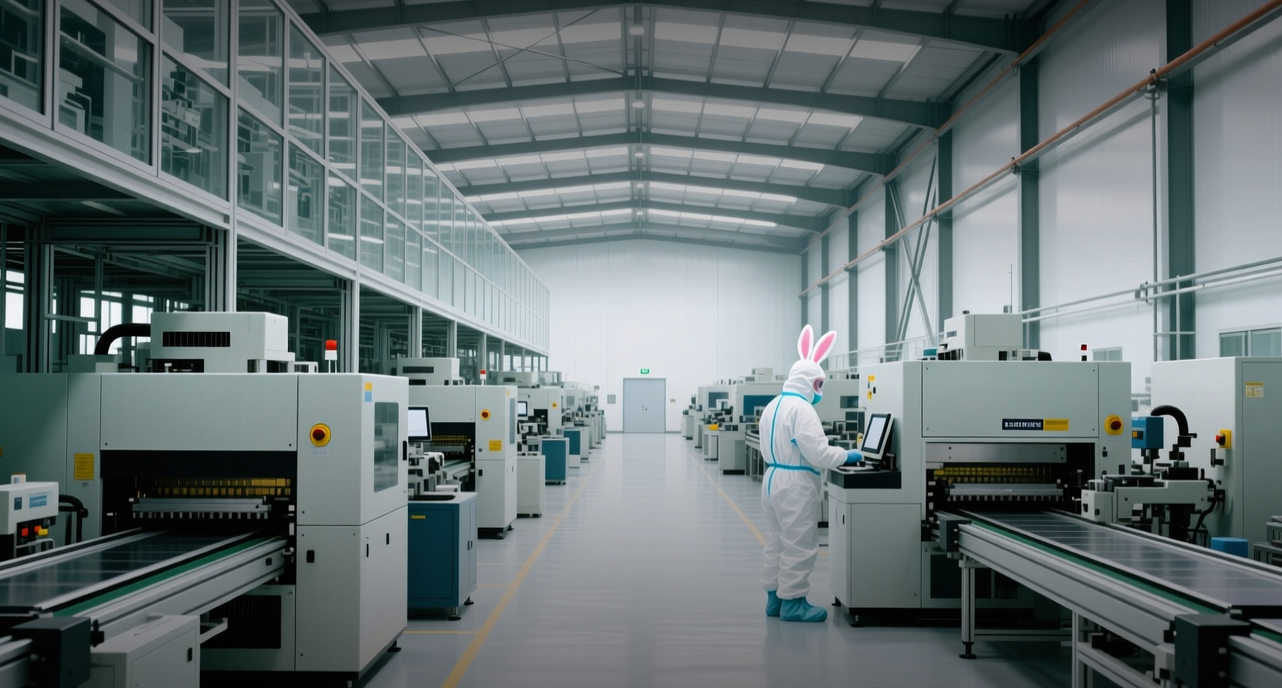
Intel Chief Executive Lip-Bu Tan bought $10 million of stock at $95 a share on Aug. 11; shares now trade below that price.
"Strong demand for our products continue to outpace our growing supply," Tan told analysts on the Q2 earnings call, as the company lifted 2026 capital spending to more than $20 billion.
Tan acquired 105,263 shares through a family trust at $95.00 per share, disclosed via SEC Form 4 filed Aug. 13-14. The purchase came one day after Intel announced and upsized a $20 billion equity offering at the same price to fund AI chip manufacturing expansion. His beneficial ownership after the transaction stands at roughly 1.3 million shares, worth more than $130 million at current prices.
The purchase is Tan's second deliberate buy since taking the top job, following a reported $25 million purchase in March 2025. Intel's stock traded at $93.05 as of 9:57 a.m. ET on Aug. 28, down from the $95.00 purchase price, though shares remain up 149.57 percent year to date and 270.58 percent over the trailing year through Aug. 27.
Intel's Q2 revenue reached $16.1 billion, up 25 percent year over year, with Data Center and AI revenue climbing 59 percent to $6.3 billion. AI-driven businesses grew more than 70 percent year over year and contributed roughly 70 percent of revenue. The company guided Q3 revenue to $15.8 billion to $16.8 billion.
The turnaround narrative solidified in April when Intel struck foundry partnerships with Tesla and Alphabet. The server CPU market is projected to grow from $61.4 billion in 2026 to $210.6 billion by 2030, driven substantially by AI demand.
The hardest part of the story remains Intel Foundry, which posted a $2.1 billion operating loss in Q2 despite revenue of $5.76 billion, up 31 percent. Concerns about the 18A process node timeline and competitive pressure from AMD in data center have weighed on the stock's pullback from its all-time high of $142.35 on June 22.
Former House Speaker Nancy Pelosi also added to her Intel position in July, purchasing 10,000 shares and 50 call options with a $50 strike expiring June 17, 2027, according to a Periodic Transaction Report.
The insider buying pattern from Tan and Pelosi suggests conviction in the AI-driven turnaround. Investors will watch the Q3 earnings report against the $16.3 billion midpoint, whether Intel Foundry narrows its quarterly operating loss, and any named external customer commitment on the 14A node, where risk production for internal products remains scheduled for the second half of 2027.
This article is for informational purposes only and does not constitute investment advice.
