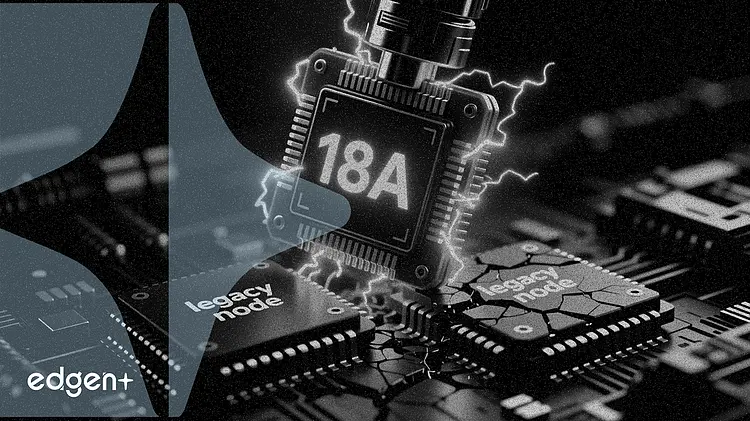
Intel Corp. is urging PC manufacturers to accelerate the adoption of its new 18A processors, a strategic pivot that will tighten supply for chips built on older process nodes, according to a Nikkei Asia report. The move is designed to steer computer makers toward higher-margin systems and improve utilization of Intel’s most advanced manufacturing lines.
In response to the report, Intel said that its Core Series 3 processors produced using the 18A technology are critical to its customer strategy. The company added that output can be ramped up rapidly and at scale, delivering modern performance and AI-enabled capabilities for partners.
The strategy directly affects supply for some of the company’s most popular recent processors. Intel has informed customers that certain older chip models based on its Intel 7 node, such as the 12th to 14th generation Core processors, are unlikely to receive additional supply allocations. The same constraints apply to chips manufactured externally by Taiwan Semiconductor Manufacturing Co., including the upcoming Arrow Lake and Lunar Lake processors, which face heavy demand for TSMC’s production capacity.
This shift is a calculated gamble to improve profitability and assert manufacturing leadership. By prioritizing its 18A capacity for consumer chips like the forthcoming Panther Lake and Wildcat Lake, Intel can increase the average selling price of its client processors. The company is reportedly encouraging OEMs to pair the new 18A chips with more premium components, creating higher-end systems. Meanwhile, the constrained Intel 7 and Intel 4/3 process capacity will be allocated to higher-priority server and industrial chips, which command strong margins.
For investors, this strategy signals Intel's commitment to ramping its 18A process, a key part of its plan to retake foundry leadership from TSMC. If successful, the focus on high-end consumer chips could bolster revenue and margins for its client computing group. However, the move also carries risk. Limiting the supply of popular, cost-effective older chips could frustrate PC partners and push them toward alternatives from competitors like Advanced Micro Devices Inc. if the 18A transition is not seamless or cost-effective.
This article is for informational purposes only and does not constitute investment advice.