
La acusación de Teherán marca una fuerte escalada con su vecino del Golfo, pocos días después de que Kuwait detuviera a cuatro presuntos operativos iraníes cerca de un proyecto portuario estratégico.
La acusación de Teherán marca una fuerte escalada con su vecino del Golfo, pocos días después de que Kuwait detuviera a cuatro presuntos operativos iraníes cerca de un proyecto portuario estratégico.
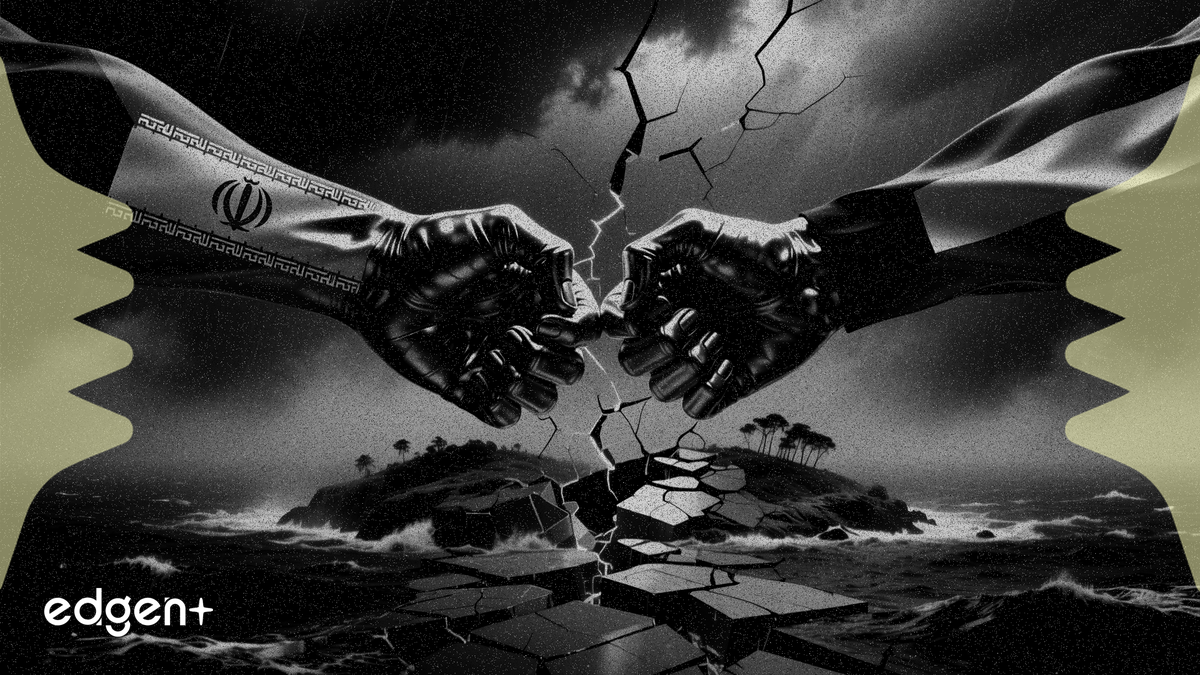
Irán acusó el martes a Kuwait de atacar ilegalmente uno de sus barcos, tomando represalias pocos días después de que las autoridades kuwaitíes arrestaran a cuatro presuntos miembros del Cuerpo de la Guardia Revolucionaria Islámica. La medida agrava drásticamente las tensiones entre los vecinos del Golfo y amenaza con desestabilizar aún más la región mientras se mantiene un frágil alto el fuego entre Estados Unidos e Irán.
El estancamiento se produce mientras Washington mantiene su postura de línea dura, con el presidente Donald Trump amenazando a Irán antes de una cumbre con el presidente chino, Xi Jinping. "Tenemos a Irán muy bajo control", dijo Trump antes de partir hacia Pekín. "O vamos a llegar a un acuerdo o van a ser diezmados. De una forma u otra, ganamos".
Funcionarios kuwaitíes dijeron que los cuatro sospechosos fueron detenidos en un barco de pesca alquilado para "acciones hostiles" después de que intentaran infiltrarse en la isla de Bubiyan, hiriendo a un soldado kuwaití. La isla alberga el puerto Mubarak Al Kabeer, un importante proyecto de infraestructura que se está desarrollando con inversión china. Irán ha rechazado la acusación y condenado el arresto de sus ciudadanos.
El incidente pone de relieve el creciente riesgo para la seguridad marítima y los envíos de energía en el Golfo Pérsico. El Estrecho de Ormuz, un punto crítico para una parte significativa del petróleo mundial, permanece bajo un estricto control iraní, mientras que un bloqueo naval estadounidense ha detenido efectivamente la mayoría de las exportaciones de Irán, contribuyendo a un aumento de los precios mundiales de la energía.
La disputa directa entre Irán y Kuwait es un punto de ignición en un conflicto mucho más amplio que ha hervido a fuego lento durante más de dos meses. Un alto el fuego entre EE. UU. e Irán permanece con "soporte vital", según Trump, tras una serie de intercambios militares directos. El secretario de Defensa de EE. UU., Pete Hegseth, dijo a los legisladores que la guerra le ha costado a Washington al menos 29.000 millones de dólares en 74 días, sin incluir los daños a las bases.
A pesar de una pausa en las principales operaciones estadounidenses para permitir negociaciones, las fuerzas iraníes han continuado con lo que los funcionarios estadounidenses consideran ataques de "bajo nivel". Estos incluyen fuego de misiles y drones contra destructores estadounidenses en el Estrecho de Ormuz y un ataque al puerto de Fujairah en los Emiratos Árabes Unidos. La continua fricción ha llevado a aliados como Arabia Saudita y Kuwait a restringir temporalmente el acceso de EE. UU. a su espacio aéreo para operaciones militares, según un alto funcionario estadounidense, aunque se informó que la decisión fue revertida.
Las ondas económicas y geopolíticas del conflicto se están expandiendo, atrayendo cada vez más a China, un comprador principal de crudo iraní. Un petrolero de propiedad china fue alcanzado cerca del Estrecho de Ormuz la semana pasada, el primer incidente de este tipo desde que comenzó el conflicto. Pekín también ha ordenado a sus empresas que ignoren las sanciones estadounidenses al petróleo iraní, desafiando a Washington a hacerlas cumplir.
El incidente de la isla de Bubiyan involucra directamente los intereses chinos, ya que el puerto es un componente de su plan global de infraestructura. El presidente Trump confirmó que, si bien el comercio es el enfoque principal de sus próximas conversaciones con el presidente Xi, también tendrían una "larga charla" sobre Irán, donde los intereses económicos y estratégicos de Pekín están ahora directamente en riesgo.
Este artículo es solo para fines informativos y no constituye asesoramiento de inversión.
