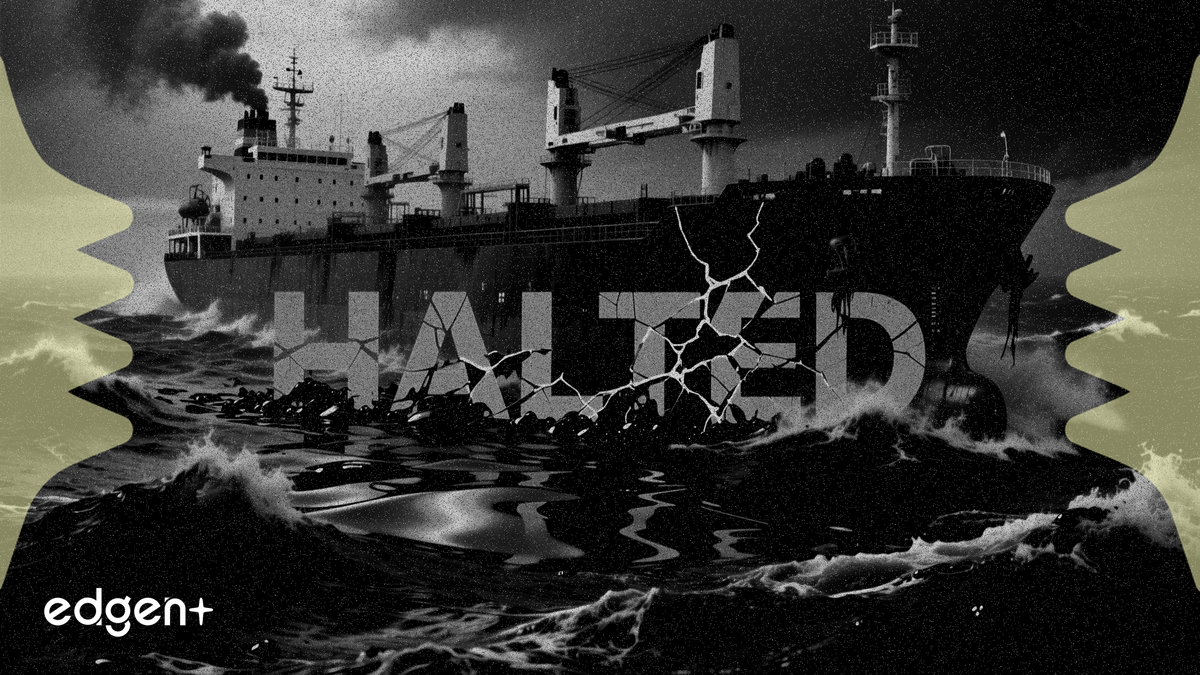
Un arrêt de plusieurs jours des chargements de pétrole au principal terminal d'exportation de l'Iran serait désormais causé par une marée noire, remettant en cause les hypothèses initiales d'un arrêt lié au blocus.
Un arrêt complet des chargements de pétrole brut depuis l'île de Kharg en Iran se prolonge depuis au moins huit jours, une perturbation que les observateurs maritimes attribuent à une potentielle marée noire plutôt qu'au blocus naval américain en cours dans la région.
« Il y a eu une pause de plusieurs jours dans le chargement des grands pétroliers de haute mer depuis l'installation », a déclaré Samir Madani, cofondateur de TankerTrackers.com, notant que sa firme n'avait observé aucune collecte de cargaison par de grands pétroliers vendredi.
La société de renseignement maritime Windward corrobore cet arrêt, signalant qu'aucun départ de brut n'a été confirmé depuis l'île de Kharg depuis le 7 mai. L'analyse des images satellites de la firme montre que tous les terminaux de chargement étaient vides pendant trois jours consécutifs, bien qu'environ 20 pétroliers, d'une capacité de transport combinée de plus de 25 millions de barils, soient restés positionnés dans les zones d'attente près de l'île.
La perturbation au terminal d'exportation le plus critique de l'Iran tend l'offre mondiale de pétrole à un moment où un blocus américain cible déjà les expéditions de la nation. L'incident souligne la vulnérabilité des infrastructures d'exportation de l'Iran et sa dépendance croissante à l'égard d'un système complexe et clandestin pour acheminer son brut.
Ormuz devient une zone contrôlée
L'arrêt des chargements à l'île de Kharg survient alors que l'Iran réorganise sa logistique maritime en réponse à la pression intense des États-Unis. Selon Windward, des parties importantes du détroit d'Ormuz « fonctionnent de plus en plus comme des zones d'opérations maritimes contrôlées » plutôt que comme des couloirs commerciaux normaux. Cela implique un réseau croissant de pétroliers « sombres » — des navires dont les transpondeurs AIS sont désactivés — ancrés dans les eaux iraniennes protégées près des îles Larak et Qeshm.
Ces zones servent de bases pour des transferts clandestins de navire à navire, permettant à l'Iran de mélanger et de réétiqueter son brut à l'abri des regards indiscrets. La stratégie est soutenue par une présence intensifiée de patrouilleurs du Corps des gardiens de la révolution islamique (CGRI), qui escortent et surveillent les navires commerciaux stationnaires, créant ainsi un écosystème protégé pour l'évasion des sanctions.
La tromperie et l'évasion persistent
Le blocus américain, qui a débuté à la mi-avril et a intercepté plus de 70 navires, a forcé la flotte iranienne et ses clients à employer une gamme de tactiques trompeuses. Selon une analyse des données d'expédition du New York Times, il y a eu une augmentation de 600 % des navires utilisant de telles tactiques entre le 19 avril et le 3 mai.
Les navires éteignent régulièrement leurs traceurs de position, « spoofent » leurs positions pour apparaître à différents endroits et empruntent des routes plus longues et inhabituelles vers l'Asie. Le pétrolier sous pavillon iranien Huge, par exemple, a navigué avec son traceur éteint et a transité par le détroit de Lombok en Indonésie, une route moins courante que le détroit de Malacca, pour réduire sa visibilité sur son chemin vers la Chine. Ce jeu du chat et de la souris démontre jusqu'où les transporteurs sont prêts à aller pour acheminer le pétrole iranien, même si l'infrastructure physique à la source montre des signes de faiblesse.
Les pressions duales des perturbations opérationnelles directes, comme la marée noire suspectée à l'île de Kharg, et le blocus stratégique global testent sévèrement les capacités d'exportation de l'Iran. Alors que Téhéran a développé un système sophistiqué pour contourner les sanctions, la dépendance à l'égard d'infrastructures vieillissantes et d'une flotte fantôme crée de multiples points de défaillance qui peuvent impacter les marchés mondiaux de l'énergie sans avertissement.
Cet article est à titre informatif uniquement et ne constitue pas un conseil en investissement.