
Iran's decision to remove the nuclear file from negotiations with the US threatens to unravel months of diplomatic efforts and inject a fresh risk premium into global oil markets.
Iran's decision to remove the nuclear file from negotiations with the US threatens to unravel months of diplomatic efforts and inject a fresh risk premium into global oil markets.
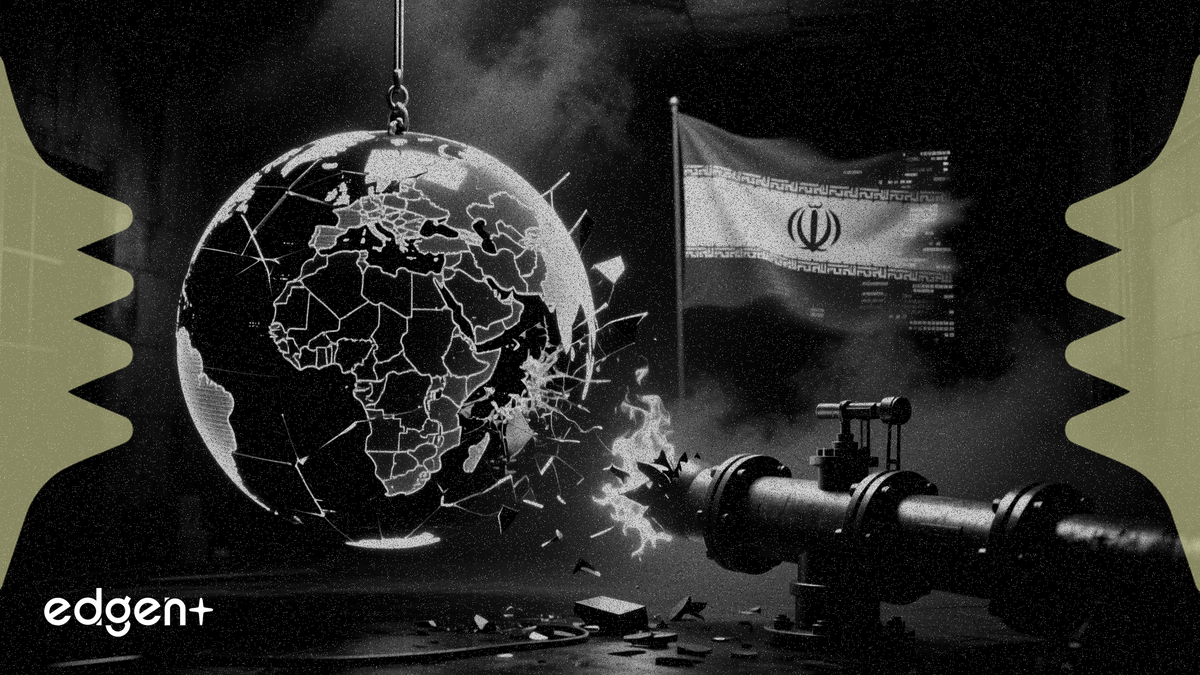
Iran has removed the nuclear issue from the negotiating table with the United States, a senior lawmaker said, signaling a collapse in talks that threatens to push crude prices higher and deepen Middle East instability.
"The nuclear issue has been removed from the negotiating table; no final agreement has been reached yet," said Esmail Kowsari, a member of Iran's National Security and Foreign Policy Committee, according to the Iranian Student News Agency on Sunday.
The statement follows parallel comments from Parliament Speaker Mohammad Bagher Ghalibaf, who said no deal would be signed until Iranian rights are secured. US Defense Secretary Pete Hegseth said Friday that negotiations were "moving the US way" while keeping the military option available, underscoring the wide gap between the two sides.
The breakdown carries immediate consequences for energy markets. The Strait of Hormuz handles about 21 percent of globally traded oil, and any disruption to shipping in the waterway could send Brent crude above $80 a barrel. The last time US-Iran nuclear talks collapsed — in 2019 after the Trump administration withdrew from the Joint Comprehensive Plan of Action — Brent surged 23 percent over three months, from $57 to $70 a barrel, while gold gained 8 percent as investors rotated into safe-haven assets.
Oil at the Center of the Risk Calculus
Iran's position along the Persian Gulf and its proximity to the Strait of Hormuz give it outsized influence over global energy supply chains. About 20 million barrels of oil pass through the strait daily, equal to roughly a fifth of global consumption, according to the US Energy Information Administration. Any escalation involving Iranian military assets or retaliatory actions against shipping would immediately tighten physical supply just as OPEC+ is already restraining output.
The risk premium embedded in crude options has already begun to widen. Brent crude's implied volatility — measured by the 30-day at-the-money option skew — has risen over the past week as traders priced in a higher probability of supply disruption, according to exchange data. West Texas Intermediate crude traded near $73 a barrel in early Asian hours Monday, with Brent around $77.
A Region in Simultaneous Crisis
The Iran nuclear impasse comes as Israel deepens its military operations in Lebanon. Israeli forces captured the strategic Beaufort castle in southern Lebanon over the weekend, with Prime Minister Benjamin Netanyahu calling it a "dramatic shift" in the campaign against Hezbollah. France has requested an emergency UN Security Council meeting over the incursion, while the US is expected to pursue a separate ceasefire track in Washington this week.
The convergence of the Iran nuclear breakdown and the Lebanon escalation creates a multi-front crisis that complicates diplomatic resolution. "The more land they can grab before the ceasefire, the more they can impose conditions on Hezbollah," said Joe Macaron, a Beirut-based geopolitical analyst at the Carnegie Middle East Center, referring to Israel's expanded operation.
For investors, the dual shocks raise the prospect of sustained energy price elevation at a time when global inflation is already a concern for central banks. Higher oil prices feed directly into transportation and manufacturing costs, potentially delaying rate cuts that markets have been pricing for the second half of 2026. The US dollar index held near 104.5 Monday, while gold traded above $2,350 an ounce, reflecting continued demand for havens.
What happens next depends on whether diplomatic channels can be revived. Iran's Kowsari offered no timeline for a return to talks, and the US has not publicly proposed a new framework. With both sides entrenched and military options on the table, the risk of miscalculation — and a further spike in the oil risk premium — remains elevated.
This article is for informational purposes only and does not constitute investment advice.
