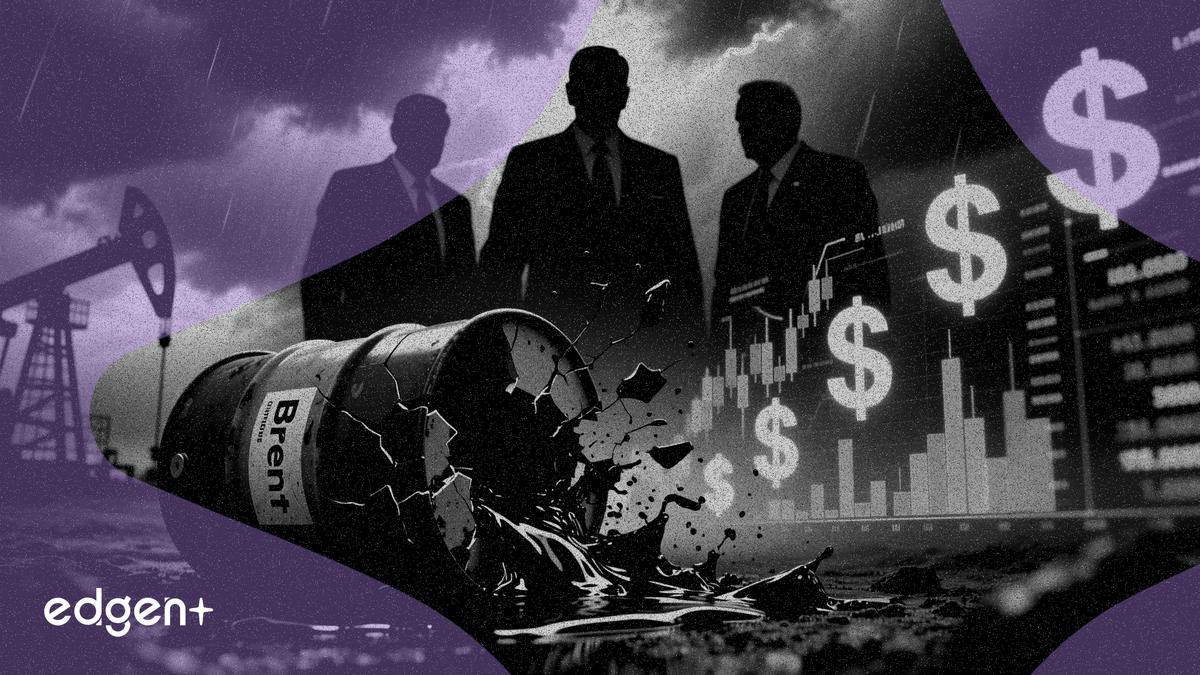
Tehran's insistence on the removal of oil sanctions as a precondition for negotiations has sent a fresh wave of uncertainty through global energy markets, complicating an already-fraught geopolitical landscape.
(P1) Iran's demand for the US to revoke oil sanctions has introduced fresh volatility into global energy markets, pushing Brent crude past $100 a barrel and complicating the strategic calculus for both Washington and Beijing ahead of a critical presidential summit. The move, reported by Iranian state media, ties the fate of nuclear talks directly to the flow of oil, a high-stakes gamble that leverages the world's dependence on energy to force a breakthrough in the long-running standoff.
(P2) "This is a calculated move by Tehran to test the resolve of the US and its allies, effectively turning oil into a primary negotiating tool," said Matt Smith, an oil analyst at analytics firm Kpler. "With global markets already tight, any disruption, or even the threat of one, has an immediate and pronounced impact on prices."
(P3) The market reaction was swift, with Brent crude, the global benchmark, jumping 3.5 percent to $101.50 a barrel, its highest level in three weeks. The surge adds to the inflationary pressures facing the Trump administration, with the national average for a gallon of gasoline at $4.53, up from $2.98 before the conflict with Iran began. The US, despite being the world's top oil producer at a record 13.6 million barrels per day in 2025, is not immune to the global price shocks, importing 6.5 million barrels of crude daily to feed its refineries.
(P4) The timing of Iran's demand is particularly acute, coming just before President Trump is expected to meet with Chinese President Xi Jinping in Beijing. The standoff over Iranian oil is now inextricably linked to the broader US-China strategic competition. Washington's goal of isolating Iran and controlling global oil markets is colliding with Beijing's need to secure energy resources to fuel its economy. For China, Iran is not an ideological ally but a pragmatic source of crude that helps it weather American pressure.
The high-stakes maneuvering is not lost on the Trump administration, which is reportedly considering a "nuclear option" of limiting US oil exports to bring down domestic gas prices. While such a move could offer short-term relief at the pump, it risks upending the global economy and damaging America's reputation as a reliable energy supplier. "You would start a whole new trade war," said Robert Auers, a manager at RBN Energy.
The situation is further complicated by the different strategic timelines of the key players. President Trump, facing domestic pressure over gas prices and an upcoming election, is looking for a quick, decisive win. In contrast, President Xi is playing a long game, using strategic cunning to manage the relationship with the US and secure China's long-term interests. Iran, for its part, is betting that its ability to disrupt the global oil market gives it leverage, believing that President Trump's need for a deal is ultimately greater than its own need to capitulate.
The Iranian leadership, particularly the Revolutionary Guards, views any retreat as a collapse of its revolutionary doctrine, preferring to risk economic suicide over what it sees as a humiliating surrender. This ideological conviction makes a simple resolution unlikely. China, caught between its need for Iranian oil and its desire to avoid a direct confrontation with the US, is walking a tightrope, seeking to protect its interests without getting drawn into a larger conflict.
The upcoming summit in Beijing will therefore be a crucial test of these competing interests. While the Iran issue may not be the decisive factor in the US-China relationship, it has become a critical bargaining chip, a proxy battle in the larger struggle for global leadership. The outcome of the talks will have far-reaching implications, not just for the price of oil, but for the future of international alliances and the balance of power in the Middle East and beyond.
This article is for informational purposes only and does not constitute investment advice.