
Modern tarihin en büyük petrol arzı kesintisi, beklenen arz fazlasını ortadan kaldırdı ve İran'daki savaşın küresel enerji akışlarını altüst etmesiyle günlük 1,78 milyon varillik bir açık yarattı.
Modern tarihin en büyük petrol arzı kesintisi, beklenen arz fazlasını ortadan kaldırdı ve İran'daki savaşın küresel enerji akışlarını altüst etmesiyle günlük 1,78 milyon varillik bir açık yarattı.
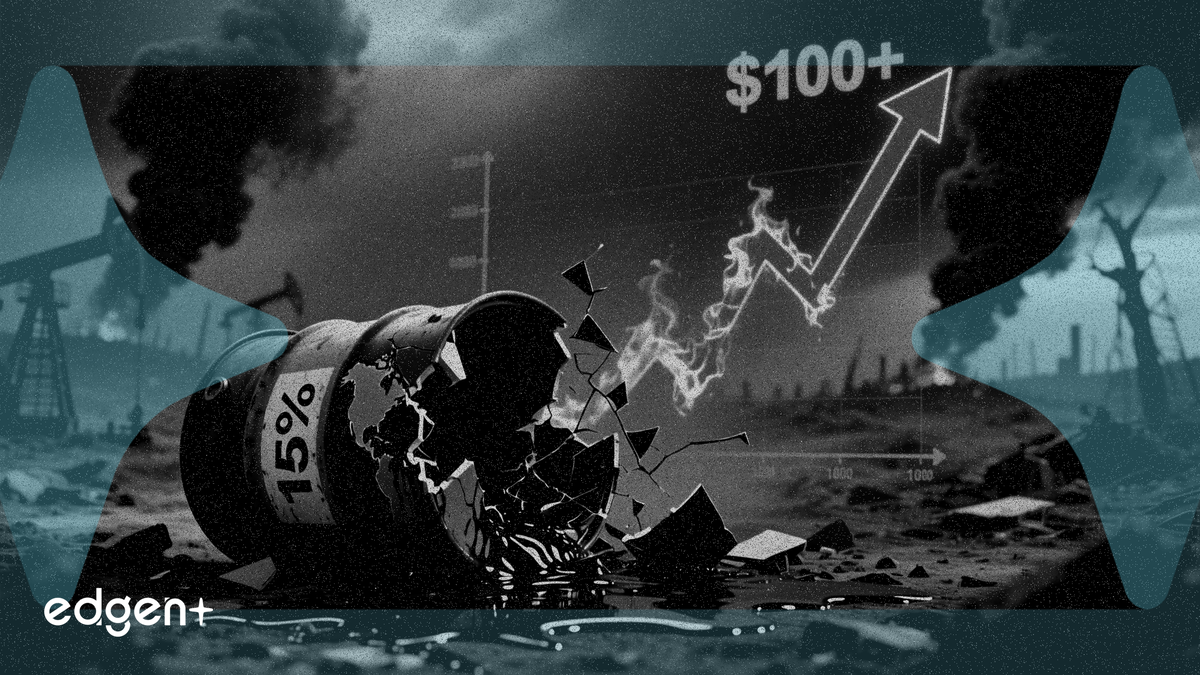
Uluslararası Enerji Ajansı'na (IEA) göre, İran'daki savaş nedeniyle küresel üretimin yaklaşık %15'inin devre dışı kalmasıyla küresel petrol piyasası benzeri görülmemiş bir arz şokuyla karşı karşıya. Hürmüz Boğazı'nın fiilen kapatılmasına odaklanan kriz, Brent ham petrolünü varil başına 100 doların üzerine çıkardı ve küresel enerji güvenliğinin dramatik bir şekilde yeniden değerlendirilmesine neden oldu.
IEA Mayıs ayı raporunda, "Hürmüz tanker trafiği hala kısıtlıyken, Orta Doğu Körfezi üreticilerinden gelen kümülatif arz kayıpları şimdiden 1 milyar varili aştı ve şu anda günlük 14 milyon varilden fazla petrol devre dışı kalmış durumda; bu benzeri görülmemiş bir arz şoku" dedi.
Kesinti, rafine ürün fiyatlarının fırlamasına neden oldu; jet yakıtı ve dizel Ocak ayından bu yana iki katına çıkarken, AB dizeli Nisan ayında litre başına 2,11 Euro ile rekor kırdı. IEA şimdi 2026 için günlük 1,78 milyon varillik (bpd) bir açık öngörüyor; bu, Aralık ayında tahmin edilen 4 milyon bpd'lik arz fazlasından tam bir geri dönüş anlamına geliyor. Ayrıca küresel envanterlerin sadece Mart ve Nisan aylarında 246 milyon varil azaldığını tahmin ediyor.
Kriz, özellikle petrolünün %60'ı için Orta Doğu'ya bağımlı olan Asya'daki enerji ithalatçıları için stratejik bir yeniden yapılanmayı zorunlu kılıyor. IEA'nın boğazın 3. çeyrekten itibaren kademeli olarak yeniden açılmasına ilişkin baz senaryosu, piyasanın 2026'nın sonlarına kadar rahatlamayabileceğini, bunun da yüksek enflasyon, ekonomik baskı ve küresel olarak potansiyel yakıt kıtlığı dönemini uzatacağını gösteriyor.
IEA'nın piyasa görünümündeki dramatik revizyonu, durumun ciddiyetini vurguluyor. Ajans şimdi ikinci çeyrekte günlük 6 milyon varillik potansiyel bir açık görüyor. Bu durum, 400 milyon varilin yetkilendirildiği ve rapor tarihi itibariyle 164 milyon varilin serbest bırakıldığı, tarihin koordineli en büyük stratejik petrol rezervi salınımını tetikledi. Yine de bu, fiyatları soğutmaya yetmedi ve gösterge Brent ham petrolü Nisan ayında 126 dolarla son dört yılın en yüksek seviyesine ulaştı.
Ham petrol arz şokunu derinleştiren bir diğer unsur da rafineri krizi. Reuters analizine göre, İran ve Ukrayna'daki savaşlar küresel petrol rafineri kapasitesinin yaklaşık %9'unu devre dışı bıraktı. Saldırılar ve önleyici kapatmalar Orta Doğu'da günlük 2,3 milyon varilden fazla kapasiteyi durdururken, Ukrayna'nın drone saldırıları Rusya'nın işleme kapasitesinin tahmini 700.000 varilini devre dışı bıraktı.
Bu durum, rafine ürünlerde, özellikle dizel ve jet yakıtında belirgin bir açık yarattı. FGE analisti Qilin Tam, "Asya ve Rusya'daki düşük rafineri çalışmaları gazyağı ve dizel üzerinde orantısız derecede büyük bir etki yarattı" dedi. IEA Nisan ayında, Körfez'den gelen arzın tam olarak geri yüklenmemesi durumunda Avrupa'nın Haziran gibi erken bir tarihte jet yakıtı kıtlığıyla karşı karşıya kalabileceği konusunda uyardı; bu durum daha yüksek uçak biletlerine ve uçuş iptallerine neden olma tehdidi taşıyor.
Fiyat şoku küresel olsa da sonuçları eşit dağılmıyor. Petrol ithalatının yaklaşık %60'ı için Orta Doğu'ya güvenen Asya, en sert darbeyi aldı. Buna karşılık, şu anda dünyanın en büyük petrol üreticisi olan ABD, tüketiciler savaş öncesi 3 dolardan az olan benzin için galon başına 4,50 dolardan fazla ödeme yapsa da kısmen korundu.
Bazıları için kriz bir lütuf oldu. Rusya'nın petrol ihracat geliri arttı ve ekonomisi için bir can simidi sağladı. Körfez içinde Suudi Arabistan ve BAE, savaş öncesi ihracatlarının yaklaşık yarısı için Hürmüz darboğazını boru hatları aracılığıyla baypas ederek kayıplarını hafifletmeyi başardı. Boğazın dışında yer alan Umman gelirlerinin arttığını gördü. Ancak Irak ve Kuveyt'in ihracatı sert düştü ve Katar'ın önemli sıvılaştırılmış doğal gaz (LNG) ihracatı tamamen durdu.
Bu kesinti, dünya çapında enerji stratejisinde hızlı ve muhtemelen kalıcı bir değişimi zorunlu kılıyor. Uluslar arz çeşitliliğine öncelik vermeye ve alternatif enerji kaynaklarına geçişi hızlandırmaya zorlanıyor. Birçokları için bu, yenilenebilir enerjiye ve elektrifikasyona daha fazla bağımlılık anlamına gelecek ancak aynı zamanda jeopolitik darboğazlara maruz kalmayı azaltmak için Amerika ve Afrika gibi bölgelerde yeni boru hatlarına ve yerli üretime yatırım yapma durumunu güçlendirebilir.
Bu makale sadece bilgilendirme amaçlıdır ve yatırım tavsiyesi teşkil etmez.
