
Iran's 70-80 million barrel blockade breach suggests US economic pressure is losing its grip on Tehran's oil exports.
Iran's 70-80 million barrel blockade breach suggests US economic pressure is losing its grip on Tehran's oil exports.
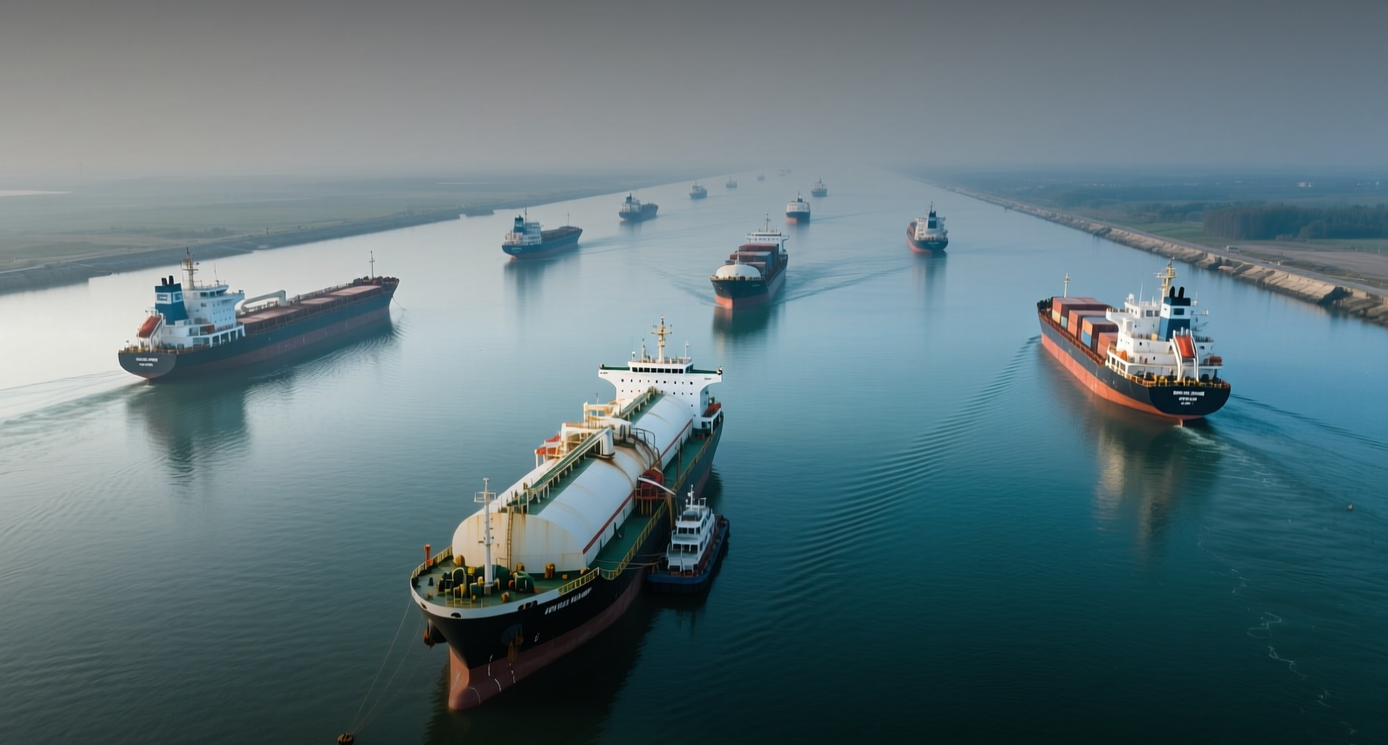
Iran's 70-80 million barrel blockade breach suggests US economic pressure is losing its grip on Tehran's oil exports.
Iran exported roughly 70-80 million barrels of crude during the ceasefire by breaking through the US maritime blockade, restoring shipments to pre-sanctions levels, according to Mohsen Rezaei, secretary of Iran's Supreme National Security Council.
"If the US continues its blockade, Tehran may take strong measures against US economic interests," Rezaei said. He said Iran has begun drawing down floating storage inventories while expanding alternative export channels that are growing in scale.
The claim comes as Hormuz oil flows have fallen to a three-month low, with just 5 million barrels per day transiting on Monday versus roughly 20 million bpd before the war began in late February, according to ship-tracking data from Kpler. The International Energy Agency said Gulf oil production rose by 2.5 million bpd in July to 23.9 million bpd, still 8.3 million bpd below pre-war levels. The US Energy Information Administration assessed production shut-ins at an average of 5.5 million bpd in July.
The restored Iranian exports could add downward pressure on crude prices at a time when Brent has already retreated from war-driven highs. Brent crude futures climbed 2.2 percent to $89.79 a barrel on Thursday, while US West Texas Intermediate gained 1.7 percent to $83.66, as investors reassessed expectations of a diplomatic breakthrough. If Iran can sustain these export levels, the additional supply could offset some of the 8.3 million bpd of Gulf production still shut in, reshaping the global supply picture.
The export figure highlights the limits of the US naval blockade, which has redirected 75 commercial vessels since its inception, according to US Central Command. Iran's deputy foreign minister, Kazem Gharibabadi, said the country's armed forces are playing a leading role in determining new maritime routes through the Strait of Hormuz, with the Islamic Revolutionary Guard Corps Navy at the forefront of the effort.
Iran has also been negotiating with Oman on a temporary joint shipping corridor through the strait. The two countries have discussed managing commercial shipping traffic, with outbound routes passing partly through Iranian waters and partly through Omani waters, Gharibabadi told state television. Iran has said it won't allow military vessels to transit under the proposed agreement.
The US has responded by announcing what Treasury Secretary Scott Bessent called "Operation Economic Outcast" — the toughest sanctions in history targeting Iran's trading partners. Tehran has countered by publishing a blacklist of 45 ships it says violated its rules for crossing the strait, threatening fines, detention and cargo confiscation.
The question now is whether Iran's restored export capacity can be sustained. Petroleum geologist Art Berman, who has more than four decades of industry experience, warned that millions of barrels of Persian Gulf production remain shut in and that restoring those wells is far more complicated than reopening the waterway. "This is not like turning on a switch for a light bulb," Berman told Fox News Digital. "It's a complicated, high-risk, relatively long-term process."
The IEA's August report shows global oil supply remains 6.3 million bpd below year-earlier levels. The EIA expects production and trade patterns to generally return to pre-conflict conditions in early 2027, but says some Gulf producers may not regain their previous output during its forecast period.
For US consumers, the restored Iranian exports may offer limited relief. "The oil market and the refined products market is global," Berman said. US refineries require different grades of crude to produce the country's mix of gasoline, diesel and jet fuel, meaning domestic production alone cannot eliminate America's exposure to international markets.
The trajectory of Iranian exports will depend on whether the ceasefire holds and whether the US intensifies its blockade enforcement. Trump said he has "no time schedule" for Iran to return to negotiations, telling Al Jazeera that the US is "winning very big" and pointing to Iran's economic difficulties. But Rezaei's export figures suggest Tehran has found workarounds that could blunt the effectiveness of US economic pressure.
If Iran sustains exports at pre-sanctions levels, the additional supply could weigh on crude prices. Brent has already fallen from war-driven peaks, and the IEA's data shows Gulf production recovering even as the strait remains restricted. The next test will come when the US and Iran resume negotiations — or if the blockade enforcement tightens further.
This article is for informational purposes only and does not constitute investment advice.
