
Iran's foreign minister accused US factions and pro-Israel elements of manipulating energy markets for private gain, as crude slid 4% on the week.
Iran's foreign minister accused US factions and pro-Israel elements of manipulating energy markets for private gain, as crude slid 4% on the week.
Iran's foreign minister accused US government factions and pro-Israel elements of manipulating energy markets for private gain, a charge that lands as Brent crude slid 4% on the week to $88.10 a barrel.
"Our intelligence shows someone is heavily manipulating the energy market," Seyed Abbas Araghchi said. "Some factions of the US government are using easily misled media to influence prices for private gain, while dragging the American president into a losing war."
The accusation comes as oil prices fell despite persistent geopolitical risk. Brent futures for November dropped 0.5% to close at $88.10 a barrel on Aug. 28, while West Texas Intermediate slipped 0.2% to $83.40, marking a roughly 4% weekly decline. The moves followed the US Treasury's Aug. 24 announcement of what Secretary Scott Bessent called the "toughest sanctions in history" against Iran, part of a naval blockade and financial campaign he described as an "economic D-Day."
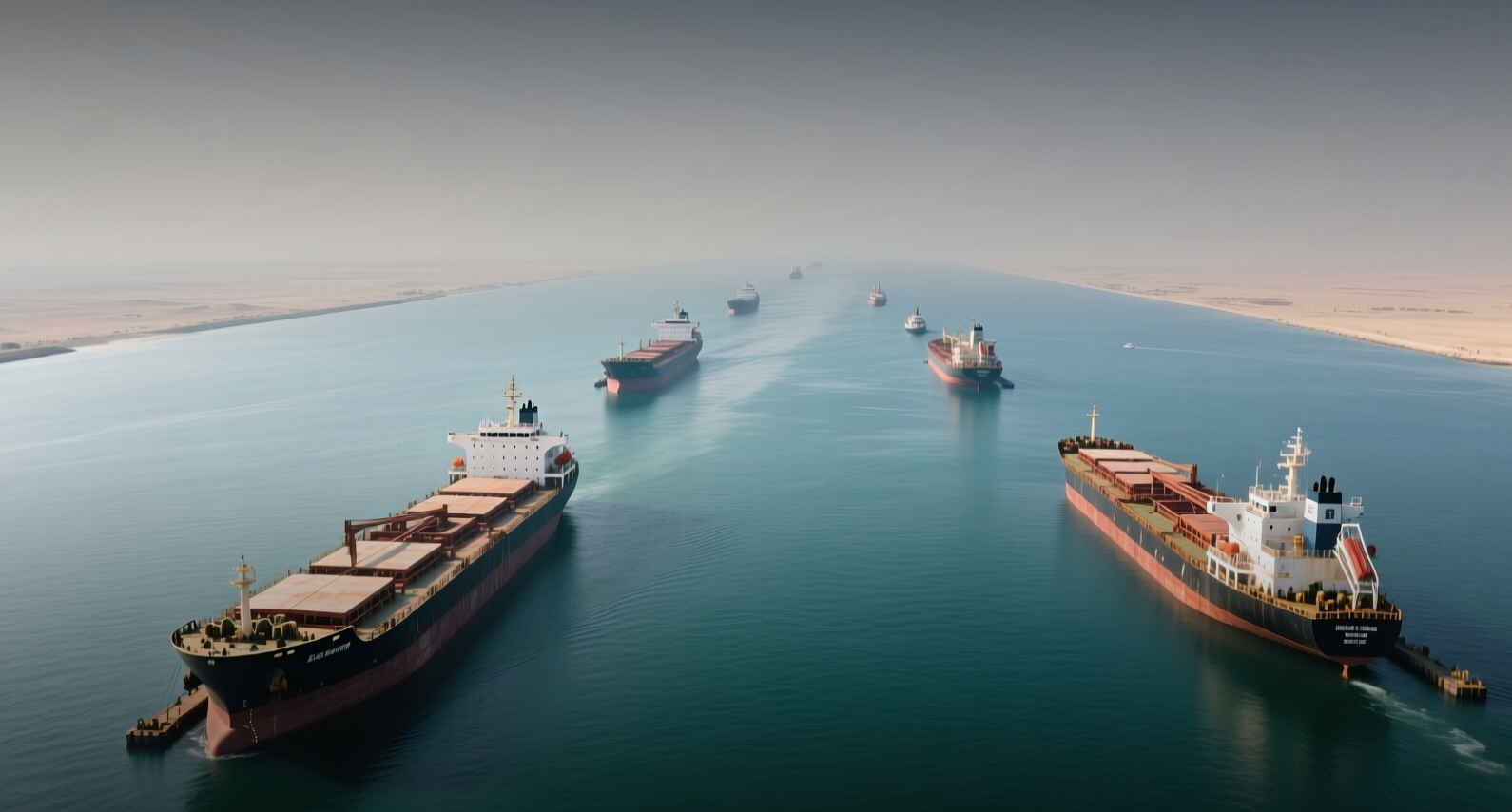
Araghchi's warning threatens to add a fresh risk premium to crude just as flows through the Strait of Hormuz recover. An estimated 6 million to 8 million barrels a day now transit the chokepoint, which handles about 21% of global oil trade, roughly half of pre-conflict levels after Iranian attacks on supertankers in July cut shipping. American consumers, Araghchi said, are bearing the real cost.
The allegation escalates a war of words between Tehran and Washington that has already reshaped global energy markets. Bessent, in a Financial Times op-ed published Sunday, said the campaign would sever Iran's remaining economic lifelines until the country "stood alone," targeting every financial and commercial channel supporting the regime. The Treasury has threatened secondary sanctions against foreign banks, companies and countries that continue trading with Iran, a move that could force China — which purchased more than 80% of Iran's seaborne crude exports in 2025, according to Kpler data — to choose between Tehran and access to US markets.
Iran's rial fell to a record low of 2.02 million against the dollar on informal markets Monday, while world stocks weakened ahead of the announcement, according to the Associated Press. The currency's slide reflects deepening isolation as Washington tightens the financial noose.
The market's muted reaction to Araghchi's rhetoric — oil fell rather than rallied — suggests traders are weighing the recovery in Hormuz flows against the threat of escalation. The last time Iran directly attacked shipping in July, transport volumes through the strait dropped sharply and crude spiked before retreating. Now, with 6 million to 8 million barrels a day moving again, the supply shock has partly unwound, even as the risk of renewed attacks keeps a floor under prices.
Bessent has argued that maximum financial pressure could reduce the likelihood of renewed large-scale military action. Iran, however, has threatened retaliation if other countries help Washington isolate its economy, raising the danger that sanctions intensify the conflict instead.
Araghchi's central claim — that American consumers bear the cost — points to the real transmission channel. If sanctions disrupt Iranian oil exports, energy prices rise, feeding inflation and complicating Federal Reserve easing. That dynamic, not the diplomatic rhetoric, is what traders will watch as the Treasury details its sanctions package and Iran weighs its response.
The immediate test comes as markets price the next escalation. If Iran follows through on retaliation, Brent could reclaim recent highs; if the sanctions bite without military response, the risk premium may continue to unwind.
This article is for informational purposes only and does not constitute investment advice.
