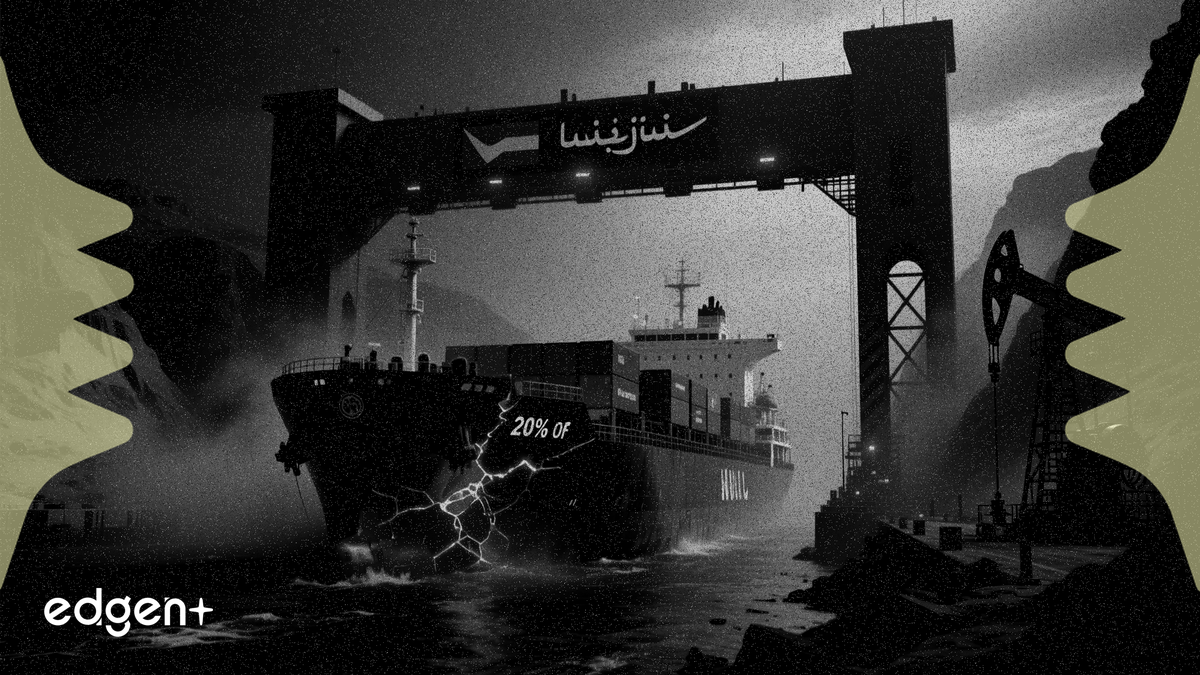
Tehran's plan to monetize the world's most critical oil chokepoint is sending shockwaves through energy markets, threatening to reignite global inflation.

Iran is advancing plans with Oman to impose a permanent toll on vessels in the Strait of Hormuz, a move that threatens to upend free navigation for the 20% of global oil supply transiting the waterway.
"If what they mean by opening the Straits is ‘Yes, the straits are open as long as you coordinate with Iran... and pay us,' that's not opening the Strait," U.S. Secretary of State Marco Rubio said in an interview with Fox News.
The proposal has already had a chilling effect on maritime traffic, which has fallen over 85% from its typical 138 daily vessel average. The disruption has removed approximately 11 million barrels per day of crude supply from the market, according to vessel tracking data.
With crude prices already elevated, institutionalizing a toll system could embed a permanent risk premium into energy costs, complicating the global fight against inflation and forcing a volatile re-pricing of geopolitical risk across asset classes.
Iran's ambassador to France, Mohammad Amin-Nejad, defended the move, telling Bloomberg that nations benefiting from the route should contribute to the costs of security and navigation. According to Iranian state media, some transit fees have already been collected, setting a dangerous precedent for what the U.S. and its allies consider an international waterway.
The White House has flatly rejected the proposal. "We want it free. We don't want tolls," President Donald Trump said, emphasizing that the U.S. maintains control of the strait through its naval presence. The starkly opposing views set the stage for a potential diplomatic or military confrontation, with Rubio warning that such a move would make any diplomatic agreement with Tehran "unfeasible."
The current situation echoes previous periods of tension in the Gulf, but the formalization of a toll system represents a significant escalation. Unlike temporary blockades or seizures, a permanent toll institutionalizes control and creates a new revenue stream for Iran, a move that could inspire similar actions in other strategic chokepoints globally if left unchallenged.
The energy shock is rippling into other markets. Higher energy costs threaten to keep inflation stubbornly high, which could force central banks to delay anticipated interest rate cuts. This "higher for longer" scenario tightens financial conditions, pressuring risk assets from equities to cryptocurrencies, which have historically underperformed in such environments.
This article is for informational purposes only and does not constitute investment advice.