
Baghdad's push for a far higher production baseline during OPEC+'s independent capacity review threatens to widen rifts in an alliance already missing the UAE, with the outcome set to shape 2027 crude supply.
Baghdad's push for a far higher production baseline during OPEC+'s independent capacity review threatens to widen rifts in an alliance already missing the UAE, with the outcome set to shape 2027 crude supply.
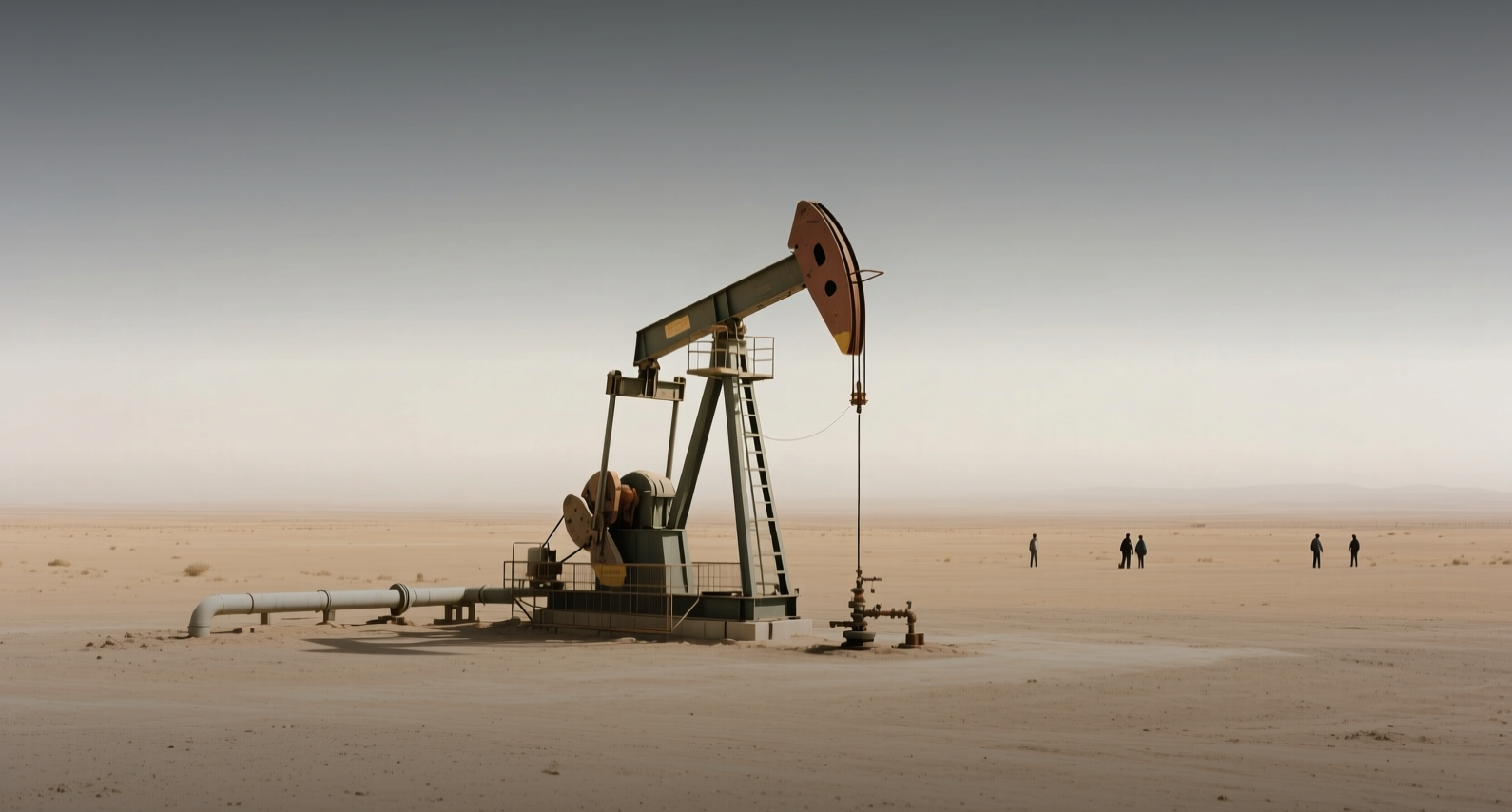
Iraq is pressing OPEC+ to peg its 2027 output baseline at 6 million barrels a day, roughly 35 percent above its current ceiling, as the group's external capacity audit nears completion.
"Iraq was in talks with OPEC to raise production to 5 million barrels a day once the Iran conflict ends," Oil Minister Basim Mohammed Khudair said in May, before Prime Minister Ali Al-Zaidi this month set a target of about 10 million barrels a day by 2030.
The request would lift Baghdad's baseline from the 4.431 million barrels a day ceiling set for September and October, a level the International Energy Agency already judges above the country's sustainable capacity of 4.9 million barrels a day. Iraq pumped an average of 2.98 million barrels a day in August, according to a Bloomberg survey, as the Iran war throttled flows through the Strait of Hormuz.
The outcome carries weight for global balances that could face a renewed surplus once Persian Gulf exports disrupted by the Iran war resume, and for Chevron Corp. and Exxon Mobil Corp. as they negotiate a return to Iraq. OPEC+ has tasked an external consultant with assessing members' maximum physical output, with results due by the end of this month and ratification by oil ministers in late November.
Whether the group recognizes 6 million barrels a day is highly uncertain, and the stakes extend beyond Baghdad's own output. Iraq, where OPEC was created six decades ago, hinted in June it could quit if denied a sufficiently high baseline — a move that would deal a major blow to an alliance recently shaken by the withdrawal of the United Arab Emirates, another large Middle East producer. Venezuela, a fellow founding member, is closely examining whether to leave as it reaches a watershed pact with President Donald Trump that gives the US considerable control over part of its oil reserves.
The audit itself marks a shift in how OPEC+ sets quotas. By benchmarking targets against independently assessed physical capacity rather than negotiated baselines, the group aims to align output with reality and close the gap between what members claim they can pump and what they actually produce. For Iraq, that gap is wide: its requested baseline of 6 million barrels a day exceeds the IEA's capacity estimate by more than a fifth, and its August output ran barely half the level it is seeking.
The last time OPEC+ redrew member baselines, in 2024, the group granted several countries higher reference levels after a similar review, only to see compliance slip as some producers struggled to reach their new targets. A repeat this cycle would test whether the alliance can enforce discipline even as it expands the production pie.
For the crude market, the audit's outcome is a supply-side wildcard layered on top of an already volatile backdrop. Brent crude has climbed toward $100 as fresh Middle East strikes raise supply risks, yet prices have not broken decisively higher in part because traders expect OPEC+ to restore barrels once the Iran conflict eases. A baseline that locks in higher Iraqi output would reinforce that bearish case, while a rejection that pushes Baghdad toward the exit would threaten the cohesion underpinning the group's output restraint.
The decision, due when ministers meet in late November, will also shape the negotiating position of international majors. Chevron and Exxon Mobil are in talks to return to Iraq's oil fields, and a higher quota would signal the country can accommodate expanded foreign investment even as it pursues an output target more than triple its current August level.
This article is for informational purposes only and does not constitute investment advice.
