
Key Takeaways: Iraq's plan to nearly double crude output to 10 million bpd within six years hinges on a larger OPEC quota from Saudi Arabia.
Key Takeaways: Iraq's plan to nearly double crude output to 10 million bpd within six years hinges on a larger OPEC quota from Saudi Arabia.
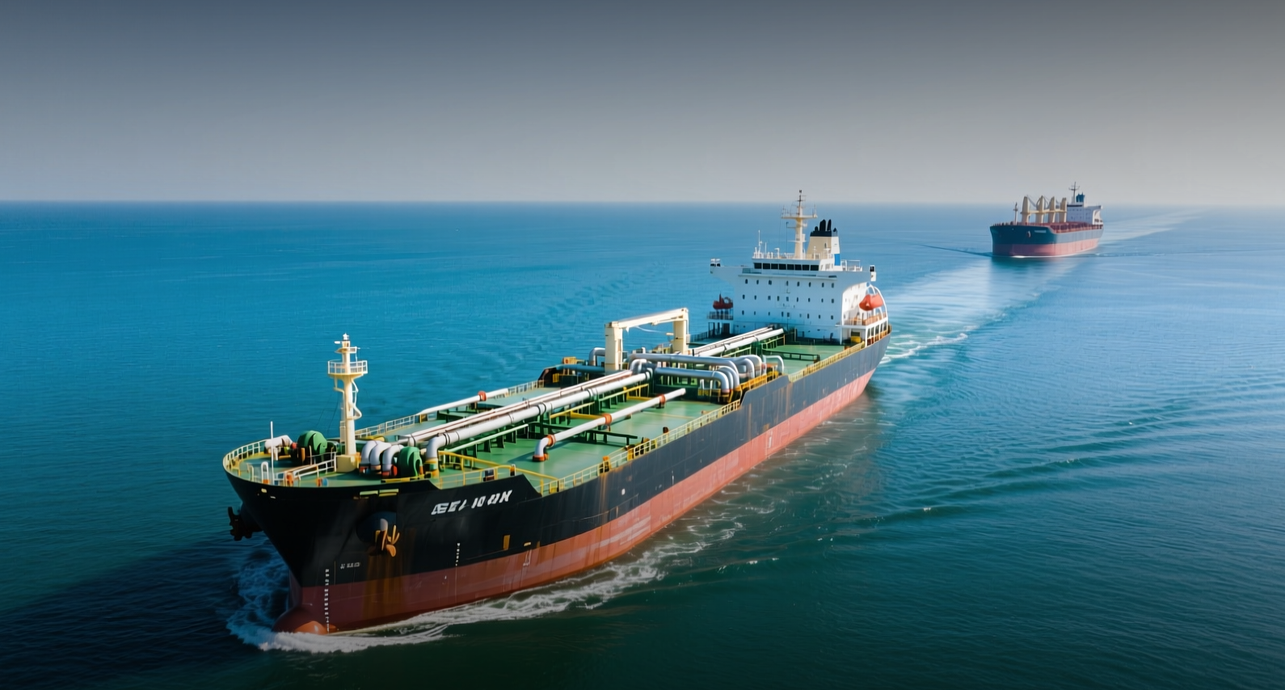
Iraq plans to raise crude output to 8-10 million barrels per day within six years, Prime Minister Ali al-Zaidi said Friday, as a ministerial committee heads to Saudi Arabia to negotiate a larger OPEC quota.
Al-Zaidi said the committee had been dispatched to Riyadh to discuss expanding Iraq's production allocation, and that Baghdad was also working to export oil through Syria's Baniyas port and Jordan's Aqaba port.
The target would mark a substantial increase from Iraq's current output, which was disrupted earlier this year when the Strait of Hormuz closure triggered a storage crisis that forced production cuts. Iraq raised refining capacity to 1.3 million bpd in August 2025 and has been arranging salary payments to maintain Lukoil's output at the West Qurna-2 oilfield in southern Basra.
A successful quota expansion would add millions of barrels of daily supply to global markets, potentially pressuring crude benchmarks at a time when OPEC+ is managing output to support prices. The six-year timeline limits near-term impact, but the negotiation shows Iraq's ambition to reclaim its position among the cartel's largest producers.
The push to export through Baniyas and Aqaba reflects Iraq's effort to reduce dependence on Gulf shipping lanes, which proved vulnerable during the Hormuz disruption in March. The Baniyas port on Syria's Mediterranean coast would give Iraq a direct outlet to European buyers, while Aqaba on the Red Sea offers an alternative route to Asian markets. Both routes would require significant infrastructure investment, including new pipeline connections and terminal upgrades, before they could handle meaningful volumes.
Iraq's production expansion would require substantial upstream investment across its major fields, many of which are operated by international oil companies under technical service contracts. The country has been working with Lukoil to maintain output at West Qurna-2, one of its largest producing fields, and has been managing payment arrangements to keep foreign operators engaged. The six-year timeline suggests a phased approach to capacity building, with early gains likely coming from existing fields before new developments come online.
The OPEC quota negotiation with Saudi Arabia is the critical variable. Iraq's current allocation under the OPEC+ agreement limits its production well below the 8-10 million bpd target. Securing a higher quota would require consensus among the cartel's members, many of whom are also seeking to expand output as global demand recovers. Saudi Arabia, as the de facto leader of OPEC, holds significant sway over quota allocations, and its willingness to accommodate Iraq's request will determine whether the target is achievable.
For global oil markets, the implications are twofold. In the near term, the announcement is unlikely to move prices given the long timeline and the uncertainty around quota negotiations. But if Iraq demonstrates progress toward the target, it could reshape supply expectations for the late 2020s, potentially capping price upside for producers and easing inflation pressures for importers. The additional supply would also give OPEC+ more flexibility in managing the balance between supporting prices and defending market share, a dynamic that has defined the cartel's strategy since the 2020 output cuts.
This article is for informational purposes only and does not constitute investment advice.
