
Le Corps des Gardiens de la Révolution islamique d'Iran a averti qu'il répondrait de manière « décisive » à toute perturbation du détroit d'Ormuz, menaçant une voie navigable qui transporte 21 % des expéditions mondiales de pétrole brut.
Le Corps des Gardiens de la Révolution islamique d'Iran a averti qu'il répondrait de manière « décisive » à toute perturbation du détroit d'Ormuz, menaçant une voie navigable qui transporte 21 % des expéditions mondiales de pétrole brut.
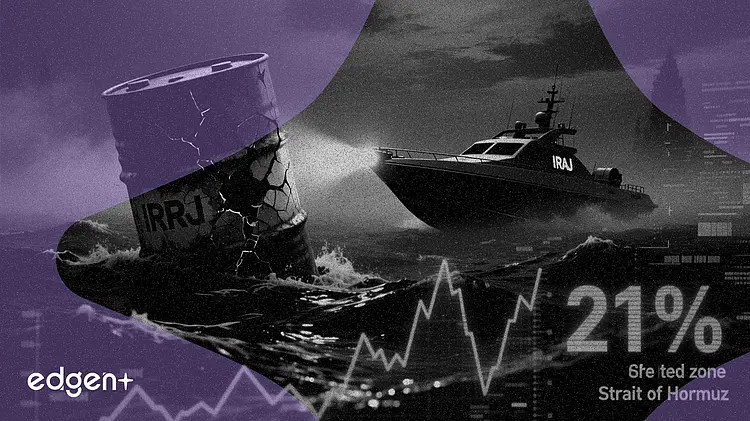
Le Corps des Gardiens de la Révolution islamique (IRGC) d'Iran a menacé jeudi une réponse « décisive » à toute perturbation du détroit d'Ormuz, intensifiant une impasse qui a déjà fait grimper les prix du pétrole brut et perturbé le commerce mondial de l'énergie via ce goulet d'étranglement critique.
« Le détroit sera ouvert à tout le monde. Ce sont des eaux internationales et Oman se comportera comme tout le monde, sinon nous devrons les faire sauter », a déclaré le président Donald Trump aux journalistes à la Maison-Blanche mercredi, selon un rapport de TIME. Les commentaires de Trump sont intervenus après que les médias d'État iraniens ont rapporté qu'Oman et l'Iran étaient en pourparlers pour gérer conjointement le trafic maritime dans cette voie navigable.
L'armée américaine a mené mercredi des frappes contre un site militaire iranien à Bandar Abbas, a déclaré un responsable américain à Reuters, après avoir abattu quatre drones d'attaque iraniens menaçant le détroit. L'IRGC iranien a riposté en ciblant une base aérienne américaine aux premières heures de jeudi, a rapporté l'agence de presse Tasnim, proche du régime. Ces échanges de coups font suite à un cessez-le-feu convenu le 8 avril qui n'a pas réussi à mettre fin aux hostilités de basse intensité entre les deux parties.
Le détroit d'Ormuz gère environ 21 % du commerce mondial de pétrole, ce qui fait de toute perturbation prolongée une menace directe pour les prix de l'énergie dans le monde entier. Le Brent a déjà bondi alors que la fermeture effective de la voie navigable pendant le conflit de trois mois a fait exploser les coûts d'expédition et perturbé les flux de matières premières. Si l'impasse s'aggrave davantage, les analystes préviennent que le pétrole brut pourrait grimper bien au-dessus des niveaux actuels, alimentant une hausse des prix de l'essence et des pressions inflationnistes plus larges avant les élections de mi-mandat américaines.
Les marchés pétroliers intègrent une perturbation prolongée
Le détroit d'Ormuz, un goulet d'étranglement de 34 kilomètres entre Oman et l'Iran, est au centre du conflit américano-iranien depuis le début de la guerre le 28 février. Des sections de la voie navigable traversent les eaux territoriales d'Oman et de l'Iran, donnant à Téhéran un levier sur les voies maritimes qui transportent environ 17 millions de barils de pétrole brut par jour — soit environ un cinquième de la consommation mondiale.
Les efforts américains pour rétablir le trafic commercial, y compris un blocus naval des ports iraniens, n'ont jusqu'à présent pas réussi à rouvrir complètement le détroit. Le resserrement de l'offre qui en résulte a fait fortement grimper les prix de l'énergie et perturbé le commerce des produits raffinés, du gaz naturel liquéfié et d'autres matières premières qui transitent par cette voie navigable.
La dernière fois que le détroit a été confronté à une menace comparable, c'était lors des attaques de pétroliers en 2019 et de l'assassinat de Qasem Soleimani par les États-Unis en 2020, lorsque les prix du pétrole avaient grimpé jusqu'à 15 % en quelques jours avant de reculer. Le conflit actuel a déjà duré plus longtemps et infligé des dommages plus durables aux routes maritimes, suggérant que la prime de risque pourrait persister.
Les négociations en équilibre
La menace de l'IRGC intervient alors que les négociateurs américains et iraniens tentent de finaliser une fin plus définitive de la guerre. Les progrès ont fluctué depuis le cessez-le-feu du 8 avril, les deux parties échangeant de nouvelles attaques et formulant de nouvelles exigences. Le porte-parole du ministère iranien des Affaires étrangères, Esmail Baqai, a déclaré lundi que les deux parties « étaient parvenues à une conclusion sur une grande partie des questions en discussion », selon les médias d'État iraniens.
Mais Trump a rejeté mercredi les affirmations iraniennes selon lesquelles les États-Unis avaient accepté de débloquer des milliards de dollars d'avoirs ou d'autoriser une gestion conjointe omano-iranienne du détroit, qualifiant le projet d'accord rapporté de « pure invention ». L'administration a plutôt imposé de nouvelles sanctions contre l'agence nouvellement créée par l'Iran cherchant à contrôler le trafic maritime dans cette voie navigable.
William Figueroa, professeur assistant de relations internationales à l'Université de Groningue, a déclaré à TIME que Trump « essaie de prouver qu'il n'est pas "mou" envers l'Iran pour apaiser ses critiques, mais une telle imprévisibilité met les négociations en péril, surtout compte tenu du peu de confiance que les négociateurs iraniens accordent au processus américain ».
Au-delà du pétrole brut, le risque géopolitique a eu des répercussions sur les marchés financiers. Les valeurs du secteur de la défense ont progressé alors que les investisseurs intègrent un engagement militaire prolongé. L'or, valeur refuge traditionnelle, a attiré des acheteurs dans un contexte d'incertitude. Les marchés des changes ont également ressenti la pression, le rial iranien étant sous pression et les devises des États du Golfe faisant face à une volatilité liée à leur exposition au conflit.
Trump a déclaré mercredi qu'il était prêt à « attendre plus longtemps » que l'Iran et a rejeté les inquiétudes selon lesquelles l'approche des élections de mi-mandat pourrait le pousser vers un accord plus rapide. « Je me fiche des élections de mi-mandat », a-t-il déclaré, tout en réitérant sa menace d'« en finir » si l'Iran n'accepte pas des conditions acceptables pour les États-Unis.
Cet article est fourni à titre informatif uniquement et ne constitue pas un conseil en investissement.
