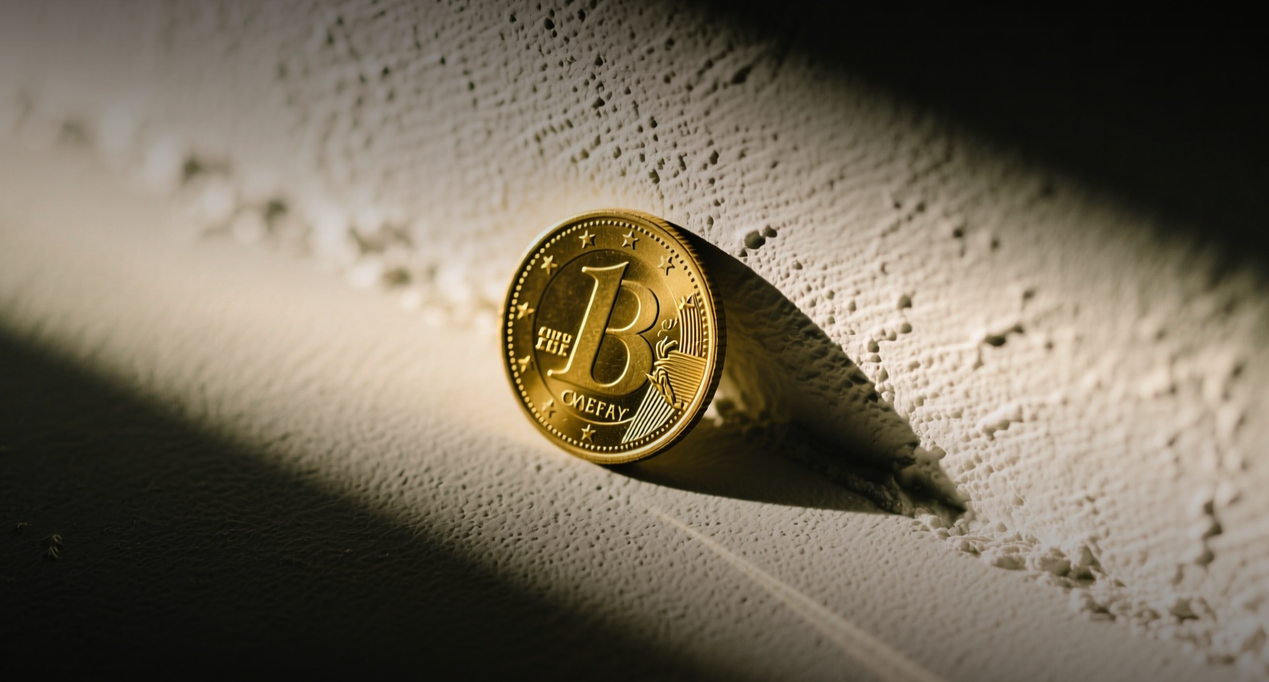
Japan's parliament moved to reclassify digital assets as financial instruments and slash the top tax rate on crypto gains from 55% to a flat 20%, the most consequential overhaul of the country's digital asset framework since the Mt. Gox era.
Japan's lower house approved legislation June 10 reclassifying crypto as financial instruments and cutting the top tax rate on gains to a flat 20% from as high as 55%, the Financial Services Agency said.
"This reform brings crypto assets into the same regulatory framework that governs stocks and bonds, providing clarity for both investors and market participants," a spokesperson for the Financial Services Agency said.
The bill, which cleared the Committee on Financial Affairs on June 10, moves crypto transaction rules out of the Payment Services Act and places them under the Financial Instruments and Exchange Act. Roughly 105 tokens listed on domestic-licensed exchanges, including Bitcoin and Ether, qualify for the lower rate with mandatory disclosure requirements attached. The tax change takes effect in 2028 for individual traders, while a corporate exemption on unrealized gains began April 1. The legislation also bans insider trading on non-public information and raises the maximum prison term for unregistered operators to 10 years from three years.
The overhaul positions Japan as one of the most crypto-friendly major economies by tax treatment, potentially drawing retail and institutional capital deterred by the previous 55% top rate. Asset managers including Nomura and SBI are preparing crypto-integrated investment trusts pending FSA approval, with the first spot Bitcoin vehicles targeted for mid-2026.
XRP Rallies 8% as ETF Inflows Accelerate
XRP rose about 8% to $1.24 on Monday as the regulatory clarity from Tokyo added to bullish momentum from a U.S.-Iran peace deal announced June 15. XRP exchange-traded products posted net inflows for five consecutive weeks, with nearly $11 million added in the latest period. Since U.S. spot ETFs debuted in November 2025, they have accumulated over $1.4 billion. The token remains 68% below its 52-week high of $3.65 and down roughly 34% year to date, with the 50-day moving average at $1.32 representing the next resistance level.
Banking Giants Enter the Fray
Three of Japan's largest banking groups — MUFG, Mizuho, and SMBC — are jointly developing a stablecoin project targeting commercial launch within the 2026 fiscal year. The initiative, combined with the regulatory overhaul, could accelerate the development of a domestic crypto ETF market that currently does not exist in Japan.
The Structural Challenge
Despite the rally, the XRP Ledger's $4.18 billion in tokenized real-world assets — a 28-fold increase from $147 million a year earlier — has not translated into proportional token demand. Network fees paid in XRP remain negligible, with only 14.3 million XRP burned since 2012. For a sustained price recovery, those on-chain assets must generate real transaction flows that require XRP as a settlement medium, analysts said.
This article is for informational purposes only and does not constitute investment advice.