
主なポイント:
- 中央アフリカにおけるエボラの疑い症例が1,000件を超え、DRCで282件が確定
- ブンディブギョ株には承認されたワクチンや治療薬がなく、封じ込めを複雑化
- ケリー両氏は、米国は国境スクリーニングから発生源封じ込めへと方針転換すべきと主張
主なポイント:
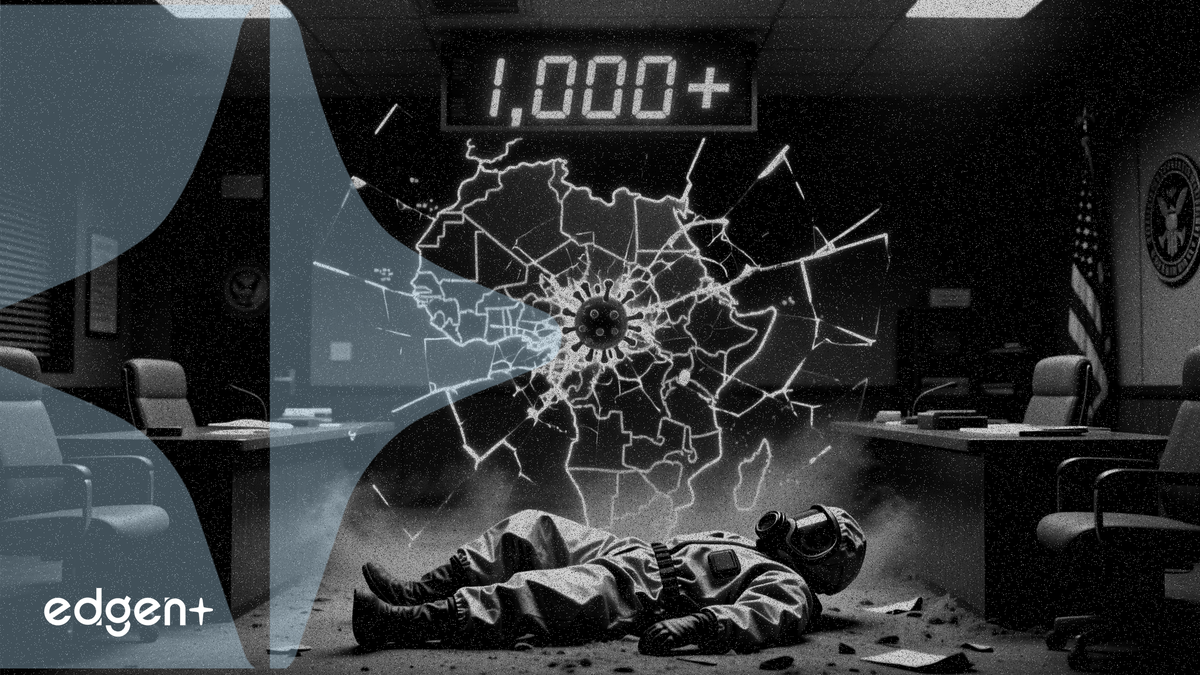
米国は、国境対策を発生源封じ込めよりも優先することで、2014年のエボラ危機の過ちを繰り返していると、ジョン・ケリー氏とヴァネッサ・ケリー氏が火曜日に指摘した。中央アフリカでの疑い症例は1,000件を超えた。
「アウトブレイクは地域レベルで、コミュニティごとに封じ込められる」と、元米国務長官のジョン・ケリー氏とSeed Global HealthのCEOであるヴァネッサ・ケリー氏はウォール・ストリート・ジャーナルに寄稿した。「人々は医療従事者を信頼しなければならない。家族は接触者追跡に協力しなければならない。埋葬は安全に行われなければならない。」
世界保健機関(WHO)は、4月下旬にコンゴ民主共和国(DRC)でエボラウイルスのブンディブギョ株が検出されたことを受け、5月17日にこのアウトブレイクを国際的に懸念される公衆衛生上の緊急事態と宣言した。保健省によると、DRCでは5月31日時点で282件の確定症例と42人の死亡が報告されており、うち264件がイトゥリ州に集中している。ウガンダでは15件の確定症例と1人の死亡が確認されている。WHOによると、この株には承認されたワクチンや標的治療薬はない。
2014年の西アフリカでのアウトブレイクでは、米国が3,500人の要員を派遣し54億ドルの緊急資金を承認するまでに、約28,600人が感染し11,000人以上が死亡した。現在の米国の対応は、スクリーニングプロトコルとケニアに計画された50床の隔離施設の建設に集中しているが、ケニアの裁判所は5月29日、公衆衛生上の懸念からこの計画を停止した。CDCはDRC、ウガンダ、南スーダンからの渡航者の入国を一時的に制限した。
遅れた行動の代償
両氏は、米国人を守る最も効果的な方法は、DRCとその隣国、そしてWHOが発生源での感染伝播を封じ込めるのを支援することだと主張する。保健省によると、DRCでの接触者追跡のカバー率は45%で、220件の疑い症例が依然として調査中である。WHOによると、このアウトブレイクはウガンダに越境するまで数週間検出されなかった。
2014年の経験は、ためらいの代償を示している。米国が動員したとき——治療センターの建設、医療従事者の訓練、安全な埋葬チームの支援——アウトブレイクは最終的に封じ込められた。現政権には、技術的専門知識を投入し、治療センターを拡大し、サプライチェーンを強化する時間がまだあると両氏は述べた。
「待つことの代償は、ドルと命の両面で、今行動することの代償よりもはるかに大きい」とケリー両氏は書いている。
USAIDの解体、世界の健康資金への削減、WHOからの米国の離脱は、疾病監視と対応にギャップを生じさせていると両氏は指摘した。対照的に、昨年ウガンダで発生したエボラアウトブレイクは、訓練された医療従事者と治療インフラがすでに整備されていたため、12週間以内に封じ込められた。
この記事は情報提供のみを目的としており、投資助言を構成するものではない。
