
Kahn Swick & Foti opened an investigation into Super Micro Computer's officers and directors, adding a new layer of legal scrutiny to a $2.5 billion AI chip smuggling case.
Kahn Swick & Foti opened an investigation into Super Micro Computer's officers and directors, adding a new layer of legal scrutiny to a $2.5 billion AI chip smuggling case.
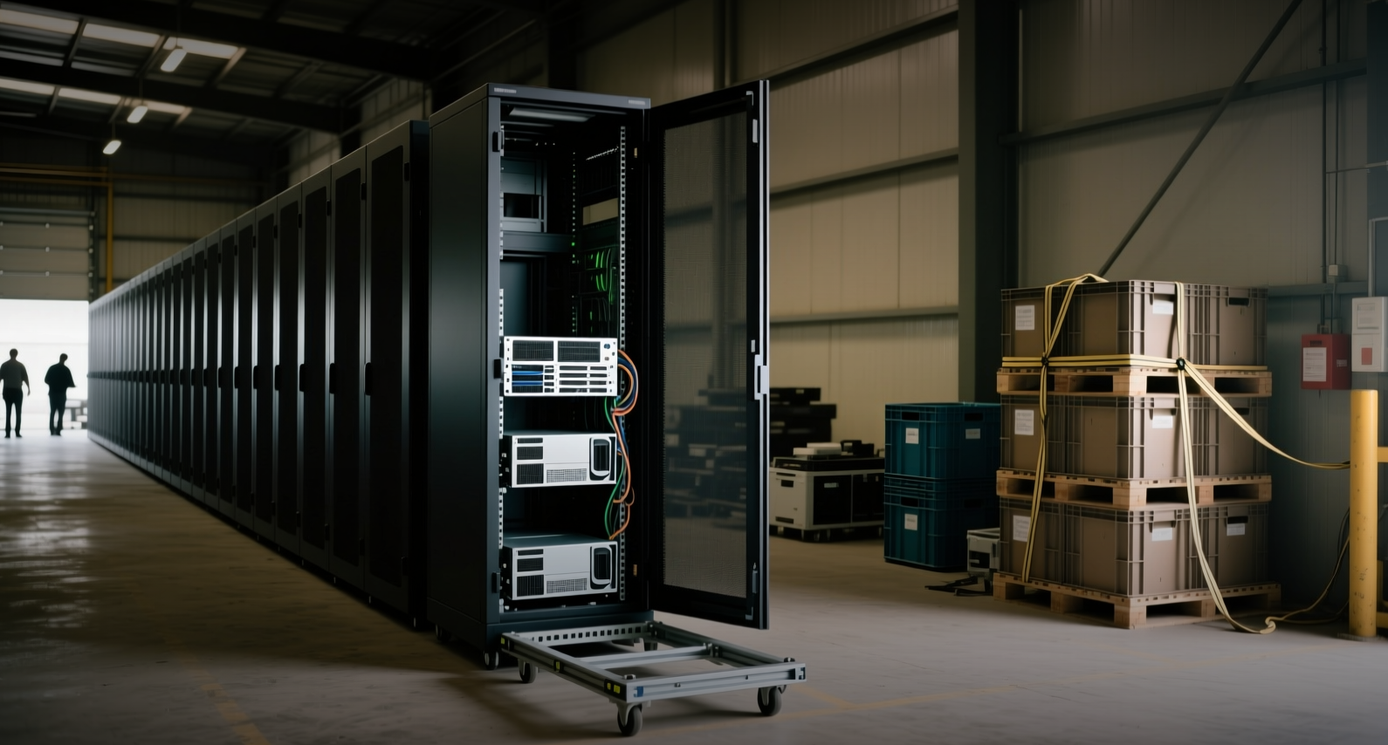
Kahn Swick & Foti opened an investigation into Super Micro Computer's officers and directors on August 31, deepening legal exposure from a DOJ indictment alleging $2.5 billion in AI servers were diverted to China.
"KSF's investigation is focusing on whether Super Micro's officers and/or directors breached their fiduciary duties to its shareholders or otherwise violated state or federal laws," the firm said in a statement.
The DOJ unsealed its indictment on March 19, charging three individuals associated with the company, including co-founder Yih-Shyan Liaw, with running a scheme to divert servers housing U.S. AI technology to customers in China between 2024 and 2025. The indictment named Ruei-Tsang Chang, a general manager in Super Micro's Taiwan office, and Ting-Wei Sun, a third-party broker, alongside Liaw. Prosecutors alleged the scheme was designed to "drive sales and generate revenues in violation of U.S. law."
The investigation compounds a year of legal turmoil for Super Micro. Shares fell 27 percent in March after the DOJ charges were unsealed, and the stock has swung on each development since. The company faces a securities class action lawsuit from shareholders, and Taiwan prosecutors indicted nine people on August 24 over related server exports.
The Taiwan indictment, handed down by prosecutors in the port city of Keelung, charged eight defendants with breach of trust and document forgery, and three with embezzlement. Prosecutors said 50 servers were transshipped through Indonesia, eight via Japan, and the rest went directly to China, while another 56 servers were seized at Taiwan's border. Exporting restricted chips to China is not itself a criminal offense under Taiwanese law, so prosecutors relied on breach of trust, forgery, and embezzlement statutes instead. Prosecutors are seeking sentences of up to five years for seven defendants they said were "driven by the pursuit of exorbitant profits."
Super Micro said it cooperated with authorities and "is not a target of their investigation and has not been accused of any wrongdoing." The company's stock surged 8 percent to $37.88 on August 25 after Taiwan indicted employees but not the company itself, unwinding a 7 percent drop the prior session. Dell Technologies, which had no employees named in the Taiwan case, climbed 4 percent to $452.01 on the same read-across to AI server demand. The iShares Semiconductor ETF gained 1 percent to $513.23, confirming a hardware-led rebound rather than a broad tech rally.
The KSF investigation targets the same underlying conduct that triggered the DOJ case. The firm, whose partners include former Louisiana Attorney General Charles C. Foti Jr., is one of the nation's top securities litigation firms by settlement value, according to ISS Securities Class Action Services. KSF is seeking information from long-term holders of Super Micro shares and has asked anyone with relevant information to contact the firm.
Super Micro stock traded at $37.32 as of the latest session, up 20 percent year to date through Monday's close. The stock remains well below its levels before the March indictment, reflecting persistent legal overhang. NVIDIA, which supplies the AI chips in the servers at the center of the case, reports fiscal Q3 2026 results after the close on August 26, a potential repricing event for the AI server complex. Dell Technologies reports its own fiscal Q3 2026 results on September 1.
The investigation adds to a growing list of legal and regulatory actions facing Super Micro. Beyond the DOJ and Taiwan cases, the company faces a securities class action alleging it failed to disclose material information during the class period. KSF's probe into fiduciary duties could lead to derivative litigation against board members if evidence of misconduct emerges. For investors, the legal overhang means Super Micro shares carry elevated headline risk, and position sizing should account for the possibility of further adverse developments as the DOJ, Taiwan, and now KSF proceedings advance on separate timetables. The stock's 20 percent year-to-date gain masks the volatility: shares swung from $28.15 in June after Taiwan raids to $37.88 on August 25 after the Taiwan indictment cleared the company itself.
This article is for informational purposes only and does not constitute investment advice.
