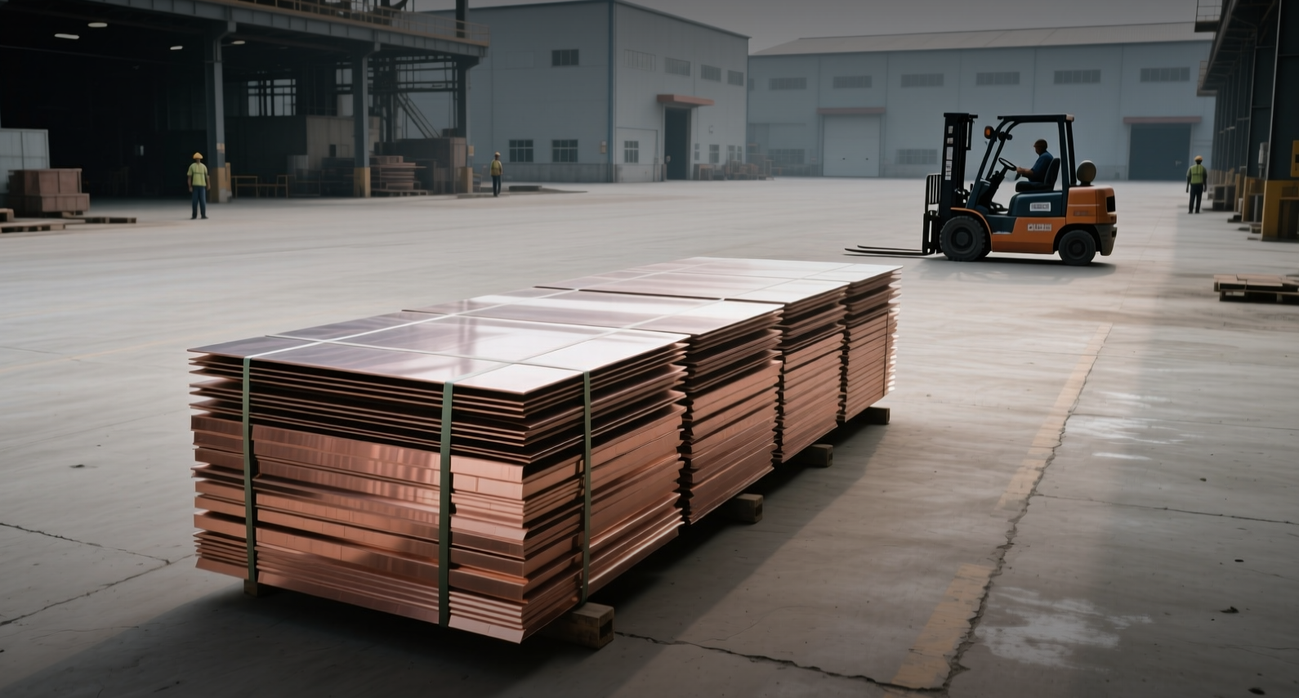
Copper touched a record $14,533 per tonne on the London Metal Exchange on Sept. 7, up 0.9% to $14,510, as mine supply concerns and tariff speculation drew buyers to secure metal.
Global copper mine output fell 1.1% in the first half of 2026, while concentrate production — the main raw material for smelters — declined 2.6%, according to preliminary data from the International Copper Study Group released in August. The shortfall is concentrated in Chile, the world's largest producer, which recorded its lowest second-quarter copper output in at least 19 years and cut its full-year forecast for a second consecutive quarter.
Copper miners representing about two-thirds of global supply recorded a 3.5% decline in first-half production following a series of operational setbacks, according to Jefferies Financial Group. "The difficulties miners face in increasing output are the underlying theme of a very, very tight market," Evy Hambro, global head of thematic and sector investing at BlackRock, said in a Bloomberg interview.
Prices have gained 16% this year, surpassing the previous record set in January. Speculation over potential US tariffs on copper has drawn large volumes of refined metal into the US, concentrating much of the world's available inventory there and tightening short-term supplies elsewhere. The metal reached fresh highs on the US market last month as traders positioned for a decision on expanded copper tariffs.
Hong Kong miners rally
The record price triggered a broad rally in Hong Kong-listed non-ferrous metal equities. CMOC (03993.HK) rose 5.8%, Jiangxi Copper (00358.HK) gained 5.3%, MMG (01208.HK) advanced 4.2% and Zijin Mining (02899.HK) climbed 3.3%, with short-selling ratios across the group ranging from 6.6% to 20.7% as of Sept. 7.
Supply deficit outlook
Copper demand is expected to accelerate as artificial intelligence, data centres, renewable energy and electrification require increasing amounts of the metal. S&P Global has forecast global copper demand will rise 50% by 2040, while ageing mines, declining grades and operational disruptions make it increasingly difficult for established producing regions to lift output.
Citigroup analyst Tom Mulqueen forecasts copper could reach $15,000 per tonne by the end of the year, and around $17,000 if manufacturing activity recovers or demand from the energy transition, data centres and strategic stockpiling proves stronger than expected. While estimates for the timing and size of a copper deficit vary, constrained mine supply is expected to remain an important source of price support.
This article is for informational purposes only and does not constitute investment advice.