

Sanjay Mehrotra told Jim Cramer that even Micron's own customers failed to predict the AI memory boom now driving a $200 billion capacity buildout.
Sanjay Mehrotra told Jim Cramer that even Micron's own customers failed to predict the AI memory boom now driving a $200 billion capacity buildout.
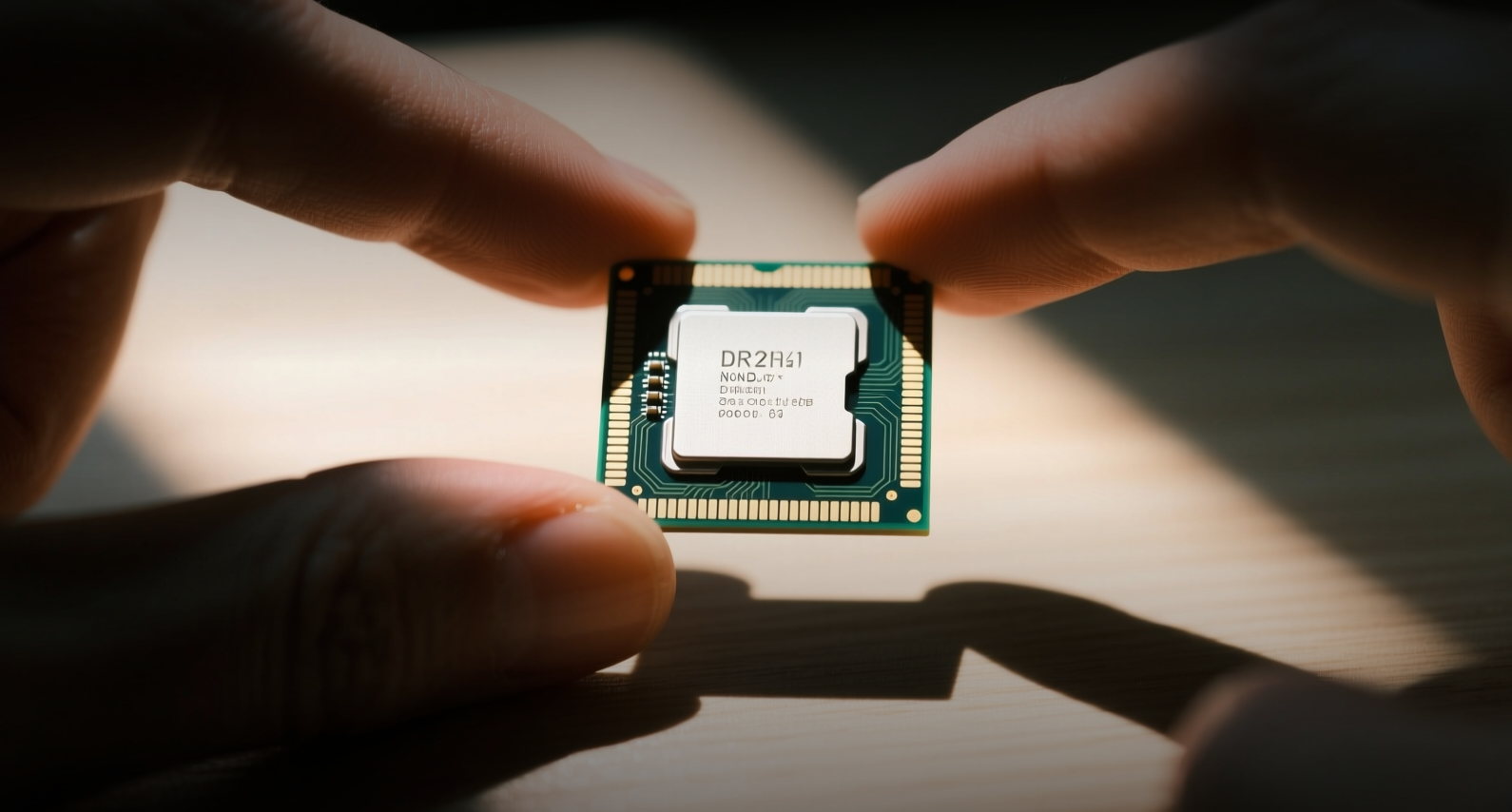
Sanjay Mehrotra sat with Jim Cramer on June 30 and said what few semiconductor CEOs will admit: the AI memory boom has surpassed even the buyers' own forecasts. "Even our customers could not forecast this demand," the Micron Technology Inc. (NASDAQ: MU) chief executive said. The admission explains why the Boise, Idaho-based memory maker is now committing $200 billion to capacity expansion across the US.
"We are investing $200 billion of investments right here in the US," Mehrotra told Cramer. "These investments are very much geared toward trying to bring on supply." The plan covers fabs in Boise and Clay, New York, plus R&D spending, spread over roughly two decades. The near-term ramp is already accelerating: CFO Mark Murphy said on the fiscal Q2 call that fiscal 2026 capital expenditure would exceed $25 billion, with construction-related outlays rising more than $10 billion year over year in fiscal 2027.
The spending reflects a supply-demand imbalance that Mehrotra described as the worst he has ever seen in DRAM history. "In the medium term, we are only able to meet about 50% to two-thirds of our demand from several key customers," he told analysts. "The gap between the demand and supply for all of DRAM, including HBM, is really the highest that we have ever seen." Micron has responded with Strategic Customer Agreements — multi-year contracts with real commitments — and has signed its first five-year SCA, with more discussions ongoing across data center, automotive, and consumer markets.
The 2023 bet that made this possible
Three years ago, Micron was in a downcycle that ends careers. Fiscal 2023 revenue collapsed to $15.54 billion with a $5.83 billion net loss and a negative gross margin. Mehrotra's description was blunt: "In 23, our prices came down to one third of what they were." While competitors slashed capital expenditure, Micron sank roughly $10 billion into technology and capacity. That contrarian move now looks like the setup for one of the most violent operating leverage stories in technology. Q3 FY2026 revenue hit $41.46 billion, and operating margin ran at 80.4%. A single quarter in Q4 is guided to $50 billion — exceeding Micron's entire annual revenue for every fiscal year through 2024.
What the numbers say about the cycle
Management guided fiscal Q4 to revenue of $50 billion give or take $1 billion, non-GAAP earnings per share of $31 give or take $1, and GAAP gross margin around 86%. HBM4 is already in high-volume shipments to the lead AI accelerator customer, with HBM4E on the 1-gamma DRAM node targeting calendar 2027 volume production. The stock has surged 754% over the past year and 227% year to date, though shares gave back 9.67% on July 1 as investors took profits.
The forward price-to-earnings ratio of 7x reflects the market's lingering suspicion that memory remains cyclical and the boom will eventually turn. Mehrotra's counter: 40% of Micron's revenue comes from consumer, automotive, and industrial markets, and AI adoption remains in early innings. Analyst consensus sits at a $1,454.12 price target, with 30 Buy ratings and 9 Strong Buys from 39 analysts covering the stock.
Investment angle
Micron's $200 billion commitment signals a structural shift in memory supply that benefits the entire semiconductor supply chain. Equipment suppliers such as ASML Holding NV and Applied Materials Inc. stand to gain as Micron builds out fabs requiring lithography and deposition tools. Rivals Samsung Electronics Co. and SK Hynix Inc. face pressure to match capacity spending or risk losing share in the HBM market, where Micron's HBM4 is already shipping to the lead AI customer. At 7x forward earnings, Micron trades at a fraction of the 25x to 35x multiples assigned to AI chip leaders like Nvidia Corp., suggesting the market has yet to fully price in sustained memory demand growth. Whether that discount reflects cyclical risk or an opportunity depends on whether Mehrotra's bet that this cycle is different proves correct.
This article is for informational purposes only and does not constitute investment advice.
