

Key Takeaways:
- 경쟁사인 삼성의 파업으로 메모리 칩 공급이 위협받으면서 마이크론 주가가 상승하고 있습니다.
- AI용 HBM 칩의 글로벌 부족 현상 속에 4만 5천 명 이상의 직원이 파업에 참여하고 있습니다.
- 법원은 파업이 생산을 중단시킬 수 없다고 판결했지만, 공급망 리스크는 여전히 높은 상태입니다.
Key Takeaways:
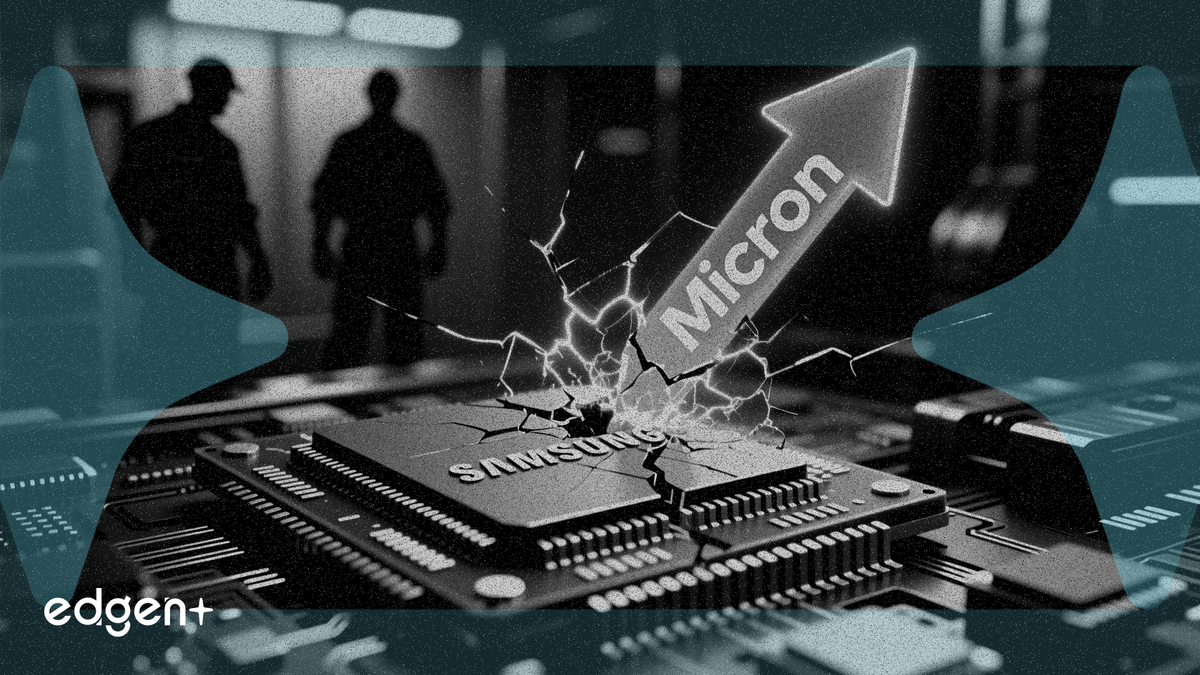
주요 경쟁사인 삼성전자가 4만 5천 명 이상의 직원이 참여하는 파업을 피하기 위해 막판 협상에 들어갔다는 소식에 마이크론 테크놀로지의 주가가 상승했습니다. 이번 파업은 AI 데이터 센터에 필수적인 메모리 칩의 글로벌 부족 현상을 악화시킬 위험이 있습니다.
노조는 성명을 통해 "협상이 타결되지 않을 경우 법원 판결이 우리의 파업 추진을 막지는 못할 것"이라며 진지하게 협상에 임할 것을 약속했습니다.
잠재적인 18일간의 산업 행동은 삼성과 라이벌인 SK하이닉스가 시장의 약 80%를 점유하고 있는 고대역폭 메모리(HBM) 칩의 심각한 글로벌 부족 현상과 맞물려 있습니다. 한국 법원이 파업이 생산을 방해하거나 제조 원자재를 훼손해서는 안 된다는 판결을 내리며 가처분 신청을 일부 인용하자 삼성전자 주가는 최대 6.7% 상승했습니다.
한국 수출의 거의 4분의 1을 차지하는 삼성의 중대한 생산 차질은 메모리 시장을 더욱 위축시켜 마이크론(MU)과 SK하이닉스 같은 경쟁사들에게 이익이 되는 한편, AI 가속기를 위해 안정적인 HBM 공급에 의존하는 엔비디아와 같은 주요 고객사들의 가격 상승을 초래할 수 있습니다.
이번 분쟁은 반도체 산업에 있어 매우 중요한 시기에 발생했습니다. 지난 1년 동안 거대 IT 기업들이 AI 데이터 센터 구축에 수십억 달러를 쏟아부으면서 메모리 칩, 특히 HBM에 대한 수요가 급증했습니다. 이는 칩 제조업체들에게 수요를 맞추기 위해 생산을 늘리면서도 가격 폭락을 초래할 수 있는 공급 과잉을 만들지 않아야 하는 미묘한 균형을 요구하고 있습니다. 이는 업계의 흔한 호황과 불황의 주기입니다.
삼성과 SK하이닉스는 기존 시설을 업그레이드하고 신규 시설을 건설하는 등 글로벌 생산량 확대를 진행 중입니다. 삼성은 새 공장 건설을 가속화하고 있지만, 2028년까지는 의미 있는 생산이 시작되지 않을 것으로 예상됩니다. 장기화된 파업은 이러한 확장 계획을 위태롭게 하고 공격적으로 생산 능력을 확장하고 있는 경쟁사들에게 시장 점유율을 내줄 수 있습니다. 언론 보도에 따르면 삼성 반도체 부문 임원들은 엔비디아와 같은 고객사들이 우려를 표명했으며, 품질 보증 문제로 인해 파업 기간 동안 일시적으로 출하물 수령을 중단할 수 있음을 시사했다고 전했습니다.
한국 정부는 파업이 국가 경제 성장과 수출에 중대한 위험을 초래할 수 있다는 우려를 표명했습니다. 김민석 국무총리는 정부가 위원회의 중재가 진행되는 30일 동안 산업 행동을 금지하는 긴급 조정권을 포함한 모든 옵션을 검토할 것이라고 밝혔습니다.
이 기사는 정보 제공만을 목적으로 하며 투자 조언을 구성하지 않습니다.
