
Key Takeaways:
- Miles Guo sentenced to 30 years for defrauding over 1,000 investors of $1 billion
- His fraudulent H-Coin token raised $500 million from investors
- Guo ordered to forfeit $889 million, a mansion and luxury cars
Key Takeaways:
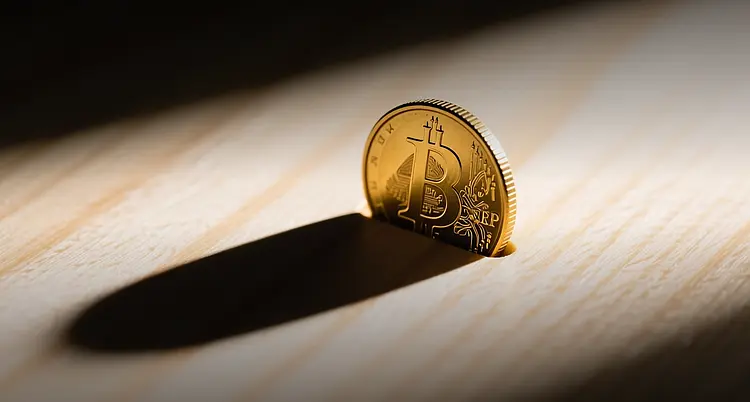
A U.S. judge sentenced exiled Chinese billionaire Miles Guo to 30 years in prison for defrauding more than 1,000 investors of over $1 billion through bogus ventures including a fraudulent crypto token called H-Coin.
"Guo led a massive scheme to steal more than $1 billion through lies and deception from thousands of Americans and victims around the world," Deputy U.S. Attorney Sean Buckley said in a statement.
Guo, 55, also known as Ho Wan Kwok, was convicted in 2024 on nine counts including racketeering, fraud and money laundering. Prosecutors said he raised over $1 billion from 2018 to 2023 through fake investments tied to his GTV Media Group and Himalaya entities, including the H-Coin token that he claimed was 20 percent backed by gold. Judge Analisa Torres ordered him to forfeit $889 million, a New Jersey mansion and luxury cars including a Rolls Royce Phantom and a Bugatti.
The sentencing closes a chapter on one of the most high-profile crypto fraud cases tied to U.S. political figures. Guo, who had close ties to former Trump strategist Steve Bannon and was a member of Trump's Mar-a-Lago club, had cast himself as a persecuted Chinese dissident. China's Ministry of Foreign Affairs said Guo is wanted by Beijing and has an Interpol Red Notice against him.
Guo fled China in 2014 and reinvented himself as a U.S.-based critic of the Chinese Communist Party. He grew close to Bannon, with the two announcing a joint initiative to overthrow the Chinese government in 2020. Bannon was arrested on Guo's 150-foot yacht in 2020 on separate fraud charges, later receiving a presidential pardon.
Victims described losing their life savings. Wei Chen, who testified at trial, told the judge the fraud "destroyed my life" and that of her family. Judge Torres said Guo "takes no responsibility for his actions and instead insists incredibly his conduct caused no loss and harmed no one."
The H-Coin scheme alone pulled in $500 million from investors who were told the token was backed by gold and that the operation would cover 100 percent of losses — claims prosecutors said were entirely fabricated. Guo used investor money to fund a lifestyle of mansions, yachts, race cars and designer goods, according to court filings.
The case highlights the risks of unverified crypto projects promising guaranteed returns, particularly those tied to political figures seeking to lend credibility to fraudulent ventures. Guo's sentencing may serve as a deterrent for similar schemes that use political connections and dissident narratives to attract investors.
This article is for informational purposes only and does not constitute investment advice.
