
The average rate on a 30-year fixed mortgage climbed to 6.72 percent, adding significant costs for homebuyers as elevated Treasury yields ripple through the economy.
The average rate on a 30-year fixed mortgage climbed to 6.72 percent, adding significant costs for homebuyers as elevated Treasury yields ripple through the economy.
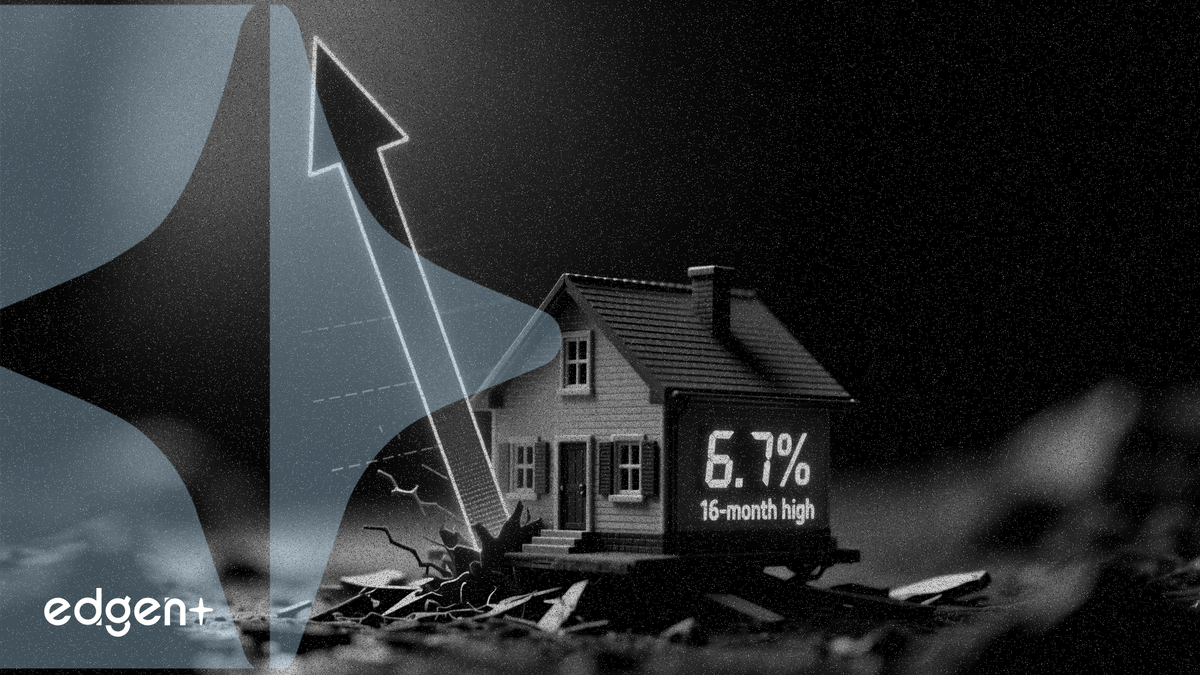
U.S. mortgage rates jumped to their highest level since August, pushed higher by a surge in Treasury yields as persistent inflation fears rattled bond investors. The 10-year U.S. Treasury yield, a key benchmark for mortgage rates, touched a 16-month high of 4.7 percent this week.
"It’s really all about the Iran war and its inflationary impact," Ted Rossman, a senior industry analyst at Bankrate, told ABC News. The conflict has contributed to a spike in energy prices, with Brent crude recently rising to $107.66 a barrel, fueling concerns that inflation will remain elevated and keep pressure on the Federal Reserve.
The sharp rise in yields has had a direct and immediate effect on borrowing costs. The average interest rate for a 30-year fixed mortgage now stands at 6.72 percent, a three-quarters of a percentage point increase since before the conflict began, according to data from Mortgage News Daily. This move makes homeownership more expensive, with each percentage-point rise potentially adding thousands of dollars in annual costs. The 30-year Treasury yield, sensitive to long-term risks, also advanced, touching its highest point since 2007 and recently trading above 5.13 percent.
The sustained increase in borrowing costs threatens to cool the housing market by reducing affordability and demand. The pressure on rates comes as recent data showed inflation remains hot, with the April Consumer Price Index rising 3.8 percent annually. As a result, futures markets now see a 37 percent chance of a Fed rate hike by December, a stark reversal from expectations of rate cuts earlier in the year. For prospective homebuyers, the calculus has shifted, with some analysts suggesting it may be better to wait for a potential economic downturn that could bring rates lower, while others argue that trying to time the market is a futile exercise.
This article is for informational purposes only and does not constitute investment advice.
