
Key Takeaways:
- Russia operates 42 icebreakers versus two for the United States
- NATO's Arctic Sentry drill involved 30,000 troops in March
- Investment needs could run into hundreds of billions of dollars
Key Takeaways:
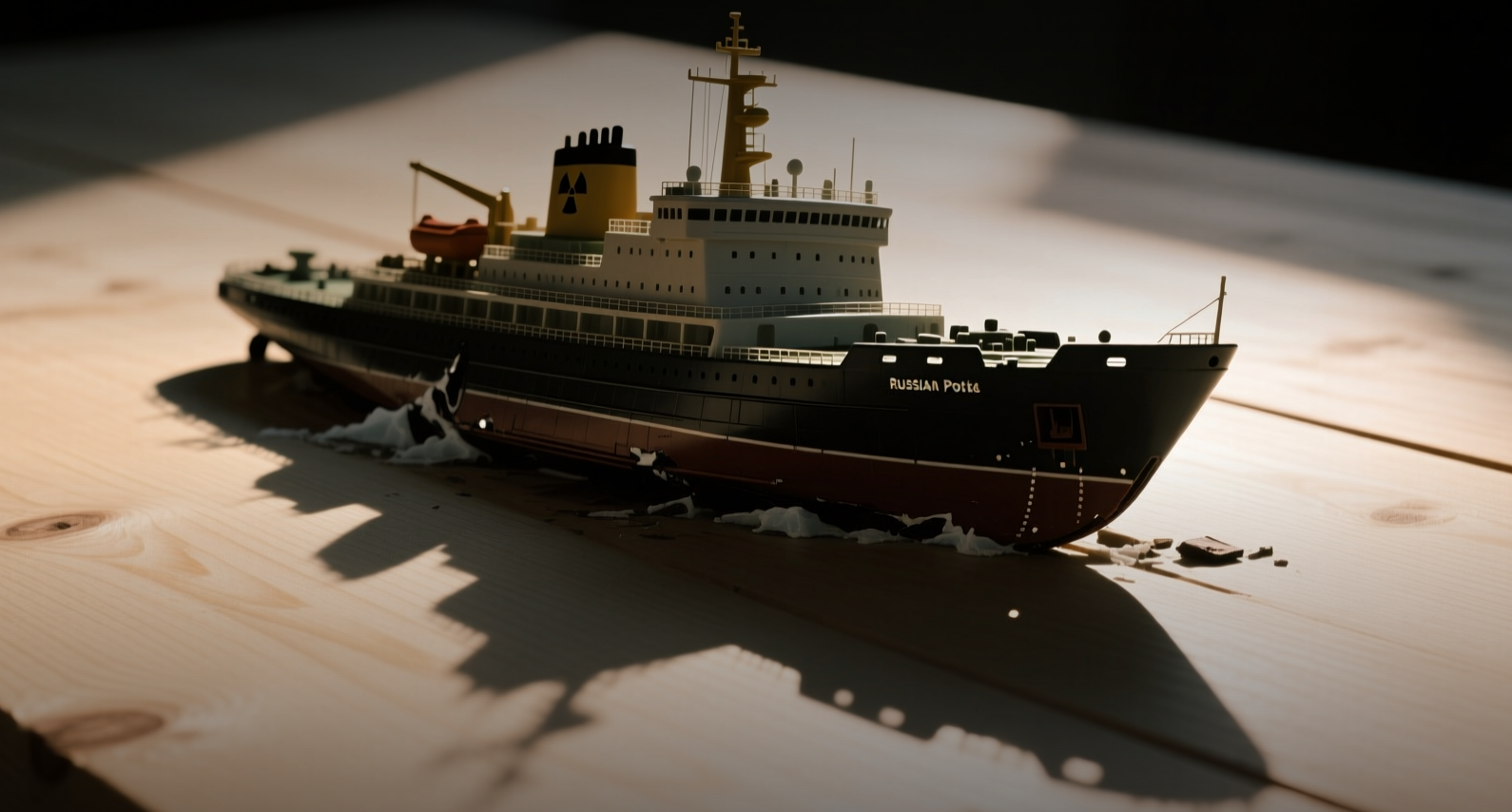
NATO's Arctic Sentry pledge to Washington faces a yawning gap between ambition and the hundreds of billions needed to counter Russia's northern buildup.
NATO allies promised the U.S. they would secure the Arctic, but closing a defense gap that could run into hundreds of billions of dollars requires investments in icebreakers, submarines and satellites that strain budgets already stretched by the war in Ukraine.
"No major power in the 21st century will be able to maintain its position on the global scene without, in one way or another, having a strong presence in the Arctic," Olafur Ragnar Grimsson, an ex-Icelandic president who chairs the Arctic Circle forum, told Reuters.
Russia operates 42 icebreakers, some nuclear-powered, versus two for the United States. The Kola Peninsula bordering Finland and Norway houses about two-thirds of Russia's second-strike nuclear capabilities, including six of its 12 nuclear-armed submarines. NATO's March exercise Arctic Sentry involved 30,000 troops rehearsing a counter-attack against Russia, but the alliance faces a shortfall in intelligence, surveillance and reconnaissance capacity in extreme conditions where temperatures hit minus 45 degrees Celsius.
The stakes extend beyond military posture. Melting ice is opening new Arctic shipping routes and access to mineral resources in a region larger than the U.S., while China has increased its interest. With Trump threatening to leave NATO and Washington withdrawing troops and equipment from Europe, the July NATO summit in Ankara will test whether allies can deliver on their promises without U.S. backing.
The Icebreaker Gap
Russia's fleet of 42 icebreakers gives it a decisive advantage in a region that is mostly ocean across Greenland, Iceland, northern Norway and the Barents Sea, where any security presence must be primarily naval. The U.S. and Finland are teaming up to build as many as six icebreakers, with the first due next year, but that barely narrows the gap. Mauro Gilli, a professor of military strategy at the Hertie School in Berlin, estimated total investment needs could run into hundreds of billions of dollars, spanning satellites, long-endurance drones that work in extreme cold, expanded underwater surveillance and ground-based radars.
Climate change is compounding the challenge. Warming oceans in the North Atlantic are altering how sound travels through water, shrinking the range at which submarines can be detected, according to NATO Defense College research from 2025. Norwegian Defense Minister Tore Sandvik said in January that losing the ability to track Russian submarines in the Barents Sea would create a strategic problem. A Russian intelligence ship was observed monitoring NATO exercises between Iceland and Greenland in June, the Icelandic government said.
Allies Step Up, But Gaps Remain
Nordic countries are among the biggest defense spenders in the alliance and on track to meet NATO's target of 5% of gross domestic product by 2035. Canada unveiled a C$35 billion ($25.7 billion) Arctic defense plan in March covering military airfields and infrastructure. The United Kingdom is doubling to 2,000 the number of Royal Marines permanently deployed to Norway. In June, NATO activated a new grouping of 600 soldiers based in Sweden and Finland's Lapland regions.
Yet Iris Ferguson, a former U.S. deputy assistant secretary of defense for Arctic and global resilience between 2022 and 2025, said prioritizing the region is difficult when a hot war is burning in Eastern Europe. The U.S. last month announced cuts to its NATO crisis force contributions including fighter jets, drones and ships, while Norway joined France's nuclear deterrence initiative in June — a move that would have been unthinkable before Trump's threats to withdraw from the alliance.
The last time the alliance faced a comparable capability gap in a strategic theater was during the Cold War, when NATO spent decades building up its Northern flank against the Soviet Union. That buildup took more than a decade and required sustained U.S. leadership — exactly what European allies can no longer count on.
This article is for informational purposes only and does not constitute investment advice.
