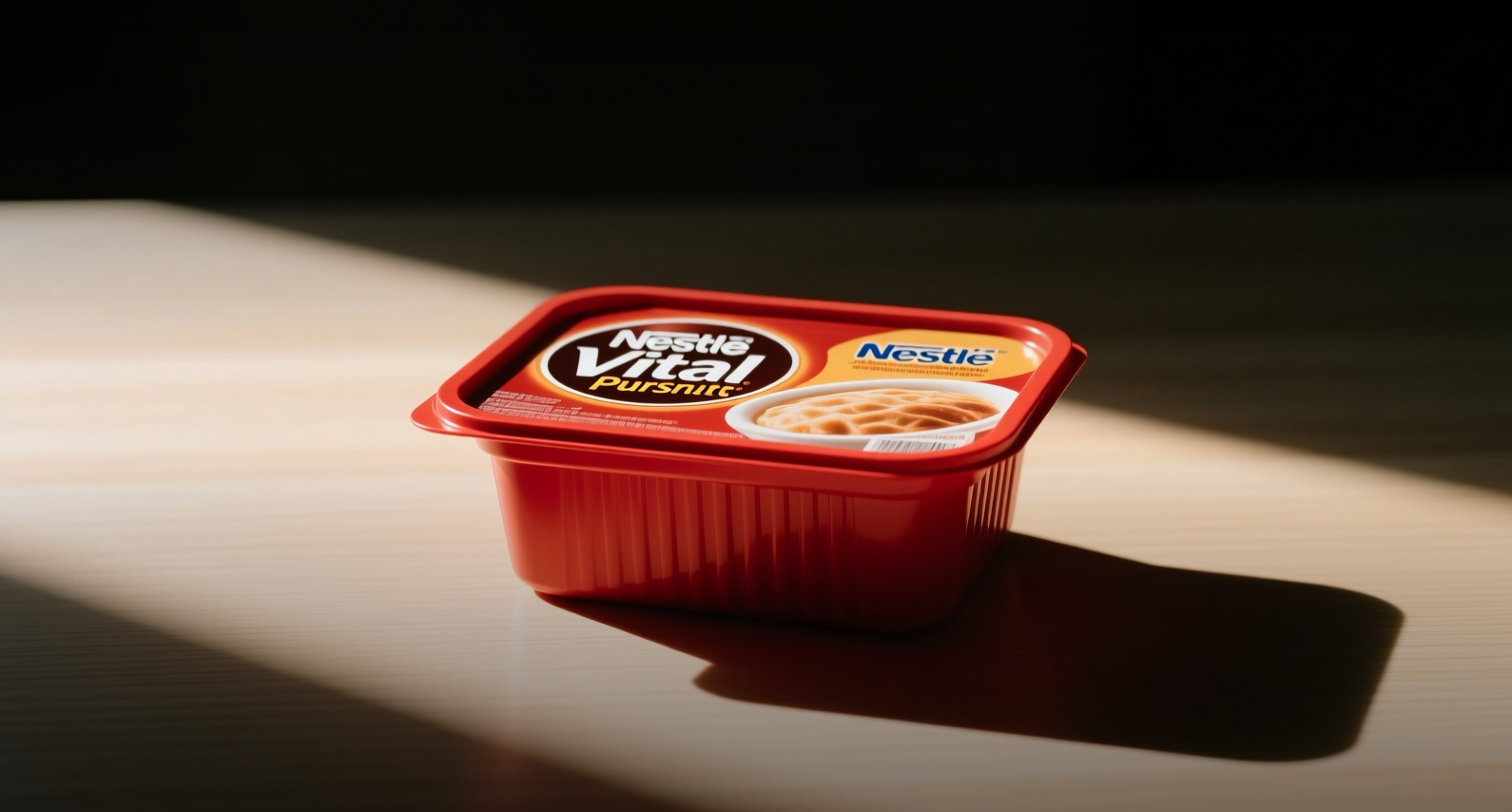
Nestlé is reformulating some of its packaged foods to counter the dulled taste perception and reduced appetite caused by GLP-1 weight-loss drugs, the company's marketing chief said, as the Swiss food giant adapts to a structural shift in consumer eating habits.
"People don't want to eat as much on GLP-1s, and also your taste profile changes," David Rennie, chief marketing officer at Nestlé, said in an interview with The Wall Street Journal. "GLP-1s sort of dulls your taste profile."
The company has been testing packaged foods on consumers taking the medications to understand how flavor perception shifts, Rennie said. Nestlé's chefs are working directly with GLP-1 users during recipe development, adding spices and pepper to compensate for diminished taste sensitivity. A study published in a 2025 volume of Physiology & Behavior found that perception of all five basic taste qualities — sweet, sour, salty, bitter and umami — was depressed by GLP-1 drugs.
Nestlé has introduced a frozen meal line called Vital Pursuit specifically for people on weight-loss drugs, though Rennie said not all consumers want explicit GLP-1 labeling. The company is taking a more subtle approach with many products — printing clearer nutrition labels, adjusting portion sizes and rolling out high-protein and high-fiber formats. In the snacking category, Rennie said GLP-1 users tend to gravitate toward premium, reduced-size treats over conventional portion formats. Nestlé has also introduced a high-protein version of its chocolate malt Milo drink.
The recipe adjustments come as food companies face pressure from the growing adoption of GLP-1 medications, which suppress appetite and lead users to eat smaller portions and fewer snacks. A growing number of large US employers are pulling back on GLP-1 coverage heading into 2027 due to rising health care costs, even as per-unit drug prices have declined. The patient population continues to expand, including through new pill-form versions of the medications that have drawn in users who previously avoided injectable treatments, keeping overall costs elevated for employers.
The broader packaged food industry is watching closely. Competitors such as PepsiCo and Mondelez International face similar exposure to changing snacking habits among GLP-1 users, while restaurant chains including McDonald's and Yum! Brands are also adapting menus around higher protein demand and smaller portion formats. Nestlé's approach of subtle reformulation rather than explicit GLP-1 branding reflects the sensitivity required in marketing to this demographic — users have different medical and emotional needs, Rennie said.
The reformulation strategy suggests Nestlé views GLP-1 adoption as a lasting consumer trend rather than a temporary shift. Investors will watch whether the product adjustments can offset potential volume declines in core snacking categories as drug use expands and whether the strategy gives Nestlé an edge over competitors in capturing this growing consumer segment.
This article is for informational purposes only and does not constitute investment advice.