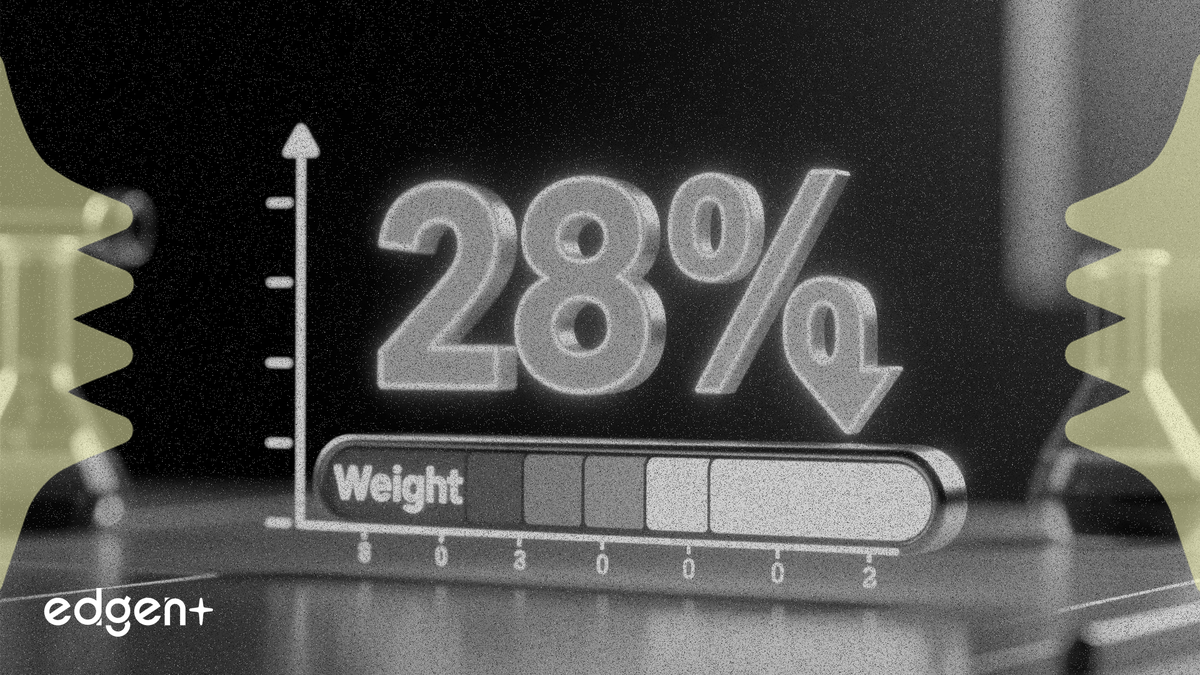
(P1) Yeni veriler, Novo Nordisk A/S'nin (NYSE: NVO) kilo verme ilacı Wegovy'nin daha yüksek bir dozunun, kritik bir hasta grubunda ortalama yaklaşık %28 kilo kaybı elde edilmesine yardımcı olduğunu göstererek rakibi Eli Lilly and Company (NYSE: LLY) ile olan rekabette çıtayı yükseltti.
(P2) Çalışmanın araştırmacılarından ve Tel-Aviv Üniversitesi'nde klinik doçent olan Dr. Dror Dicker yaptığı açıklamada, "Erken kilo kaybı, semaglutidden kimin en fazla kilo kaybını elde edeceğinin bir göstergesi olabilir. Ancak 'erken' tedavi yanıtı almayanların bile önemli ve klinik olarak anlamlı bir kilo kaybı yaşadığını vurgulamak önemlidir," dedi.
(P3) Avrupa Obezite Kongresi'nde sunulan STEP UP denemesinin yeni alt analizi, ilk 24 haftada vücut ağırlığının %15 veya daha fazlasını kaybeden 7,2 mg semaglutid dozundaki hastaların 72 hafta sonunda ortalama %27,7 kilo kaybına ulaştığını buldu. Bu "erken yanıt veren" grup, yüksek dozdaki katılımcıların yaklaşık %27'sini oluşturuyordu. Genel olarak, 7,2 mg'lık doz, standart 2,4 mg'lık doz için %17,5 olan orana kıyasla, tüm katılımcılarda ortalama %20,7 kilo kaybı sağladı.
(P4) Veriler, 2035 yılına kadar 125 milyar dolara ulaşması beklenen obezite ilacı pazarındaki hakimiyet mücadelesinde Novo Nordisk'e taze güç sağlıyor. Sonuçlar, pazar payını hızla ele geçiren ve ABD'li ilaç üreticisi için önemli bir gelir artışı sağlayan Eli Lilly'nin güçlü tedavileri Zepbound ve Mounjaro'ya doğrudan meydan okuyor.
Kilo Kaybının Kalitesi
Vücut kompozisyonuna odaklanan ayrı bir analiz, Novo Nordisk için daha fazla olumlu sonuç sağladı. 55 deneme katılımcısından oluşan bir alt grupta yapılan MRI taramaları, hem 2,4 mg hem de 7,2 mg semaglutid dozlarıyla kaybedilen kilonun %84'ünün yağ kütlesindeki azalmadan kaynaklandığını gösterdi.
En önemlisi çalışma, önemli miktarda kilo kaybına rağmen fonksiyonel kas gücünün korunduğunu buldu. Bu, hem hastalar hem de doktorlar için GLP-1 tedavileriyle elde edilen kilo kaybının kalitesine ilişkin temel bir endişeyi gideriyor. Kardiyometabolik riskle yakından ilişkili olan abdominal visseral yağ %30'dan fazla azaldı.
Novo Nordisk Başkan Yardımcısı Emil Kongshøj Larsen, "Bu çalışmalar, Wegovy ile kilo kaybının ağırlıklı olarak yağdaki azalmalarla sağlandığını, kas fonksiyonunun ise korunduğunu gösteriyor," dedi.
Daha Geniş Rekabet Alanı
Yüksek doz için elde edilen güçlü etkinlik verileri, artan fiyat baskısı ve yoğun rekabetle karşı karşıya kalan Novo Nordisk için kritik bir zamanda geldi. Danimarkalı şirket Wegovy enjeksiyonu ile ilk hamle avantajına sahip olsa da, Eli Lilly rakip ürünleri için büyük bir talep gördü. 2026'nın ilk çeyreğinde Lilly, Zepbound ve Mounjaro satışlarının toplam gelirlerinin %60'ından fazlasını oluşturduğunu bildirdi.
Rekabet, daha kullanışlı bir oral hap üretme yarışında da kızışıyor. Eli Lilly, Nisan 2026'da günde bir kez kullanılan hapı Foundayo için FDA onayı alarak, Novo Nordisk'in Ocak 2026'da piyasaya sürülen Wegovy oral versiyonuna meydan okudu.
Yeni yüksek etkinlik verileri, Novo Nordisk'in pazar payını korumasına ve Wegovy için premium fiyatlandırmayı haklı çıkarmasına yardımcı olabilir. Sonuçlar, her hastanın aynı şekilde yanıt vermediğini ve daha yüksek dozların anlamlı bir kullanıcı alt grubu için önemli ölçüde daha iyi sonuçlar üretebileceğini gösteriyor.
Bu yeni veriler, Novo Nordisk'in rekabetin yoğun olduğu obezite pazarındaki konumunu güçlendiriyor. Yatırımcılar şimdi doktorların bu yüksek doz verilerini reçete alışkanlıklarına nasıl dahil edeceklerini ve Eli Lilly'nin Zepbound ilacının ivmesini yavaşlatıp yavaşlatamayacağını izleyecek.
Bu makale sadece bilgilendirme amaçlıdır ve yatırım tavsiyesi teşkil etmez.