주요 요점:
- 엔비디아의 Vera CPU가 GPU 외에 2,000억 달러 규모의 새로운 시장을 열다
- 주가는 선행 주가수익비율 22배 수준으로, AMD 47배, 인텔 95배 대비 낮은 수준
- H200 칩은 허가를 받았으나 아직 배치되지 않아 중국 불확실성 지속
주요 요점:
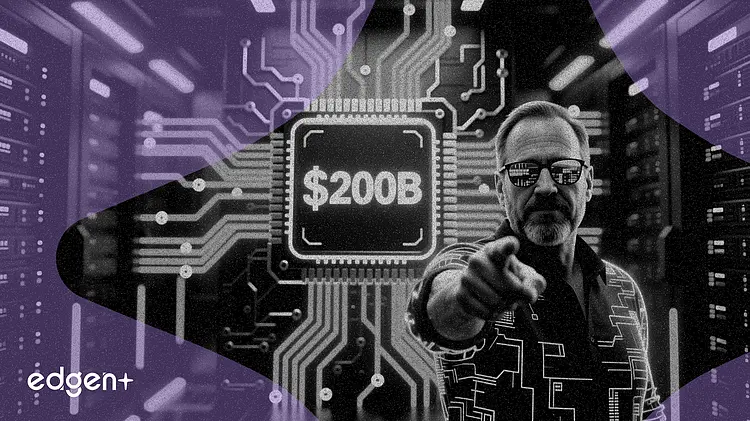
젠슨 황의 2,000억 달러 CPU 시장 전망은 엔비디아가 GPU 공급업체에서 풀스택 AI 컴퓨팅 플랫폼으로 변모하고 있음을 시사한다.
엔비디아 최고경영자 젠슨 황은 자사의 Vera CPU 아키텍처가 2,000억 달러 규모의 새로운 시장을 열어준다고 밝혔다. 이는 5조 달러의 시가총액을 견인해온 기존 그래픽처리장치(GPU)를 넘어 AI 사업 기회를 확장하는 것이다.
"Vera CPU는 엔비디아에 약 2,000억 달러 규모의 새로운 시장을 제공한다"고 황 CEO는 지난주 실적 발표 컨퍼런스콜에서 밝히며, 이 추정치에는 중국 시장이 포함된다고 덧�였다. 중앙처리장치(CPU) 진출은 에이전틱 AI(Agentic AI)가 대규모 언어모델 학습에 사용되는 전통적인 GPU를 넘어 컴퓨팅 수요를 확장하고 있는 흐름에 맞춰 이뤄졌다.
팩트셋(FactSet) 데이터에 따르면 엔비디아는 14개 분기 연속 매출과 영업이익에서 애널리스트 전망치를 상회했다. 1분기 매출은 전년 동기 대비 85% 증가했으며, 회사는 현재 분기에 더 빠른 성장을 전망했다. 이러한 호실적에도 불구하고 주가는 압박을 받아왔으며, 선행 주가수익비율(PER)은 약 22배 수준에 머물고 있다. 이는 AMD의 약 47배, 인텔의 약 95배에 크게 못 미치는 수치다.
CPU 사업 확장은 엔비디아가 데이터센터 프로세서 시장에서 인텔 및 AMD와 더 직접적으로 경쟁할 수 있는 위치를 마련해준다. 해당 시장은 연간 약 2,000억 달러 규모로 평가된다. 황 CEO의 발언은 엔비디아가 더 이상 GPU 가속 컴퓨팅 계층만 장악하는 데 만족하지 않고, CPU, 네트워킹, 소프트웨어, 인프라 등 전체 스택을 공급하겠다는 의지를 보여준다.
중국 문제는 여전히 미해결 과제
중국은 엔비디아 투자자들에게 가장 큰 불확실성 요인 중 하나로 남아 있다. 엔비디아는 미국 정부로부터 특정 제한 조건 하에 H200 칩을 중국에 판매할 수 있는 허가를 받았으나, 중국 당국은 베이징이 자국 반도체 공급업체를 우선시하면서 아직 광범위한 배치를 승인하지 않았다.
"H200은 중국으로 선적이 허가됐다. 그 시장에 서비스를 제공할 수 있다면 좋은 일이 될 것"이라고 황 CEO는 지난 주말 대만에서 말했다. "중국 시장은 매우 중요하다. 물론 매우 크다."
로이터 통신에 따르면 미국은 약 10개 중국 기업의 엔비디아 H200 칩 구매를 승인했지만, 아직까지 실제 인도는 이뤄지지 않았다. 황 CEO는 최근 엔비디아가 중국 시장의 상당 부분을 화웨이(Huawei)에 사실상 양보했다고 인정한 바 있다. 베이징의 지원 속에 중국 현지 대체재들이 힘을 얻고 있기 때문이다.
실적 우위에도 불구하고 지속되는 밸류에이션 격차
팩트셋에 따르면 월스트리트의 엔비디아 평균 목표주가는 약 294달러로 상승했으며, 엔비디아를 커버하는 애널리스트 중 약 93%가 매수 등급을 유지하고 있다. 베어드(Baird), 골드만삭스(Goldman Sachs), 모건스탠리(Morgan Stanley) 등 주요 투자은행들은 실적 발표 후 목표주가를 상향 조정했다.
엔비디아의 시가총액은 현재 5조 2천억 달러를 넘어서며 세계에서 가장 가치 있는 상장 기업이 되었다. 블룸버그가 집계한 데이터에 따르면, 이 주식은 S&P 500의 연초 대비 9% 상승분 중 약 20%를 차지한다. 그럼에도 지수 내 503개 종목 중 57%만이 올해 플러스 수익률을 기록하고 있어, 랠리의 쏠림 현상이 얼마나 심각한지 보여준다.
투자자들에게 핵심 질문은 엔비디아의 밸류에이션이 확장되는 시장 기회를 적절히 반영하고 있느냐는 것이다. 선행 PER 22배에서, 이 주식은 AI 가속기 시장에서 지배적 위치를 차지하고 있으며 이제 2,000억 달러 규모의 CPU 시장까지 공략하고 있음에도 AI 경쟁사 대비 할인된 가격에 거래되고 있다. Vera 아키텍처가 하이퍼스케일 데이터센터 고객들에게 채택된다면 플랫폼 스토리는 재평가를 정당화할 수 있다. 그러나 중국이 H200 배치를 차단하거나 AMD와 인텔이 CPU 시장에서 효과적인 반격에 나선다면, 밸류에이션 배수는 더욱 압축될 수 있다.
본 기사는 정보 제공 목적으로만 작성되었으며 투자 조언을 구성하지 않습니다.
