
Key Takeaways: Nvidia's CFO confirmed the chipmaker has deployed more than $50 billion into AI laboratories, cementing its dual role as silicon supplier and financial backer.
Key Takeaways: Nvidia's CFO confirmed the chipmaker has deployed more than $50 billion into AI laboratories, cementing its dual role as silicon supplier and financial backer.
Nvidia has invested more than $50 billion in AI laboratories, the company's CFO said Wednesday, a figure that shows the chipmaker's strategy now extends beyond selling GPUs to funding the labs that buy them.
The disclosure, reported by Cailianshe, comes as Nvidia prepares to report quarterly results expected to show revenue near $92 billion, nearly double from a year earlier, according to analyst estimates cited by The Business Times. The investment figure follows Nvidia's $6 billion licensing agreement with AI startup Poolside announced Aug. 20, which extended job offers to more than 100 of the company's employees.
The $50 billion spans direct equity stakes, compute credits, and infrastructure partnerships across the AI sector. Nvidia's portfolio includes the Poolside deal for coding models aimed at government and defense customers, alongside internal development of its open-weight Nemotron models. CEO Jensen Huang organized an open letter in July urging against "premature restrictions on open models," signed by leadership across the AI sector.
The strategy creates a circular dynamic: Nvidia funds AI labs, those labs buy Nvidia chips, and the resulting model improvements drive broader AI adoption that increases demand for Nvidia's silicon. With Nvidia shares having fallen for seven consecutive sessions before earnings, investors are watching whether this capital deployment translates into sustainable revenue growth.
Nvidia's $50 billion in AI lab investments sits alongside a broader wave of infrastructure spending reshaping the industry. Anthropic alone has committed more than $100 billion to Amazon for chips and cloud infrastructure over the next decade, signed a $45 billion computing deal with Nscale for 460 megawatts of capacity in West Virginia, and arranged a $50 billion arrangement with Fluidstack plus a $10 billion agreement with Volta Infra Holdings. The company also signed a computing deal with SpaceX for more than 300 megawatts at the Colossus 1 data center in Memphis.
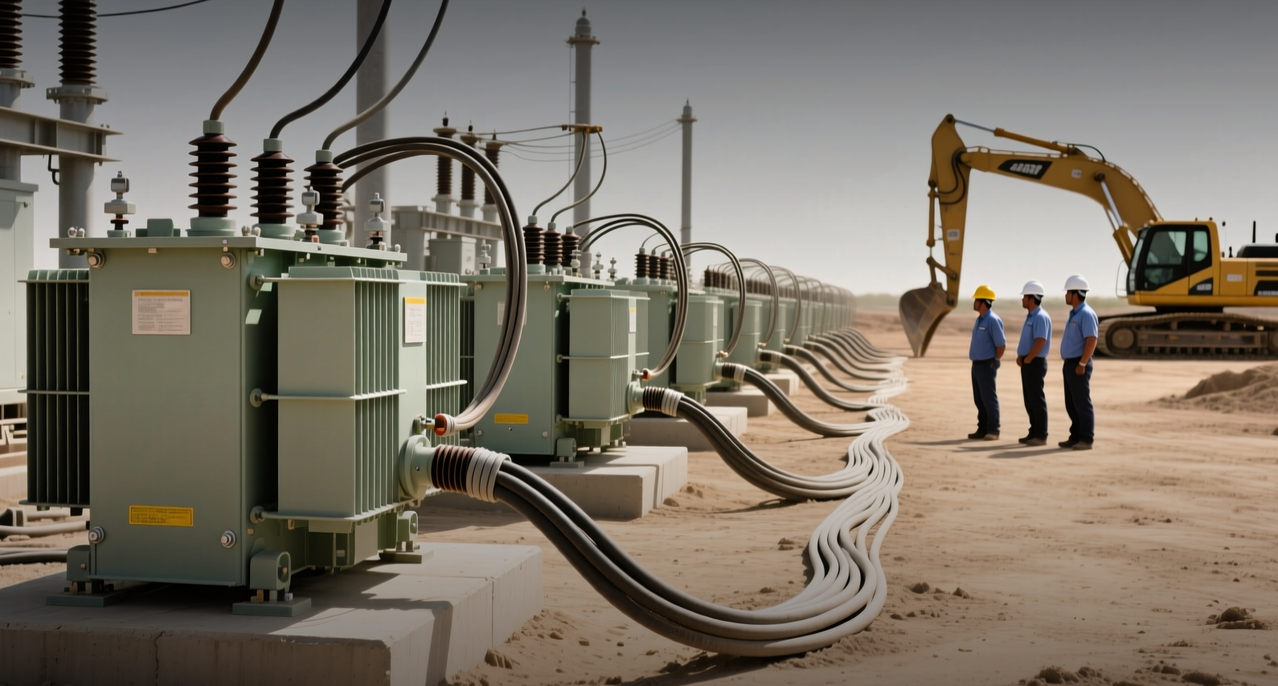
These deals reveal the physical constraints of the AI boom. GPUs are scarce, but sites with enough power are scarcer. Grid connections, transformers, cooling equipment, and construction crews do not arrive just because an AI lab's revenue chart points upward. Nvidia's investment strategy puts the company at both ends of this bottleneck — as the chip supplier and as the equity holder in the labs consuming those chips.
The investment comes as Nvidia faces pricing pressure from open-weight models. At Vercel, a model routing platform, open-weight model share has grown from 33 percent of tokens to 54 percent in under two months. DeepSeek's V4 Flash model now costs roughly $0.66 per million output tokens during off-peak hours, a fraction of the $50 per million output tokens charged by Anthropic's most expensive model. OpenAI cut the price of its frontier GPT-5.6 Sol model by more than 20 percent, while Grok 4.6 scores just behind the most powerful models at roughly 60 percent lower cost.
Nvidia's response has been to double down on open models rather than resist them. The Poolside deal brings coding models and researchers, while Nemotron development continues internally. The bet is that widely available, capable models drive broader AI adoption and usage, which fuels the core of Nvidia's business — selling compute capacity.
Nvidia shares, which have fallen for seven consecutive sessions, face an important test with earnings this week. Options markets point to a potential $280 billion swing in market value after the report, according to Bloomberg data. The $50 billion investment disclosure adds another layer to the story: Nvidia is not just selling the picks and shovels of the AI gold rush — it is buying stakes in the miners themselves.
This article is for informational purposes only and does not constitute investment advice.
