
Les nouvelles hostilités entre les États-Unis et l'Iran ont propulsé le Brent au-dessus de 97 $ le baril et ont déclenché un large mouvement de repli face au risque sur les marchés boursiers mondiaux mercredi.
Les nouvelles hostilités entre les États-Unis et l'Iran ont propulsé le Brent au-dessus de 97 $ le baril et ont déclenché un large mouvement de repli face au risque sur les marchés boursiers mondiaux mercredi.
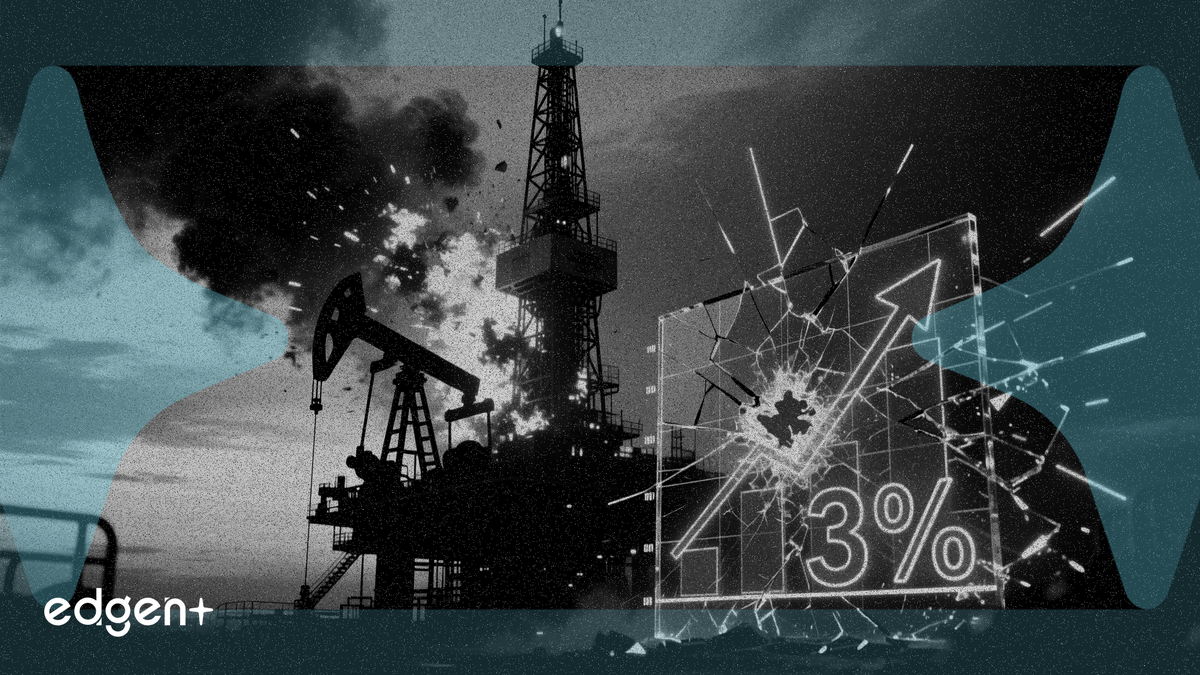
Un nouvel échange de frappes entre les forces américaines et iraniennes a poussé le Brent au-dessus de 97 $ le baril mercredi, inversant l'optimisme suscité par un accord de paix lors de la séance précédente et plongeant les marchés boursiers mondiaux dans un mouvement de repli face au risque, les traders réévaluant la probabilité d'une perturbation durable de l'approvisionnement via le détroit d'Ormuz.
« Le marché oscille entre espoirs de cessez-le-feu et réalité de l'escalade — chaque titre réécrit la prime de risque pétrolier », a déclaré Helima Croft, responsable de la stratégie mondiale des matières premières chez RBC Capital Markets. « Tant qu'il n'y aura pas d'accord vérifiable, chaque échange militaire sera accueilli par une réponse disproportionnée des prix, étant donné la faible capacité de réserve disponible pour remplacer les volumes transitant par Ormuz. »
Les contrats à terme sur le Brent ont gagné 3 % à 97,29 $ le baril, tandis que le West Texas Intermediate a progressé de 3,4 % à 91,71 $, effaçant les pertes de mardi provoquées par des rapports indiquant qu'un projet d'accord de paix prévoyait un retour aux niveaux d'expédition d'avant-guerre dans le détroit d'Ormuz sous 30 jours. Le S&P 500 a chuté de plus de 2 %, et le rendement du Trésor américain à 10 ans a glissé à 4,48 % alors que les investisseurs se sont tournés vers la dette souveraine. L'or a légèrement progressé tandis que l'indice du dollar américain s'est renforcé, reflétant un schéma classique de fuite vers la sécurité.
Le détroit d'Ormuz assure environ 21 % de la consommation mondiale de pétrole, et toute fermeture prolongée — même partielle — pourrait pousser le Brent au-dessus de 100 $ pour la première fois depuis 2022. Citi a indiqué dans une note mercredi que les marchés pétroliers trouvaient un terrain plus solide alors que les investisseurs intégraient des scénarios extrêmes, mais a mis en garde que l'incertitude quant au calendrier d'un éventuel accord maintenait les banques centrales en alerte. La banque a averti que la hausse prolongée des prix du brut commençait à se répercuter sur des pressions inflationnistes plus larges par le biais d'effets de second tour, incitant certains décideurs à adopter une position plus hawkish.
L'escalade militaire
Les Gardiens de la révolution iraniens ont déclaré jeudi avoir ciblé une base aérienne américaine vers 4 h 50, heure locale, selon l'agence de presse semi-officielle iranienne Tasnim, sans préciser le lieu. Cette annonce est intervenue après que les forces américaines ont lancé de nouvelles frappes en Iran contre un site militaire considéré comme une menace pour les troupes américaines et le transport maritime commercial via le détroit d'Ormuz, a déclaré un responsable américain à MS NOW. Les forces américaines ont également intercepté et abattu plusieurs drones iraniens.
Cet échange de représailles fait suite à une période d'accalmie relative après que des rapports plus tôt cette semaine ont suggéré que Washington et Téhéran se rapprochaient d'un accord. Les gros titres sur un accord de paix mardi avaient fait chuter le Brent de 5,3 % à 94,29 $ et déclenché un net rebond des valeurs du transport aérien, United Airlines gagnant 7 % et Carnival progressant de 5 % dans l'attente d'une baisse des coûts du carburant. Ces gains ont été largement effacés lors de la séance de mercredi.
Ce que cela signifie pour les marchés
La dernière fois que les tensions entre les États-Unis et l'Iran ont dégénéré en échanges militaires directs remonte à janvier 2020, lorsqu'une frappe de drone américain a tué le général Qassem Soleimani. Le Brent avait bondi de 4,5 % dans la foulée, mais avait cédé ses gains en deux semaines, les deux parties ayant signalé une désescalade. L'épisode actuel comporte des enjeux plus élevés en raison de la dimension du détroit d'Ormuz — l'Iran a déjà menacé de perturber cette voie navigable en réponse à une action militaire, et le canal reste le point de passage le plus important pour les flux pétroliers mondiaux.
Pour les investisseurs en actions, le risque est double : la hausse des prix du pétrole comprime les marges des entreprises dans les secteurs des compagnies aériennes, du transport maritime et de la consommation discrétionnaire, tandis que l'effet de transmission sur l'inflation pourrait retarder ou réduire le rythme des baisses de taux des banques centrales. Le secteur de l'énergie du S&P 500 a été le seul groupe positif lors de la séance de mercredi, gagnant environ 1,5 %, tandis que l'indice plus large a enregistré sa pire baisse sur une seule séance en trois semaines.
Cet article est fourni à titre d'information uniquement et ne constitue pas un conseil en investissement.
