
Brent crude topped $100 a barrel Wednesday, sending the Dow down 288 points and the S&P 500 down 0.25% as investors braced for higher inflation and a hawkish Federal Reserve.
Brent crude topped $100 a barrel Wednesday, sending the Dow down 288 points and the S&P 500 down 0.25% as investors braced for higher inflation and a hawkish Federal Reserve.
The S&P 500 fell 0.25% and the Dow dropped 288 points Wednesday as Brent crude topped $100 a barrel on Fed rate-hike concerns.
"Markets are increasingly pricing a prolonged Mideast conflict," Goldman Sachs commodities analysts wrote in a note to clients, forecasting Brent could exceed $120 a barrel if Persian Gulf oil flows stay low.
The international benchmark crossed the $100 threshold after the U.S. struck Iranian oil tankers linked to the Islamic Revolutionary Guard Corps, a response to missile attacks on American warships. West Texas Intermediate crude rose 1.4% to $94.35 a barrel, and the national average gasoline price held at $4.15 a gallon, up 14 cents from a month ago. Diesel set a record $5.90 a gallon over the weekend. The 10-year Treasury yield climbed to 4.79%, near its highest since autumn 2023, while two-year yields touched their highest since November 2024 as traders priced a stickier inflation path.
The oil shock lands ahead of Friday's consumer price report, expected to show August inflation eased to 3.3% from 3.4% — still well above the Federal Reserve's 2% target. The central bank meets next week, and sustained crude above $100 threatens to keep borrowing costs higher for longer, weighing on equity valuations across rate-sensitive sectors.
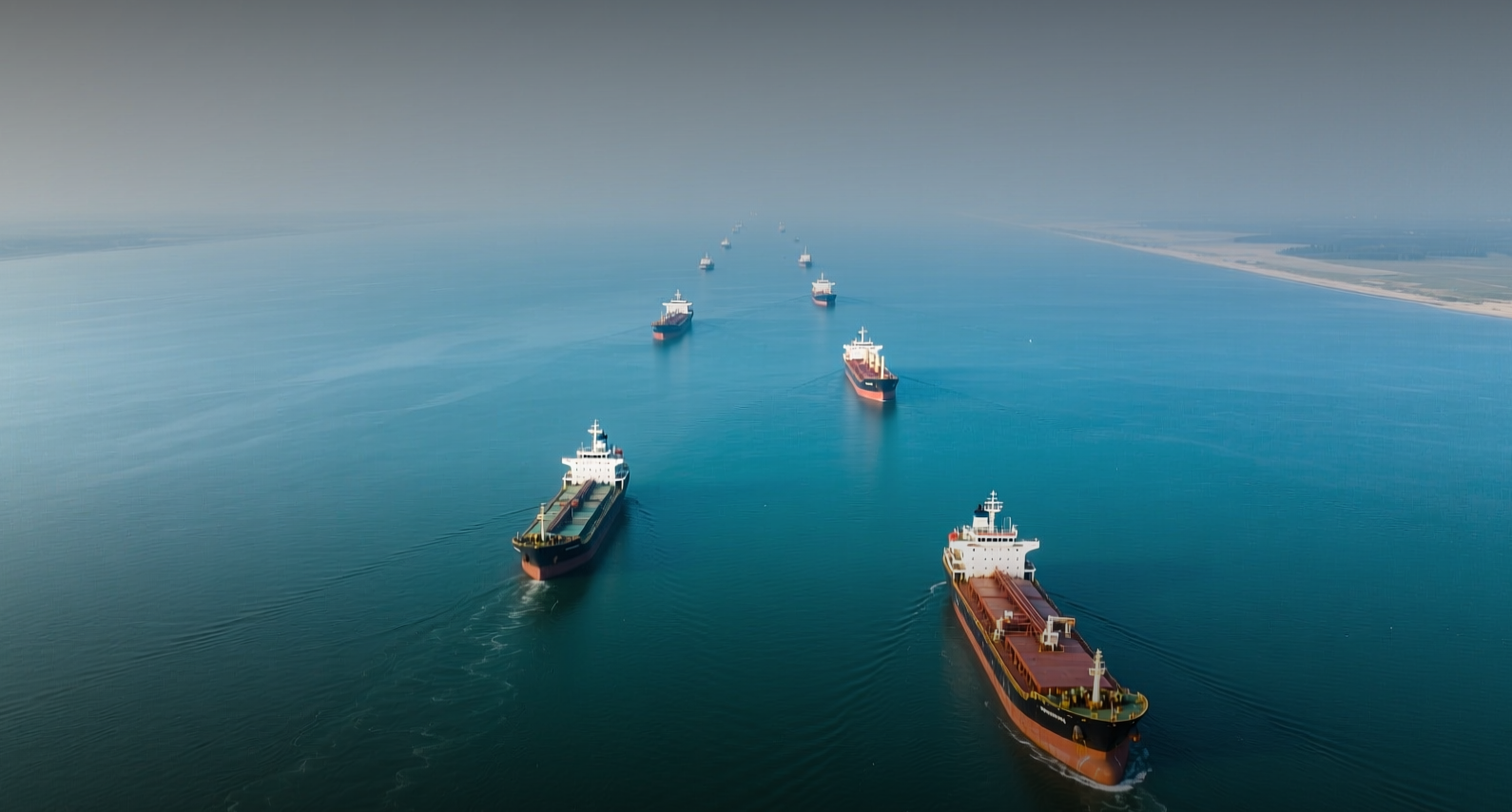
Tuesday's session had already set the tone, with the S&P 500 sinking 0.6 percent and the Dow dropping 1.2 percent as markets reopened after the Labor Day holiday. Brent has risen 36 percent since the U.S. and Israel launched their campaign against Iran on Feb. 28, when the benchmark traded near $70 a barrel, and is up more than 62 percent since the start of the year. Renewed hostilities have kept Strait of Hormuz traffic at a minimum, with just four ships passing through the waterway Saturday and six Sunday, against the more than 20 percent of the world's energy supply that normally transits the chokepoint.
Bank of America commodity strategist Francisco Blanch warned that if skirmishes curbing oil flows continue into year end, Brent would trade at $95 to $120 a barrel, and that a broader conflict causing major energy infrastructure damage could push prices to $150. HSBC analysts put their base case at about $95 through year end.
The equity reaction was concentrated in rate-sensitive corners of the market as yields climbed. Asian shares traded mixed Wednesday, with Japan's Nikkei 225 losing 0.2 percent to 65,142.78 and South Korea's Kospi gaining 1.4 percent to 7,051.64, while the dollar slipped to 153.33 yen from 153.99.
The trajectory of crude above $100 now sets the tone for the Fed's Sept. 17 decision. If the Friday CPI print confirms energy costs are feeding through to core prices, traders will push back expectations for any near-term easing, keeping the pressure on equities that have already priced a soft-landing scenario.
This article is for informational purposes only and does not constitute investment advice.
