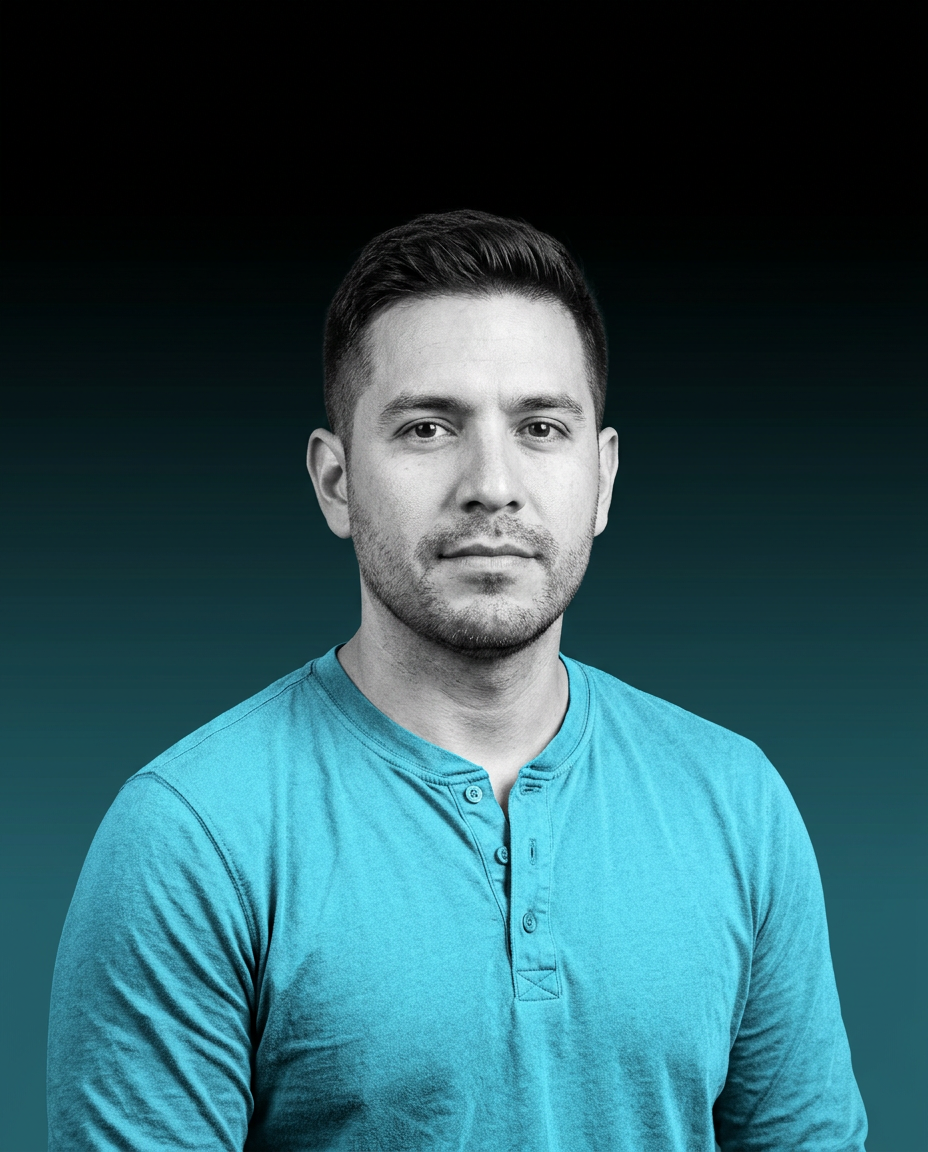


OpenAI's data center chief Chris Malone has left, the fourth senior executive to depart before a 2027 IPO.
OpenAI's data center chief Chris Malone has left, the fourth senior executive to depart before a 2027 IPO.
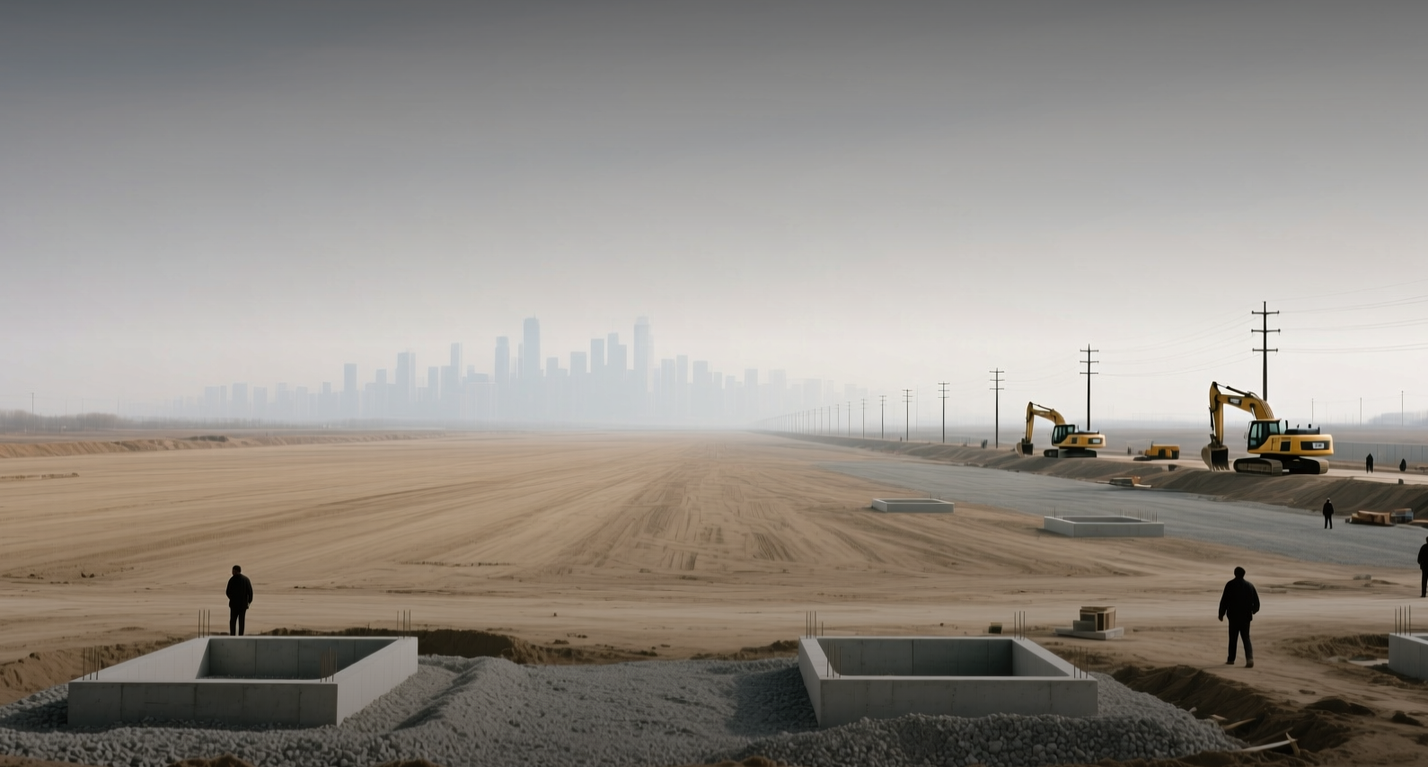
OpenAI's data center chief, Chris Malone, has left the company, the fourth senior executive to depart as the AI lab plans roughly $750 billion in compute spending through 2030 ahead of a 2027 IPO.
"We recently reorganized our infrastructure organization to support the scale and pace of our work," an OpenAI spokesperson said. "We have a strong, deeply experienced data center team in place, with clear leadership and the technical expertise to execute our plans."
Malone joined OpenAI in March 2025, months after the company unveiled Stargate, a joint venture with Oracle and SoftBank to build AI data-center capacity at scale. Before OpenAI, he was a distinguished engineer at Meta, where he led data-center strategy, and earlier a senior director at Google focused on data-center technology. His exit follows the departures of Chief Revenue Officer Denise Dresser, Chief Operating Officer Brad Lightcap, and Fidji Simo, who served as second-in-command to Chief Executive Sam Altman.
The turnover comes as OpenAI works to justify its $852 billion valuation ahead of a confidential IPO filing with the Securities and Exchange Commission in June. Chief Financial Officer Sarah Friar told employees this month the company "will be a public company in 2027." Oracle, a core Stargate partner, saw shares edge lower Tuesday on the news, reflecting investor concern over strategic continuity in a partnership that underpins the cloud provider's long-term infrastructure growth.
The infrastructure reshuffle began earlier this year, when OpenAI reorganized the group: Vice President Sachin Katti assumed oversight of the broader infrastructure team, reporting to President Greg Brockman, while Malone and Adrian Caulfield became co-heads of a data-center technical engineering team. In July, OpenAI elevated Uday Ruddarraju to chief technology officer of computing capacity, also reporting to Brockman. Brent Mayo, hired from Elon Musk's xAI earlier this year, reports to Ruddarraju and is responsible for keeping OpenAI's computing projects on schedule. Both Ruddarraju and Mayo played central roles in building Musk's Colossus supercomputer cluster in Memphis.
The internal build-out effort OpenAI is now reviving through whole-facility leases — rather than renting chips from cloud providers — is being led by others, not Malone, according to the Wall Street Journal, which first reported his departure.
OpenAI has raised its projected spending on computing power to around $750 billion through 2030, up from an earlier estimate of roughly $600 billion. This month, the company signed a 10-gigawatt data-center lease in Ohio with SoftBank's SB Energy, backed by an Nvidia guarantee of up to $105 billion — one of the chipmaker's largest infrastructure-financing commitments. The Ohio campus's first phase is expected to come online in 2028.
Brockman sought to downplay the turnover, telling CNBC he does not think the wave of exits is "actually that atypical." "I'm a constant, Sam [Altman] is a constant," he said, framing the departures as manageable churn rather than a signal of deeper instability.
The executive churn carries investor implications beyond OpenAI itself. Oracle, which has tied its cloud growth to the Stargate venture, and Nvidia, whose financing guarantees underpin the buildout, both face execution risk if infrastructure leadership turnover slows delivery. The departures also come as OpenAI races to catch up to rival Anthropic in sales to business customers. Analysts have noted that clustering this many C-suite exits in the months before a listing is unusual even by pre-IPO standards. Retail sentiment on Stocktwits for OpenAI was bullish at the time of writing.
This article is for informational purposes only and does not constitute investment advice.
