
Key Takeaways:
- OpenAIはPlaidと提携し、1万2000以上の機関からChatGPTがユーザーのリアルタイムの財務データにアクセスすることを可能にします。
- この機能により、AIはパーソナライズされた財務アドバイスを提供できるようになり、既存のフィンテックアプリやアドバイザーに挑戦します。
- この動きは、Googleとの競争が激化する中で、ChatGPT Proサブスクリプションの価値を高め、新たな収益源を創出することを目的としています。
Key Takeaways:
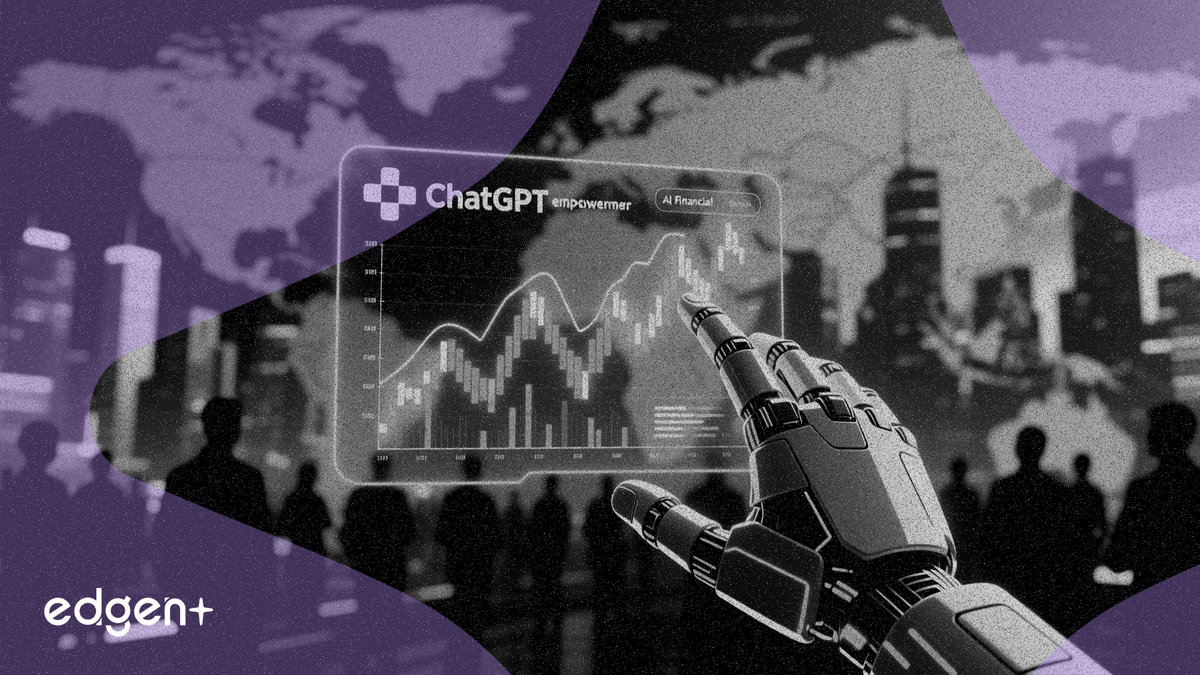
OpenAIは、1万2000の金融機関からのリアルタイム財務データをChatGPTに統合しており、これにより大規模言語モデルがパーソナライズされた予算、支出、投資のアドバイスを提供できるようになります。Plaidの技術を活用したこの動きは、AIの推論能力をユーザーの実際の取引やポートフォリオデータに初めて結びつけるもので、既存のフィンテックアプリや従来の財務アドバイザーに直接挑戦するものです。
「目標は、人々がより大きな財務的自由を持てるようにすることだ」と、PlaidのCEOであるザック・ペレット氏は提携について語り、それは「市場の金融商品をよりよく理解し、金融システムに対する信頼をより強固にすることを意味する」と付け加えました。
現在、米国のChatGPT Proサブスクリプションユーザー向けにプレビュー公開されているこの機能により、AIは銀行口座、クレジットカード、投資ポートフォリオへの読み取り専用アクセスが可能になります。支出の傾向を分析し、購入履歴に基づいて特定のクレジットカードを推奨したり、サブスクリプションを監査したりできます。OpenAIの最新のGPT-5.5 Thinkingモデルがこの体験を支えており、同社は間もなくIntuitのエコシステムへのサポートも追加する予定です。
この提携は、ChatGPTの2億人のユーザーに拡張可能で低コストなアドバイスを提供することで、数十億ドル規模の財務アドバイザリー市場を破壊する可能性があります。OpenAIにとって、これはProサブスクリプションの「スティッキネス(定着性)」を高め、新たな収益源を創出するための戦略的な一手であり、GoogleのGeminiや、Rocket Money、Monarchなどの専用予算管理アプリなどの競合他社を脅かす可能性があります。
個人財務への進出は、GoogleのGeminiや他のモデルとの競争が激化する中で、ユーザーエンゲージメントを深めるためのOpenAIによる計算された動きです。財務データは「スティッキー」であることで知られています。ユーザーが一度口座を連携し、AIが「住宅ローンの頭金のための貯蓄目標」といった「財務上の記憶」を構築すると、ライバルプラットフォームへの乗り換えコストが大幅に上昇します。
このイニシアチブは、OpenAI自身のビジネス上のニーズにも対応しています。同社が社内の収益目標を達成できなかったとの報告がある中、ChatGPT Proの購読料を正当化するためには、より価値の高いユースケースを創出することが不可欠です。IntuitのMintやYNABのようなツールに消費者がすでに料金を支払っている個人財務は、参入すべき論理的で潜在的に収益性の高いバーティカル(垂直市場)です。
ユーザーがPlaid経由で口座をリンクすると、ポートフォリオのパフォーマンス、カテゴリー別の支出、今後の支払いなどを可視化したダッシュボードにアクセスできるようになります。標準的な予算管理アプリとは異なり、ChatGPTは会話の記憶やより広範な文脈知識を利用して、カスタマイズされたアドバイスを提供できます。例えば、ユーザーが転職したことに言及した場合、AIは後で、以前のオフィスの近くにあるジムのサブスクリプションを解約候補として特定することができます。
「これは、個人の財務状況をより広い個人の生活状況に結びつけるのに役立つでしょう」と、OpenAIのプロダクトマネージャー、タイ・ゲリ氏は説明会で述べました。
AIは読み取り専用のアクセス権しか持たず、資金を移動させることはできませんが、プライバシーに関する疑問は残っています。OpenAIは、これらの財務上の会話は通常のチャットと同じデータ学習ポリシーの対象となり、ユーザーが明示的にオプトアウトしない限り、将来のモデルの学習に使用される可能性があると述べています。
初期のPlaid展開に続いて予定されているIntuitとの統合は、より大きな野心を示唆しています。ビジョンは、ユーザーがChatGPTの推奨からクレジットカードの申し込みへ、あるいは税務上の質問から人間の専門家とのセッション予約へと、チャットインターフェース内でシームレスに移行できる組み込み型のトランザクションワークフローです。このモデルは、サブスクリプション以外の大きな収益源を切り開くことになるでしょう。
この記事は情報提供のみを目的としており、投資アドバイスを構成するものではありません。
