

Dokuz üyeli bir jüri, 200 milyar dolara yakın bir değerlemeye sahip olan OpenAI'ın bozulmuş bir vaat üzerine kurulup kurulmadığına yakında karar verecek; bu karar yapay zeka endüstrisini yeniden şekillendirebilir.
Dokuz üyeli bir jüri, 200 milyar dolara yakın bir değerlemeye sahip olan OpenAI'ın bozulmuş bir vaat üzerine kurulup kurulmadığına yakında karar verecek; bu karar yapay zeka endüstrisini yeniden şekillendirebilir.
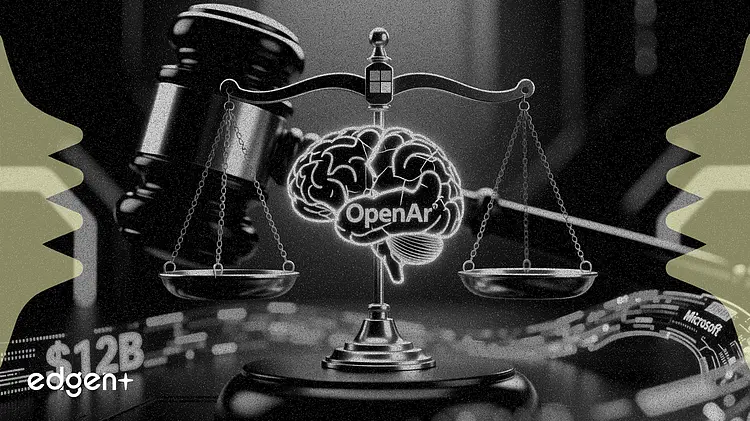
Elon Musk ile OpenAI'ı karşı karşıya getiren dev davanın kapanış savunmaları Perşembe günü sona erdi ve dünyanın önde gelen yapay zeka şirketinin kaderi dokuz üyeli bir jürinin ellerine bırakıldı. Gelecek hafta başında beklenen karar, ChatGPT'nin operatörünü sekteye uğratabilir ve Microsoft'tan (MSFT) gelen 13 milyar dolarlık fonla beslenen kar amaçlı yapının yasallığını sorgulayarak yapay zeka sektörünü yeniden hizalayabilir.
Elon Musk'ın avukatı Steven Molo kapanış konuşmasında, OpenAI CEO'sunun Kasım 2023'teki kısa süreli görevden alınması ve yeniden atanmasının ardından güvenilirliğine odaklanarak, "Sam Altman'ın güvenilirliği bu davada doğrudan söz konusudur... Eğer ona güvenemiyorsanız, ona inanmıyorsanız kazanamazlar. Bu kadar basit," dedi.
Musk; OpenAI, CEO Sam Altman ve Başkan Greg Brockman'ın, laboratuvarın insanlığa fayda sağlamaya adanmış kar amacı gütmeyen bir kuruluş olma yönündeki kurucu misyonundan saparak bir "hayır amaçlı güvenin ihlalini" gerçekleştirdiklerini iddia ediyor. Dava, bu değişimin özellikle 2023'teki 10 milyar dolarlık yatırımdan sonra kurucuları ve Microsoft'u haksız yere zenginleştirdiğini iddia ediyor. OpenAI savunması, Musk'ın bağışlarının hiçbir zaman kar amacı gütmeyen bir kuruluş olarak kalma şartına bağlı olmadığını ve bir adli muhasebecinin Musk'ın tüm fonlarının 2020 yılına kadar, yani temel Microsoft anlaşmalarından önce harcandığına dair ifade verdiğini savunarak karşı çıktı.
Tehlikede olan, üretken yapay zeka patlamasını tanımlayan bir şirketin temel yapısıdır. 150 milyar dolar tazminat talep eden Musk'ın zaferi, OpenAI'ı kar amaçlı kolunu tasfiye etmeye zorlayabilir ve potansiyel olarak Altman'ı yönetim kurulundan uzaklaştırabilir. Böyle bir hamle, Microsoft ile olan kritik ortaklığını kaosa sürükleyecek ve Alphabet’in (GOOGL) Google ve Anthropic gibi rakipleri için yapay genel zekayı (AGI) ticarileştirme yarışında önemli bir kapı açacaktır.
İhtilafın özü, OpenAI'ın ticari bir güç merkezine dönüşmesinin kökenlerine ihanet edip etmediğidir. Musk'ın avukatları, toplam 13 milyar dolarlık taahhüdün bir parçası olan 2023 Microsoft yatırımının, güvenli AGI sağlama yönündeki kar amacı gütmeyen misyonun yerine bireyleri zenginleştiren belirleyici adım olduğunu savunuyor. Bu anlaşmanın Musk'ın ilk hayırsever bağışlarını kişisel kar için bir araca dönüştürdüğünü ve kar amaçlı bağlı ortaklık için yaklaşık 200 milyar dolarlık bir öz sermaye değerlemesi yarattığını iddia ediyorlar.
OpenAI'ın avukatları, Musk'ı "2018'de OpenAI'ı ölüme terk eden" bir kurucu ortak olarak tasvir ederek tamamen farklı bir anlatı sundular. Musk'ın, AGI araştırması için gereken devasa hesaplama gücünü finanse etmek için önemli miktarda özel sermayenin şart olduğunun farkında olduğunu savundular. Tanıklar, Musk'ın kendisinin kar amaçlı bir iştirakin kişisel kontrolünü ele geçirmeye çalıştığını ve daha sonra yapay zeka laboratuvarını elektrikli araç şirketi Tesla (TSLA) ile birleştirmeye çalıştığını ifade ettiler.
Savunma, davasını üç ana temel üzerine inşa etti: zamanaşımı süresinin dolmuş olması, Musk'ın davayı açmadaki gecikmesinin mantıksız olması ve Musk'ın "kirli ellere" (unclean hands) sahip olması. OpenAI'ın baş avukatı Bill Savitt jüriye, Musk'ın davasının bir "kedi uzanamadığı ciğere mundar der" (sour grapes) vakası olduğunu ve ancak ChatGPT'nin muazzam başarısının ayrılma kararının bir yanlış hesaplama olduğunu kanıtlamasından sonra açıldığını söyledi.
OpenAI avukatları, Musk'ın kendi kamuoyu önündeki eleştirilerini ve danışmanı Shivon Zilis'in OpenAI yönetim kurulu üyesi olarak işlemleri onaylamak için oy kullandığı gerçeğini gerekçe göstererek, şirketin kar amaçlı yöneliminden yıllardır haberdar olduğunu savundu. Savunma ayrıca, laboratuvar hala onun bağışlarıyla çalışırken Musk'ın Tesla'daki kendi yapay zeka çalışmaları için OpenAI çalışanlarını işe alarak şirketi aktif olarak baltaladığını ve bunun bir çıkar çatışması teşkil ettiğini iddia ediyor.
OpenAI aleyhine çıkacak bir karar, ticari ivmesini durdurabilir, rakipler için bir boşluk yaratabilir ve OpenAI'ın teknolojisini derinlemesine entegre eden Microsoft hisseleri üzerinde bir karamsarlık yaratabilir. Jürinin önümüzdeki haftaki kararı, tüm yapay zeka sektörü için bir sonraki büyük katalizör olacak.
Bu makale sadece bilgilendirme amaçlıdır ve yatırım tavsiyesi teşkil etmez.
