
More than 200 crypto companies and organizations, including Ripple and Coinbase, signed a letter urging Senate leaders to schedule a floor vote for the CLARITY Act as analysts warn the legislative window is closing before the August recess.
More than 200 crypto companies and organizations, including Ripple and Coinbase, signed a letter urging Senate leaders to schedule a floor vote for the CLARITY Act as analysts warn the legislative window is closing before the August recess.
More than 200 crypto companies and organizations, including Ripple and Coinbase, signed a letter urging Senate leaders to schedule a floor vote for the CLARITY Act as analysts warn the legislative window is closing before the August recess.
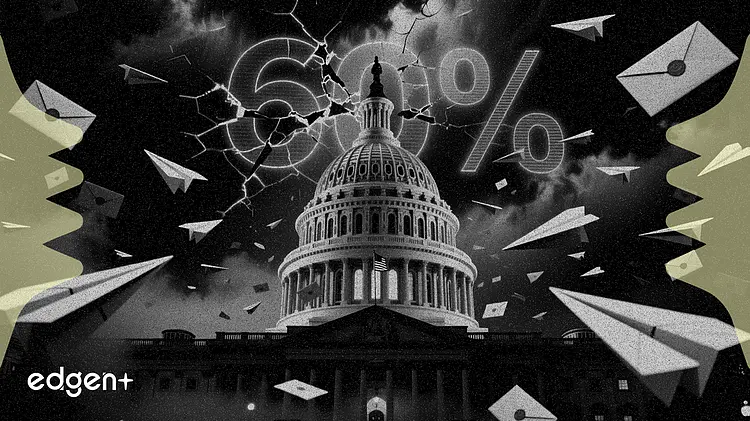
Galaxy Digital lowered its estimate that the CLARITY Act will become law in 2026 to 60% from 75%, citing a tightening Senate calendar and unresolved disputes over ethics and illicit finance provisions. The downgrade came as JPMorgan analysts led by Nikolaos Panigirtzoglou put the odds below 50%, and Bitwise Chief Investment Officer Matt Hougan said his view is "less optimistic," with D.C. insiders he spoke with estimating a 5% to 30% chance of passage.
"The Clarity Act passed committee. The floor is next. We did not come this far to quit at the 5 yard line," Senator Cynthia Lummis, chair of the Senate Banking Subcommittee on Digital Assets, posted on X on Sunday. Lummis told CNBC on Wednesday that lawmakers are working to address ethics and illicit finance issues that could cost support on a floor vote.
The bill, which cleared the Senate Banking Committee on a 15-9 vote on May 14, would create the first comprehensive federal framework for digital assets in the U.S., dividing oversight between the Securities and Exchange Commission and the Commodity Futures Trading Commission. It also includes a provision prohibiting the Federal Reserve from issuing a retail central bank digital currency without explicit congressional authorization — a structural advantage for private stablecoin issuers like Circle and Tether that the GENIUS Act, signed into law in July 2025, did not address.
Floor time keeps slipping. The Senate lost days to a fight over the administration's anti-weaponization fund, and a procedural vote to renew Section 702 of the Foreign Intelligence Surveillance Act failed 47-52 on June 5, with the authority expiring June 12. Majority Leader John Thune would need to schedule floor time in July for the bill to advance before the August recess, after which midterm campaigning drains legislative capacity for complex financial legislation.
Galaxy's Alex Thorn said the firm would revise its odds upward if Senate leaders commit to July floor time and the outstanding provisions are finalized. Polymarket bettors currently see a 54% chance of passage in 2026, down 11% from the prior day. Thorn expects Republicans Josh Hawley and Rand Paul to vote no, meaning leadership needs at least nine Democratic votes to clear the 60-vote cloture threshold.
The industry letter, signed by more than 200 entities including Coinbase, Ripple, and other major crypto firms, urges Senate leaders to bring the bill to the floor. The legislation must still pass the full Senate, be reconciled with House legislation, and receive the president's signature — a sequence that becomes harder to fit into a crowded summer and fall election calendar.
Without a scheduled vote before the August recess, the path likely shifts to September, when campaign politics and a compressed fall agenda could reshape the bill or push it into the next Congress. As prior coverage has detailed, stalling the CLARITY Act now could delay comprehensive crypto regulation until 2030.
This article is for informational purposes only and does not constitute investment advice.
