
Paying off credit card debt before retirement delivers a guaranteed return that beats the S&P 500's 14% annualized gain, billionaire investor Mark Cuban said.
Paying off credit card debt before retirement delivers a guaranteed return that beats the S&P 500's 14% annualized gain, billionaire investor Mark Cuban said.
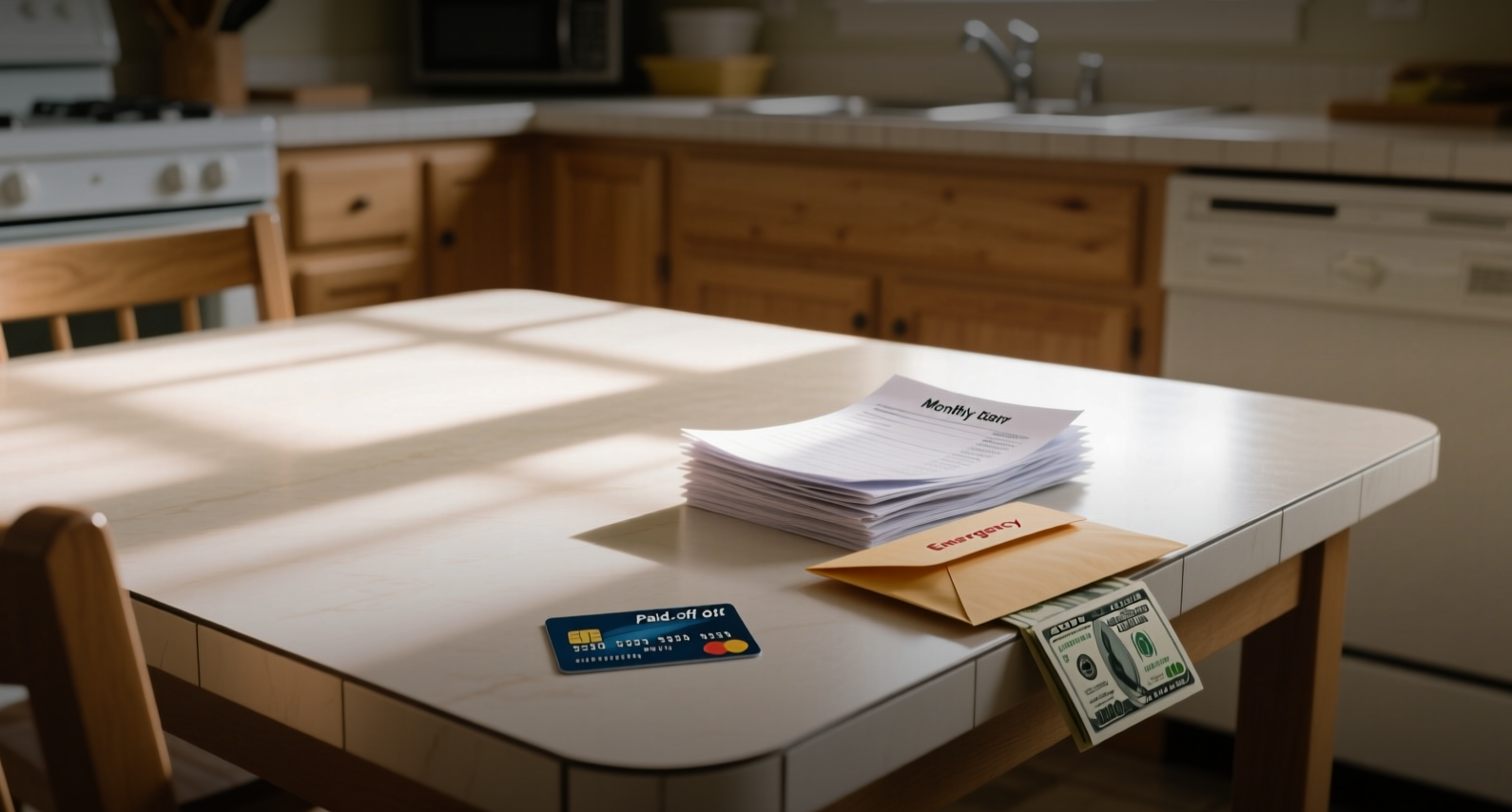
Paying off credit card balances before retirement beats any stock investment because card APRs of 20% to 30% dwarf the S&P 500's 14% annualized return over the past decade, Mark Cuban said.
"It's the best investment you can make," Cuban, the billionaire investor and former Shark Tank host, said. The guaranteed return from avoiding high interest beats hoping a favorite stock performs, he argued.
The math is straightforward. Credit card APRs range from 20% to 30%, while the S&P 500 has produced an annualized 14% return over the past 10 years — and that return is not guaranteed. High interest, by contrast, accumulates daily on any unpaid balance. A $50 monthly subscription that goes unused translates into $600 in annual savings, and medical bills have been responsible for roughly two-thirds of U.S. bankruptcies.
The stakes rise with age. Retirees who defer paying off debt until they begin collecting Social Security and drawing from 401(k) accounts often find those income streams insufficient to make a meaningful dent in principal, while interest compounds each day. Emergency expenses never announce themselves, and a sudden cost can turn a small balance into a large one.
The S&P 500 is on track to post a fourth consecutive year of double-digit gains, a streak not seen since the 1990s. The index gained 24.2% in 2023, 23.3% in 2024 and 16.4% in 2025, and is up 11.6% year to date, according to YCharts data. But those returns are neither guaranteed nor repeatable. In 2022, the index lost 19.4%, and both Amazon and Nvidia fell 50% as a bear market — defined as a 20% drop from recent highs — took hold. The record for consecutive annual market gains is eight years, set in the 1980s, but valuations that run ahead of performance tend to self-correct, as Warren Buffett has noted.
Cuban's own history shaped his view. Before becoming a billionaire, he struggled with credit card debt to the point of ripping up cards and being unable to buy a computer at Radio Shack on credit. A friend lent him $500 for the machine he used to build the software that changed his trajectory, teaching him to treat debt as something to pay off aggressively rather than as leverage.
Cuban argues against holding stocks while debt builds in the background. Sequence-of-returns risk — the danger of withdrawing from a 401(k) during a sharp market correction — forces investors to sell more assets to cover the same debt. A debt-free card and a cash buffer are the two best resources to minimize that impact if stocks drop sharply at retirement.
To eliminate credit card debt, Cuban recommends analyzing three months of card statements to identify discretionary spending and unused subscriptions. Making more frequent payments toward principal reduces interest accumulation, and adding extra work hours — whether at a current job or a side hustle — can speed up payoff. Stock investing remains a viable path to wealth, but only after the debt is gone. Debt and assets are never a good mix, especially when margin is involved, and the basics of personal finance — a paid-off card and an emergency buffer — come before risky bets.
The advice also carries a quality-of-life benefit. Debt is an emotional weight that makes it harder to focus on career and daily decisions, while a paid-off card restores control over finances. For investors weighing whether to allocate cash to stocks or to a balance, the guaranteed 20% to 30% APR avoidance beats any equity return that history can promise but never guarantee.
This article is for informational purposes only and does not constitute investment advice.
