
Öne Çıkanlar:
- Çekirdek PCE Nisan'da yıllık %3,8 ile beklentilere paralel gerçekleşti
- Çekirdek PCE %3,3'e yükselirken, aylık veriler tahminlerin altında kaldı
-
- Çeyrek GSYİH %1,6'ya revize edilirken, kişisel gelir sabit kaldı
Öne Çıkanlar:
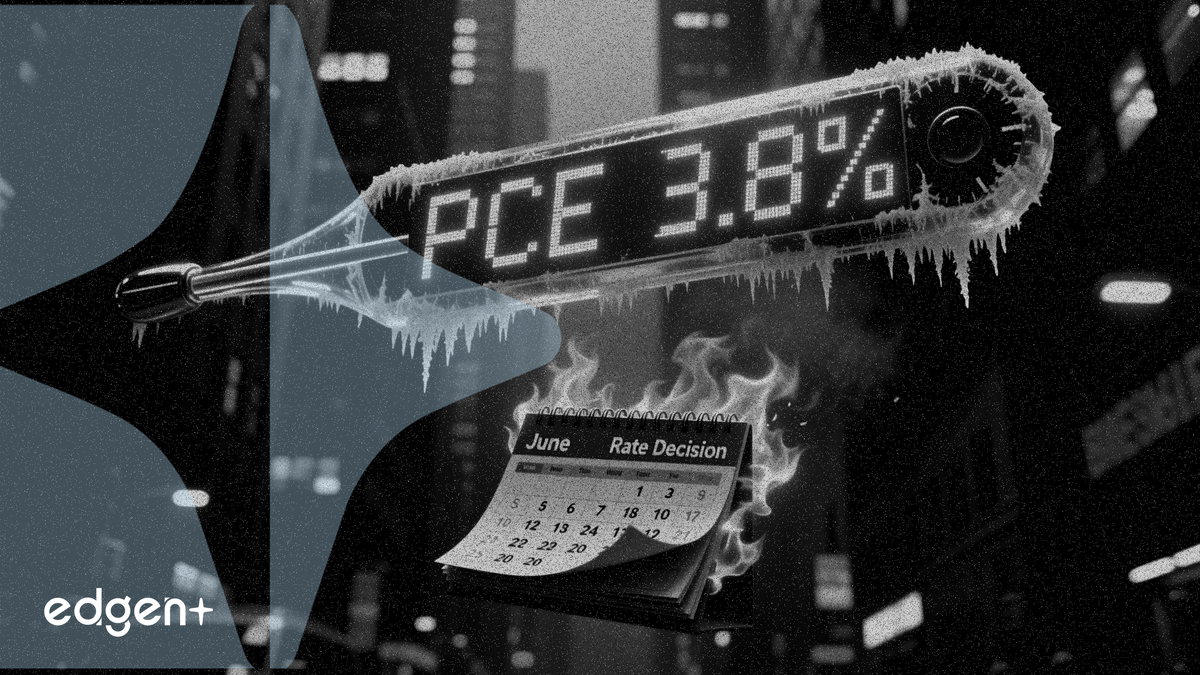
Federal Rezerv'in tercih ettiği enflasyon göstergesi Nisan ayında %3,8'de sabit kalırken, aylık veriler beklentilerden düşük geldi ve faiz indirimlerinin ne zaman başlayabileceğine dair çok az netlik sağladı.
"Bu yılın ikinci yarısında faiz indirimi bekleyenler bunu unutabilir, çünkü bu tür veriler 2026'da ve hatta gelecek yılın tamamında bir faiz indirimi alma olasılığımızı giderek azaltıyor," dedi Northlight Asset Management baş yatırım sorumlusu Chris Zaccarelli.
Ticaret Bakanlığı Ekonomik Analiz Bürosu Perşembe günü yaptığı açıklamada, Kişisel Tüketim Harcamaları fiyat endeksinin bir yıl öncesine göre %3,8 arttığını ve Mart ayı okuması ile ekonomistlerin beklentilerini karşıladığını bildirdi. Oynak gıda ve enerji fiyatlarını hariç tutan çekirdek PCE ise %3,2'den %3,3'e yükseldi. Aylık bazda, manşet PCE %0,4 artarak %0,5'lik konsensüsün altında kalırken, çekirdek %0,2 artarak %0,3'lük tahminin altında gerçekleşti. 10 yıllık Hazine tahvil getirisi veri sonrası %4,49'un altına gerilerken, hisse senedi vadeli işlemleri önceki kayıplarını sınırladı. Dow Jones Sanayi Ortalaması vadeli işlemleri %0,2 düşüş kaydederken, Nasdaq 100 ve S&P 500 kontratları yataya yakın seyretti.
Veriler, Fed'in ileriye dönük yolunu karmaşıklaştırıyor. İlk çeyrek gayri safi yurt içi hasıla başlangıçtaki %2,0'den %1,6'ya revize edilirken, kişisel gelir Nisan'da %0,4'lük artış beklentilerine karşın sabit kaldı — bu kombinasyon stagflasyon endişelerini artırıyor. Fed'in enflasyon hedefi yıllık %2 seviyesinde ve mevcut okumalar bu seviyenin neredeyse iki katı olmaya devam ediyor. Bir sonraki politika kararı 17-18 Haziran'da alınacak.
Kalıcı enflasyon, kısmen Ortadoğu'daki çatışmaya bağlı olarak yükselen petrol fiyatlarının etkisini yansıtıyor. Batı Teksas tipi ham petrol, ABD ve İran'ın askeri saldırılar gerçekleştirdiği haberlerinin ardından Perşembe günü %2,3 artışla varil başına 90,70 dolara yükselirken, Brent petrol %2,1 artışla 96,25 dolara çıktı. Yüksek enerji maliyetleri doğrudan ulaşım ve üretim giderlerine yansıyarak Fed'in kontrol altına almaya çalıştığı fiyat baskılarını artırıyor.
Manşet PCE'nin ardışık aylarda %3,5'in üzerine çıktığı son dönem, Fed'in hâlâ faiz artırdığı 2023 ortasıydı. O dönemde, piyasalar faiz yolunu yeniden fiyatlarken S&P 500 takip eden altı haftada %4,2 düştü. Mevcut ortam kritik bir açıdan farklılık gösteriyor: büyüme, yüksek enflasyonla birlikte yavaşlıyor. İlk çeyrek GSYİH'nın aşağı yönlü revizyonu, sabit kişisel gelirle birleştiğinde, tüketicilerin 2025 yılı boyunca harcamaları sürdüren tasarruf tamponunun tükenmekte olabileceğini gösteriyor.
Goldman Sachs geçen hafta yayınladığı bir notta "yükselen tahvil getirilerinin, yavaşlayan bir ekonomi veya enflasyonist baskılarla birlikte bir hisse senedi piyasası düzeltmesini tetikleyebileceği yönünde artan bir risk olduğu" uyarısında bulundu. Cleveland Fed'in Enflasyon Nowcasting modeli, manşet PCE'nin Mayıs'ta daha da yükselerek %4,06'ya, çekirdeğin ise %3,36'ya ulaşacağını öngörerek enflasyon sorununun çözümden uzak olduğunu gösteriyor.
Piyasalar için sonuçlar net. Enflasyon %3,5'in üzerinde yapışkan kalırken büyüme yavaşlarsa, Fed zayıflayan bir ekonomide sıkılaştırma yapmak ile hedefin üzerindeki enflasyonu daha uzun süre kabul etmek arasında bir seçimle karşı karşıya kalacak. Gecelik endeks swap'ları şu anda yıl sonuna kadar herhangi bir faiz indirimi fiyatlamıyor; Zaccarelli'nin yorumları da bu görüşü güçlendiriyor. Altın Perşembe günü %1,5 düşüşle ons başına 4.380 dolara gerilerken, Bitcoin gece saatlerinde 75.300 doların üzerindeki seviyelerden 73.400 dolara gevşedi; riskli varlıklar, kalıcı sıkı para politikası beklentisine karşı geniş çaplı bir yeniden fiyatlama yaşadı.
Bu makale yalnızca bilgilendirme amaçlıdır ve yatırım tavsiyesi niteliği taşımaz.
