

Key Takeaways:
- POSCO enters LFP cathode market with a six-year, 190,000-ton supply deal
- Contract with a South Korean battery maker expected in the third quarter of 2026
- Vertical integration and Argentina lithium aim to cut raw-material costs
Key Takeaways:
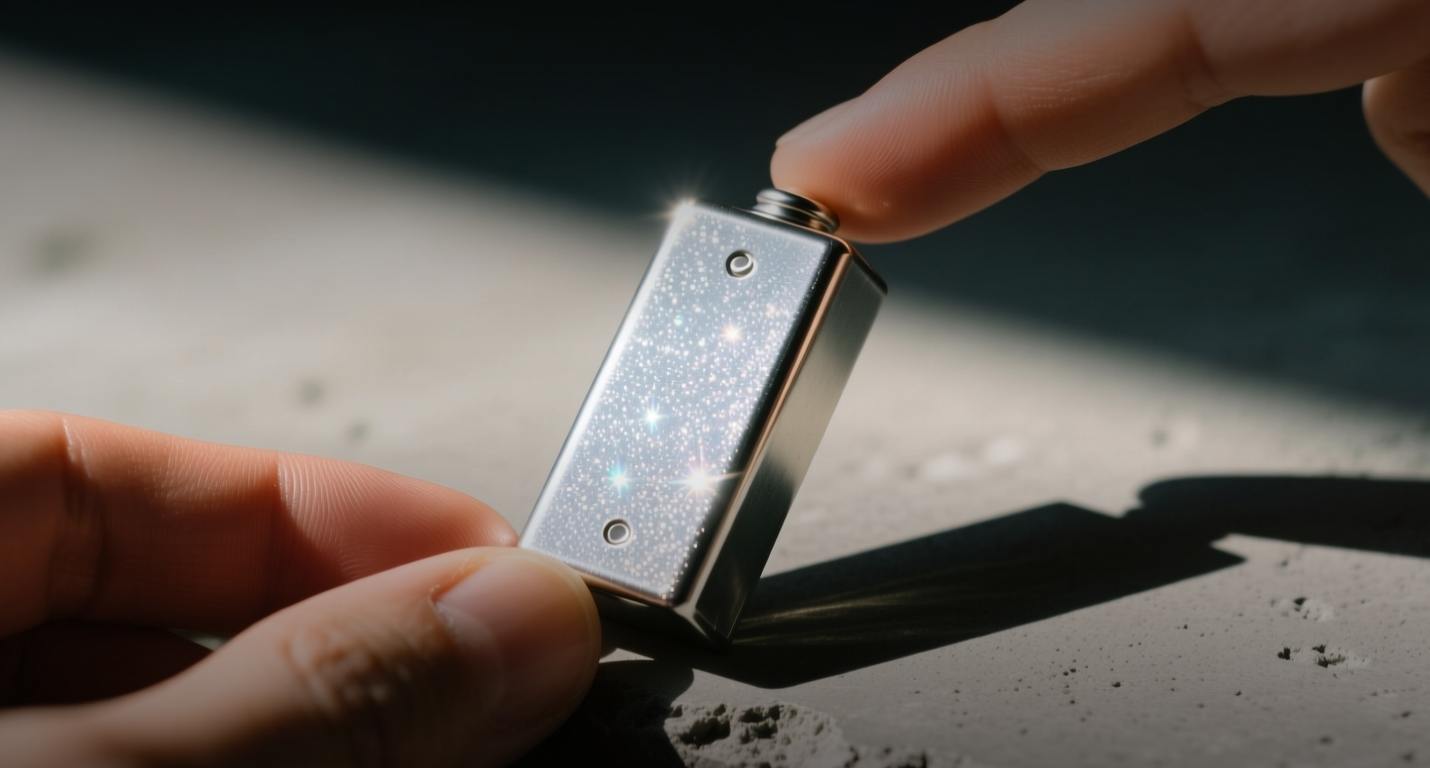
POSCO's first LFP cathode order puts the steelmaker in direct competition with Chinese suppliers for North America's fast-growing energy-storage market.
POSCO Holdings is entering the lithium iron phosphate cathode market with a six-year, 190,000-ton supply deal, tapping surging North American energy-storage demand as AI data centers expand. The agreement, reached through subsidiary POSCO Future M, marks the company's first major LFP cathode order and diversifies a battery-materials portfolio long focused on high-nickel cathodes.
POSCO said the shift toward LFP chemistry reflects a strategic bet on lower-cost batteries. LFP (lithium iron phosphate) cells are cheaper and more thermally stable than nickel-cobalt-manganese (NMC) cathodes, though they carry lower energy density, making them a fit for stationary storage where weight matters less than in vehicles.
The South Korean steelmaker will supply more than 190,000 metric tons of LFP cathode materials to a major domestic battery manufacturer from 2027 through 2032, with a formal contract expected in the third quarter of 2026. POSCO has converted part of its Pohang facility's high-nickel cathode lines to LFP production, with customer prototype certification underway and mass production targeted by the end of 2026.
Demand for LFP-based energy storage is rising rapidly in North America as electricity consumption climbs and utilities and data-center operators invest in large-scale storage. The expansion of AI data centers is adding to the need for reliable power infrastructure, supporting the chemistry's adoption.
POSCO's competitive edge rests on a vertically integrated supply chain. The company plans to use iron oxide generated as a by-product of its steelmaking operations, combined with lithium sourced from salt lakes in Argentina, to lower raw-material costs and secure supply. That matters as North American customers seek alternatives to Chinese battery-material suppliers, which dominate global LFP production through scale and low-cost manufacturing.
The LFP push follows a March agreement worth about KRW 1 trillion with a global automaker to supply synthetic graphite anode materials. POSCO is investing roughly KRW 357 billion to build a synthetic graphite anode plant in Vietnam to support that demand. Separately, CNP New Material Technology, a joint venture between POSCO and FINO-CNGR, began construction of an LFP cathode plant at Yeongil Bay in Pohang in May, with mass production expected in 2027 and capacity to expand in phases to as much as 50,000 tons annually.
POSCO shares have gained 8.2 percent over the past year, compared with a 22.5 percent decline in its industry, and carry a Zacks Rank #2 (Buy). The LFP entry gives the company exposure to a battery segment growing faster than the high-nickel cathodes it has historically supplied, though it faces entrenched Chinese rivals such as BYD and CATL with years of production scale. The company is pursuing additional cathode and anode supply agreements with global battery makers and automakers as trade regulations reshape supply chains, and it is expected to finalize the LFP contract terms in the third quarter of 2026.
This article is for informational purposes only and does not constitute investment advice.
