
Voters in four states will decide this November whether to cap property-tax growth, a push that could reshape local government finances across the U.S.
Voters in four states will decide this November whether to cap property-tax growth, a push that could reshape local government finances across the U.S.
Voters in Wyoming, Florida, Oklahoma and North Carolina will decide on property-tax limits this November as average single-family home bills climbed 34 percent to more than $4,400 since 2016, according to Attom data.
"Property taxes are very visible, and that makes them a target," said John Diamond, who directs the Center for Tax and Budget Policy at Rice University. "A lot of people have to write that check every year."
Wyoming already enacted a 25 percent exemption on the first $1 million of a primary home's value last year, yet average property taxes there rose 65 percent between 2019 and 2024 as home values jumped 52 percent since the start of 2019, per Zillow data. A ballot measure would extend the exemption to 50 percent of home values. Oklahoma's measure would cap annual assessment growth at 1.75 percent, while North Carolina voters will weigh a constitutional amendment requiring state lawmakers to add property-tax growth limits. Florida's proposal could trigger a $12 billion municipal shortfall over two years, according to a University of North Florida poll.
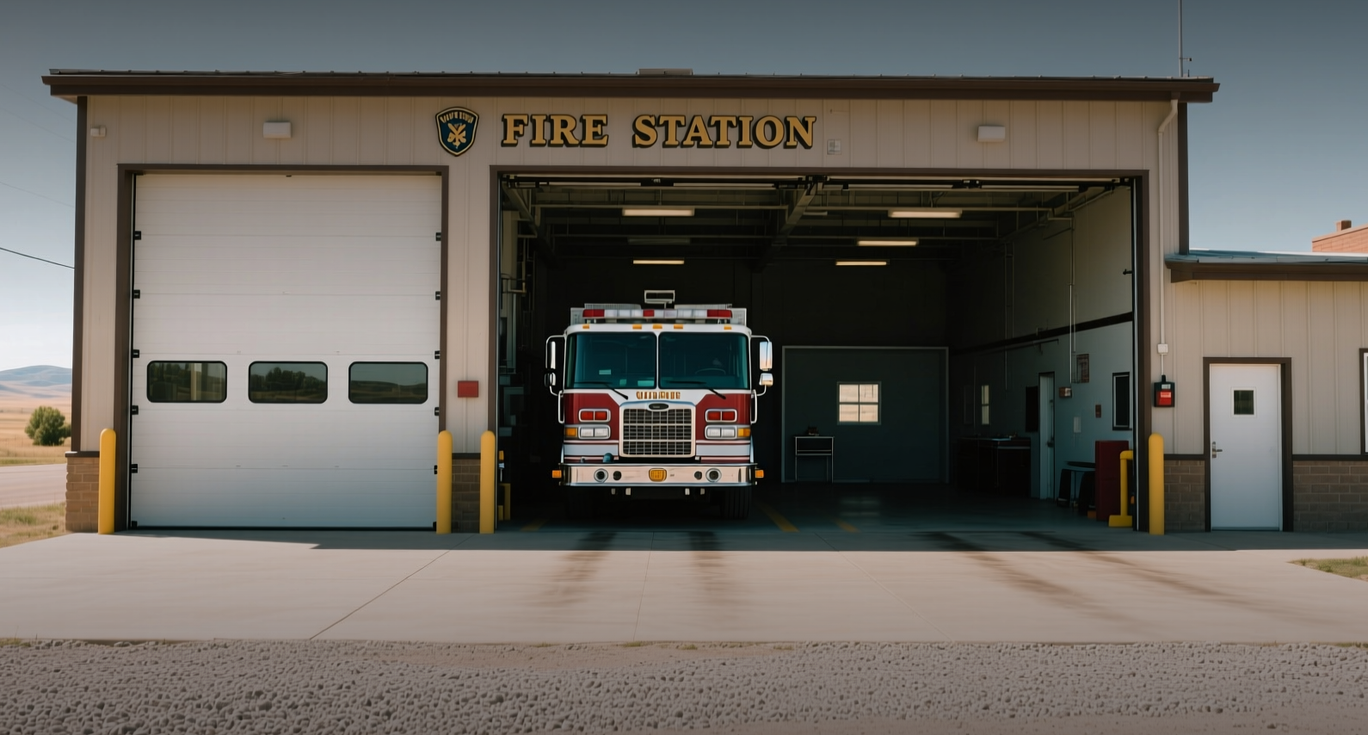
Property taxes comprised 29 percent of total U.S. state and local tax collections in 2023, making them the single largest revenue source, according to the Tax Foundation. Local officials warn that cuts will force reductions in school funding and emergency services — the Laramie County Fire Authority in Wyoming already saw its budget slashed by one-third, or about $800,000.
The push is largely concentrated in Republican-led states, in some cases tied to state-level political platforms. Texas Gov. Greg Abbott, who signed a $10 billion property-tax-relief package last year, has called for a law capping annual growth in local government spending at 3.5 percent. "Stop the spending that leads to property tax increases to begin with," Abbott said at a February rally.
The rollbacks are generating pushback from local officials who say they will lose vital revenue. Wyoming's eight community colleges have already seen a $14 million loss due to property-tax cuts in the past year, said Erin Taylor, executive director of the Wyoming Association of Community College Trustees. The Laramie County Fire Authority, a mostly volunteer-staffed department, has reduced its training budget and tapped an emergency fund after its most recent fiscal year budget was cut by more than one-third, said fire chief Jason Caughey. "Our citizens will end up seeing the impact of that with delayed response times, and potentially with not as many firefighters," he said.
In Florida, cities are already cutting spending to prepare for a potential massive revenue drop. A recent University of North Florida poll found that if the ballot language mentioned a possible $12 billion municipal shortfall over two years, support from likely voters fell from 61 percent — just above the 60 percent threshold the state requires for approval — to 45 percent.
The current wave echoes earlier anti-property-tax movements. California in the late 1970s famously added tight limits on increases unless a home is sold, and the 2000s saw similar rollbacks before the housing bust. "You have people who are mad about their higher tax burden joining with people who don't believe property taxes should exist in the first place," said Jared Walczak, a senior fellow at the Tax Foundation. "There's always been a strain of conservatism that just distrusted any tax on property — in a more populist era, that strain is larger."
For homeowners like Jim Lewis, 80, of Jackson Hole, Wyoming, the relief cannot come soon enough. Property taxes on the home he and his wife bought in 2001 more than tripled to about $16,250 by 2022. They have since moved to a smaller property and now qualify for a state tax exemption aimed at long-term owners, but he supports the planned cut. "There are a lot of people here in Teton County and certainly elsewhere in Wyoming where property taxes are a significant piece of their expense," he said.
Wyoming's ballot measure originated from a petition launched by Brent Bien, a Republican running for governor in the Aug. 18 primary. "We're a blue-collar retirement state with roughly about 42 percent of the people living on fixed income," Bien said. "Property taxes are unsustainable for a lot of folks." Bien said he envisions covering lost property-tax revenue by scaling back government spending and ensuring local counties re-prioritize the programs they fund, while protecting essential services like fire and emergency medical services.
The outcome of the November votes will determine whether the anti-property-tax wave continues to build or hits a political ceiling. If measures pass in multiple states, homeowners could see materially lower annual bills, but local governments will face the challenge of closing budget gaps — a trade-off that will play out in school funding, public safety and infrastructure spending for years to come.
This article is for informational reference only and does not constitute professional advice; readers should verify figures against the latest official announcements.
