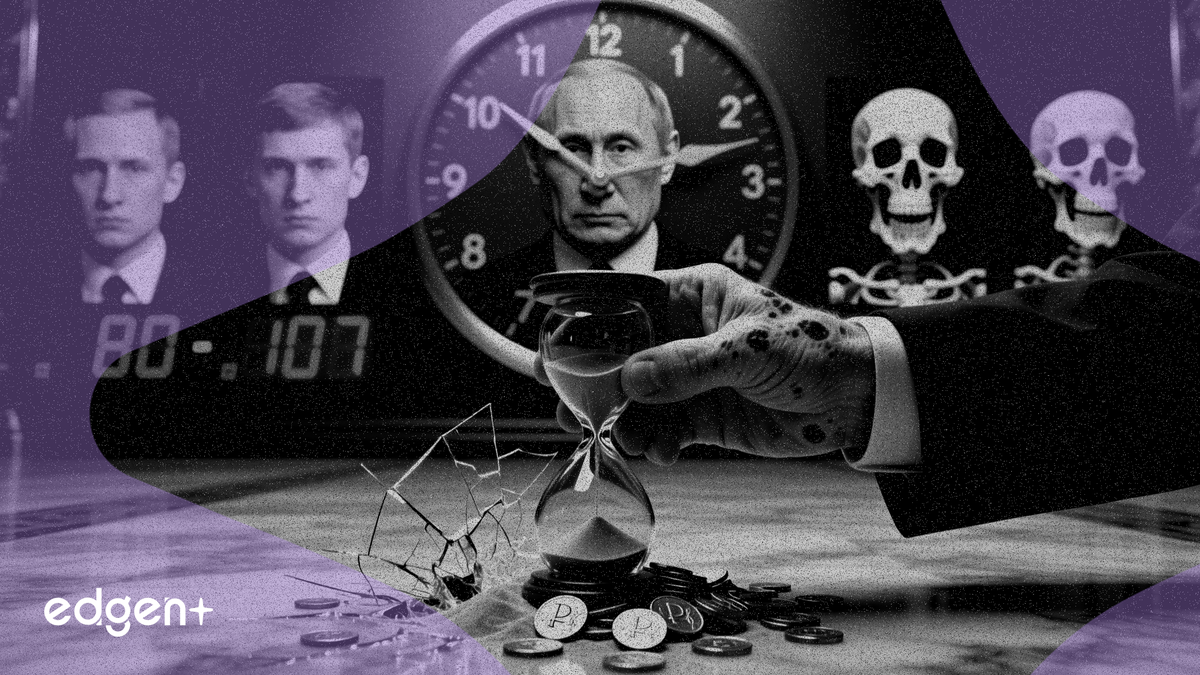
Rusya, Başkan Vladimir Putin'in yaşamı uzatma konusundaki kişisel hayranlığını Kremlin için amiral gemisi bir bilimsel önceliğe dönüştürerek, 26 milyar doları devlet destekli bir uzun ömür programına ayırdı. Programı, Başbakan Yardımcısı Denis Sekirinsky, "yaşlanmaya karşı mücadelede en umut verici yollardan biri" olarak tanımladı.
"Yeni Sağlık Koruma Teknolojileri" olarak adlandırılan girişim, on yılın sonuna kadar 175.000 hayat kurtarmayı hedefliyor. Putin'in programı 2024'te açıkladığı sırada eleştirmenlerin belirttiği gibi, bu rakam kabaca Ukrayna'daki Rus askeri kayıplarına ilişkin bağımsız tahminlerle örtüşüyor. Sekirinsky, 23 Nisan'da bilim insanlarının hücresel yaşlanmayı yavaşlatmak için tasarlanmış bir gen terapisi tedavisi geliştirdiğini duyurdu. Bu tedavi, insan organlarının biyobaskısını ve genetiği değiştirilmiş mini domuzların içinde insanla uyumlu doku yetiştirilmesini içeren daha geniş bir araştırma portföyünün parçası.
Kremlin basın servisi yaptığı açıklamada, "Bu projeler devlet tarafından destekleniyor ve birçok bilimsel ve araştırma kurumu bunlara katılıyor" dedi.
Uzun ömür hamlesine Putin'e yakın iki isim öncülük ediyor: Devlet destekli genetik programlarını denetleyen bir endokrinolog olan kızı Maria Vorontsova ve Sovyet dönemi nükleer araştırma merkezi Kurchatov Enstitüsü'nün başkanı fizikçi Mikhail Kovalchuk. Putin müttefiki ve bankacı Yuri Kovalchuk'un kardeşi olan Kovalchuk, bilimin yakında insanların vücut parçalarını süresiz olarak onarmasına ve değiştirmesine izin vereceğini savundu. Rus medyasına verdiği demeçte, "Ölümsüzlük hakkında konuşmak zor, ancak insanı onarma yeteneği şüphesiz artacaktır" dedi.
Devlet kurumlarıyla çalışan Rus bilim insanları, insan kıkırdak dokusunu ve bir fare tiroid bezini biyolojik olarak bastıklarını ve 2030 yılına kadar insan organ naklini hedeflediklerini iddia ediyor. Domuzların içinde organ yetiştirmek için de benzer bir zaman çizelgesi tartışılıyor. Jeff Bezos, Sam Altman ve Peter Thiel gibi Silikon Vadisi figürleri tarafından finanse edilen benzer araştırmaların aksine, Putin'in çevresi tarafından desteklenen çalışmalar, büyük uluslararası dergilerde çok az hakemli araştırma üretti.
Ülkede biyobaskıya öncülük eden ancak Ukrayna'nın tam kapsamlı işgalinden sonra ülkeden ayrılan Rus bilim insanı Alexander Ostrovskiy, "Yayın yoksa gerçek sonuç da yoktur ve onların ifadeleri muhtemelen rüya değilse bile arzu olarak alınmalıdır" dedi. Rus araştırmalarını Batı işbirliğinden koparan yaptırımlara atıfta bulunarak, "Bilimi izole bir şekilde yapmak imkansız" diye ekledi. "Muhtemelen Putin'e, fon sağlamak için duymak istediklerini söylüyorlar."
Yaptırımlar ve Bilimsel İzolasyon
Rusya'nın 2022'de Ukrayna'yı işgalinden sonra uygulanan Batı yaptırımları, laboratuvar ekipmanlarına, reaktiflere ve akademik dergilere erişimi kısıtlayarak girişimin doğrulanabilir sonuçlar üretme yeteneğini sınırladı. Ostrovskiy, şirketini sattı (şirket şimdi hükümetle işbirliği yapıyor) ancak araştırma ortamının kısıtlı kaldığını söyledi. Resmi istatistiklere göre Rusya'da ortalama erkek yaşam süresi yaklaşık 68 yıl iken, ABD'de yaklaşık 76 ve Batı Avrupa'nın büyük bölümünde 80'in üzerindedir. Bu fark, Kremlin'in uzun ömür hedefleri ile ülkenin halk sağlığı gerçeği arasındaki uçurumu gözler önüne seriyor.
Kovalchuk, uzun ömür bilimini Kremlin'in Batı ile medeniyet mücadelesine ilişkin daha geniş ideolojik anlatısıyla birleştirdi. 2015 tarihli bir konuşmasında Batı'nın "hizmetkar insanlar" - sınırlı öz farkındalığa sahip kontrol edilebilir insanlar - yaratmaya doğru ilerlediğine dair uyardı. Ayrıca ABD'nin Covid-19 salgınının arkasında olduğunu öne sürdü; Putin de bu iddiayı dile getirdi. Kovalchuk, CIA'in eski Nazi doktorlarıyla insanlığı kontrol etmek için komplo kurduğu 1968 Sovyet filmi "Dead Season"ı (Ölü Sezon) alenen övdü. Putin bu filmin KGB'ye katılması için kendisine ilham verdiğini söylemişti.
Bir diğer etki, buzağı dokusundan elde edilen peptit bazlı yaşlanma karşıtı tedavileri teşvik eden "Putin'in gerontoloğu" lakaplı Vladimir Khavinson'du. Peptitler, iddia edilen birçok fayda için sınırlı kanıt bulunmasına rağmen Robert F. Kennedy Jr. ve Joe Rogan dahil ABD'li sağlıklı yaşam figürleri arasında popülerlik kazandı. Putin'den Rusya'nın en yüksek devlet ödüllerinden birini alan Khavinson, Kutsal Kitap'a atıfta bulunarak insanların 120 yıl yaşaması gerektiğini savundu. 2024 yılında 77 yaşında öldü.
Şu anda 73 yaşında olan Putin, onlarca yıldır avcılık, hokey ve motosiklet sürüşünün sahnelenen gösterileriyle fiziksel güç imajı geliştiriyor. Bu imajın arkasında, bedensel gerilemeyle alışılmadık derecede meşgul bir yönetici yatıyor. Covid-19 salgını sırasında dezenfeksiyon tünelleri ve uzun izolasyon gereksinimleri dahil ayrıntılı karantina protokolleri uyguladı. Bir keresinde dönemin Avusturya Şansölyesi Sebastian Kurz'a vücudu eksi 170 derece Fahrenheit kadar düşük sıcaklıklara maruz bırakan bir kriyoterapi odasını denemesini tavsiye etmişti.
Bir Rus Uzun Ömür Hayali Geleneği
Putin'in arayışı, yaşamı uzatmaya yönelik daha önceki Sovyet deneylerini yansıtıyor. 1920'lerde polimat Alexander Bogdanov'un gençleştirici kan nakli deneyleri Kremlin'in ilgisini çekmişti; ancak kendisi kendi kendine uyguladığı bir tedavi sonucu 55 yaşında öldü. Bir on yıl sonra, doktor Oleksandr Bogomolets, insanların 150 yıla kadar yaşayabileceğini iddia eden araştırmalarıyla Stalin'in övgüsünü kazandı. Kendisi 65 yaşında öldü.
Putin'in en yakın yardımcıları ve müttefiklerinin çoğu, Kovalchuk kardeşler ile Yuri Ushakov, Sergei Chemezov ve Nikolai Patrushev gibi isimler de dahil olmak üzere 70'li yaşlarında. Yaşlanan liderlik yoğunluğu, Kremlin araştırmaya milyarlarca dolar akıtırken bile, şimdilik hakemli sonuçlardan çok hırs üreten bu girişim, halefiyet planlaması ve politika sürekliliği hakkında soruları gündeme getiriyor.
Bu makale yalnızca bilgilendirme amaçlıdır ve yatırım tavsiyesi niteliği taşımaz.