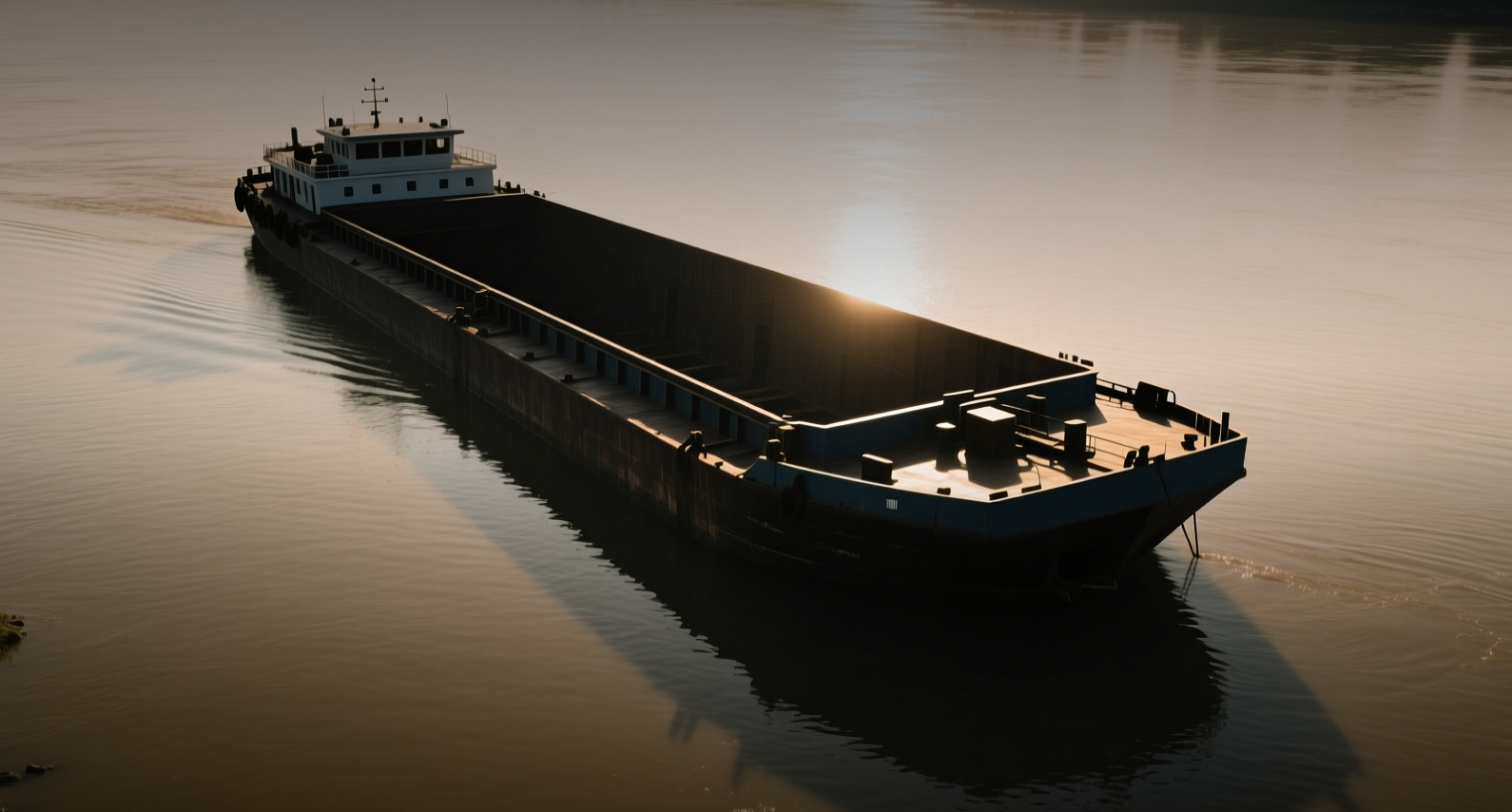
Water levels on the Rhine in Germany fell again because of hot, dry weather, pushing barge transport costs to about €140 a ton, traders said Tuesday.
"Vessel owners impose low water surcharges to make it worth their while to sail with such small loads," a commodity trader said. "Industry is transferring cargo to rail and road transport, but this is also expensive because of the extra demand."
The cost of tanker barge transport from Rotterdam to Karlsruhe rose to around €130-€140 ($147.70-$159.10) a ton on Tuesday from about €120-€125 at the start of the week and €45 at the end of June, traders said. The navigable water depth at the chokepoint of Kaub near Karlsruhe stood at about 30 cm on Tuesday and is forecast to fall to around 27 cm by Friday, according to Germany's inland navigation agency WSV. Vessels generally need a depth of 1.5 meters at Kaub to sail fully loaded.
The Rhine is a critical shipping route for commodities including grains, minerals, ores, coal and oil products. German companies faced supply bottlenecks and production problems in summer 2022 after a drought and heatwave led to unusually low water levels. Some rain is forecast by the end of the week, which could provide relief, traders said.
The reduced carrying capacity means cargo owners must spread loads across multiple vessels, compounding costs. Traders stressed that sailings on the river continue, though there comes a point where small loads are no longer economical or vessel owners are concerned about damage to their barges.
The Rhine low-water crisis echoes the 2022 disruption that forced German industrial giants including BASF SE and ThyssenKrupp AG to adjust production schedules and seek alternative transport. The current episode comes at a time when European industrial supply chains are already under pressure from elevated energy costs and weak demand.
This article is for informational purposes only and does not constitute investment advice.