

Rocket Lab đang tận dụng công nghệ tên lửa Electron của mình để chiếm lĩnh thị phần ngày càng tăng trong thị trường thử nghiệm siêu thanh trị giá hàng tỷ đô la, đa dạng hóa hoạt động ngoài việc phóng vệ tinh.
Rocket Lab đang tận dụng công nghệ tên lửa Electron của mình để chiếm lĩnh thị phần ngày càng tăng trong thị trường thử nghiệm siêu thanh trị giá hàng tỷ đô la, đa dạng hóa hoạt động ngoài việc phóng vệ tinh.
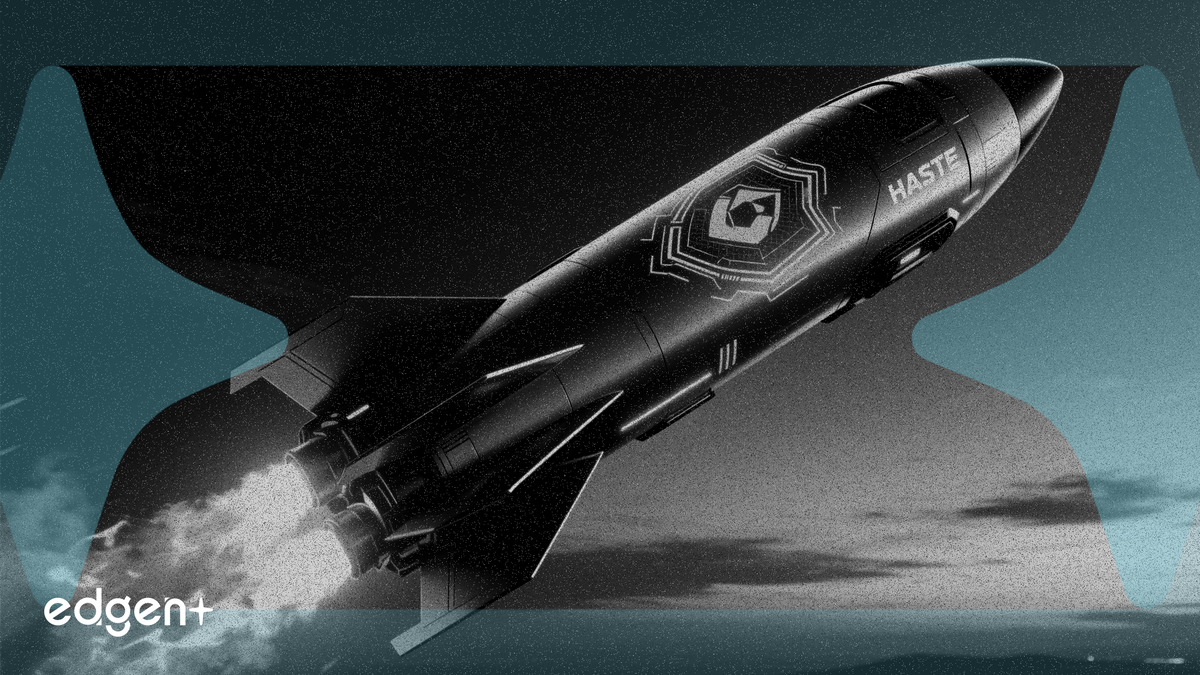
Rocket Lab USA Inc. đang mở rộng quan hệ đối tác với lĩnh vực quốc phòng, giành được hợp đồng phóng nhiều lần với Anduril Industries để thử nghiệm các công nghệ siêu thanh bằng phương tiện HASTE của mình. Thỏa thuận được công bố vào ngày 13 tháng 5, báo hiệu một bước chuyển mình chiến lược của Rocket Lab, sử dụng công nghệ phóng đã được thiết lập để tạo ra các nguồn doanh thu mới có biên lợi nhuận cao ngoài việc triển khai vệ tinh thương mại.
"HASTE đại diện cho tốc độ, khả năng chi trả và thử nghiệm công nghệ siêu thanh đáng tin cậy, và đó là một sự kết hợp mạnh mẽ cho chính phủ Hoa Kỳ và các đối tác trong ngành như Anduril," người sáng lập và CEO của Rocket Lab, Ngài Peter Beck, cho biết. "Cùng nhau, Rocket Lab và Anduril đang thu hẹp khoảng cách giữa nghiên cứu siêu thanh và triển khai vận hành nhanh nhất có thể."
Hợp đồng bao gồm ba vụ phóng thử nghiệm siêu thanh cho Anduril từ Khu phức hợp phóng 2 của Rocket Lab ở Virginia, với nhiệm vụ đầu tiên dự kiến sẽ bay trong vòng chưa đầy 12 tháng. Anduril, một công ty công nghệ quốc phòng, đang tài trợ toàn bộ cho các bệ thử nghiệm bằng nguồn vốn nội bộ của mình để đẩy nhanh việc phát triển các hệ thống quốc phòng hỗ trợ AI. Khoảng thời gian nhanh chóng từ khi ký hợp đồng đến khi phóng làm nổi bật khả năng đáp ứng không gian linh hoạt của Rocket Lab.
Đối với các nhà đầu tư, hợp đồng với Anduril xác nhận chiến lược của Rocket Lab nhằm đa dạng hóa hoạt động kinh doanh và giảm sự phụ thuộc vào thị trường phóng vệ tinh thương mại đầy cạnh tranh. Bằng cách khai thác nhu cầu ngày càng tăng về khả năng thử nghiệm siêu thanh từ ngành công nghiệp quốc phòng, công ty đang định vị mình là nhà cung cấp then chốt cho các hợp đồng chính phủ có giá trị cao, một bước đi có thể hỗ trợ định giá cổ phiếu cao hơn.
Tham vọng quốc phòng của Rocket Lab được hỗ trợ thêm bởi một loạt các vụ thâu tóm chiến lược. Công ty gần đây đã thông báo rằng họ đang mua Motiv Space Systems, một công ty robot có phần cứng đã được chứng minh trong các nhiệm vụ như xe tự hành Mars Perseverance của NASA. Việc thâu tóm này sẽ thấy Motiv được đổi tên thành Rocket Lab Robotics, mang công nghệ quan trọng về nội bộ và đảm bảo nguồn cung cấp các thành phần hạn chế như bộ truyền động tấm pin mặt trời (SADA).
Chiến lược tích hợp theo chiều dọc này không mới đối với Rocket Lab. Vào tháng 8 năm 2025, công ty đã mua Geost với giá 275 triệu đô la, một chuyên gia về các hệ thống cảm biến hồng ngoại và quang điện tử tiên tiến được sử dụng để cảnh báo và theo dõi tên lửa. Bằng cách thâu tóm cả Motiv và Geost, Rocket Lab có được chuyên môn và năng lực sản xuất quan trọng trong lĩnh vực robot, cảm biến và kiểm soát chuyển động, định vị công ty để đấu thầu các nhiệm vụ thám hiểm mặt trăng và hành tinh phức tạp hơn.
Nền tảng của chương trình HASTE là tên lửa Electron chủ lực của công ty, đã triển khai thành công nhiều vệ tinh thương mại. Việc tái sử dụng một nền tảng chi phí thấp, đã được chứng minh này cho phép Rocket Lab cung cấp các dịch vụ thử nghiệm siêu thanh với chi phí và thời gian chỉ bằng một phần nhỏ so với các phương pháp truyền thống. Cách tiếp cận này đang biến công ty từ một nhà cung cấp dịch vụ phóng đơn thuần thành một công ty công nghệ quốc phòng và không gian tích hợp hơn. Sự kết hợp giữa robot nội bộ từ Motiv, cảm biến tiên tiến từ Geost và phương tiện phóng đáng tin cậy trong HASTE tạo ra một hệ sinh thái mạnh mẽ để phát triển và thử nghiệm các công nghệ quốc phòng và thám hiểm thế hệ tiếp theo.
Bài viết này chỉ dành cho mục đích thông tin và không cấu thành lời khuyên đầu tư.
