

Key Takeaways
- RoninはイーサリアムL2に移行し、年間RON排出量を4,500万トークンから500万トークンへと89%削減しました。
- この動きは2022年の6億2,500万ドルのハッキング事件を受けたもので、Axie Infinityを含むゲームエコシステムのセキュリティをイーサリアムで強化することを目的としています。
- これはBaseやCeloなどのチェーンがイーサリアムに統合される大きなトレンドの一環であり、ブロックスペースへの需要を高めています。
Key Takeaways
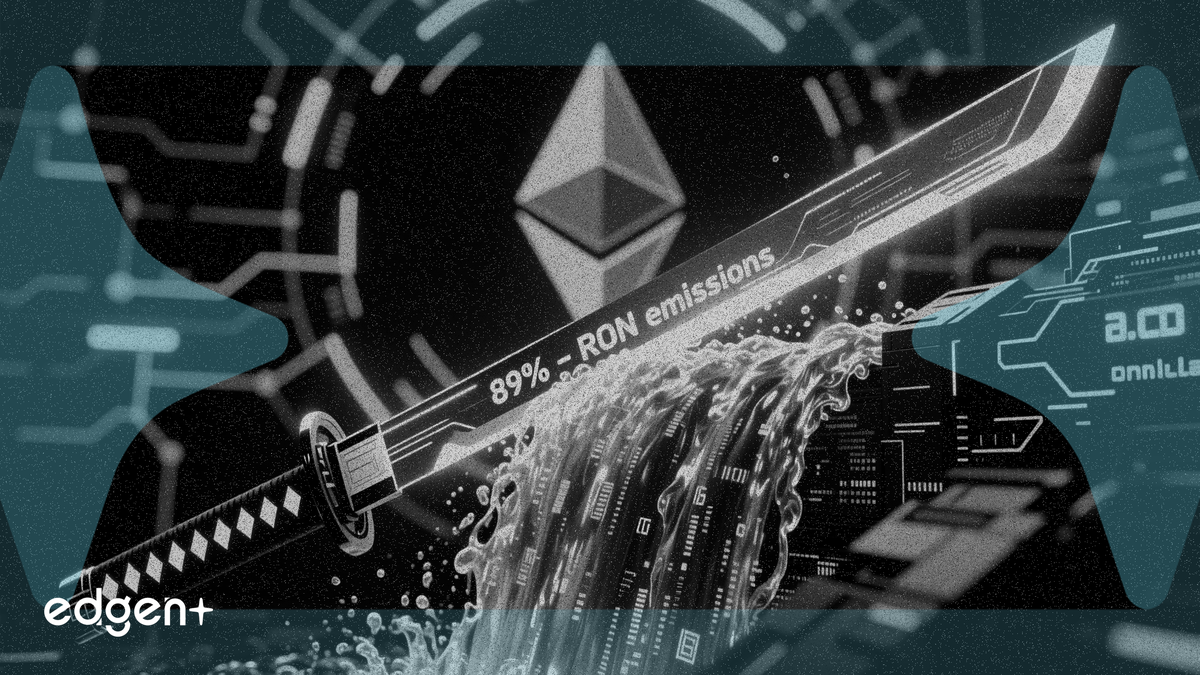
Axie Infinityエコシステム向けのゲーム特化型ブロックチェーンであるRoninは、イーサリアム・レイヤー2への移行を完了しました。これにより、ネットワークの年間RONトークン排出量を89%削減し、経済モデルを抜本的に刷新しました。この転換により、RoninはOP Stackエコシステム内に位置づけられ、独立したサイドチェーンからイーサリアムによって保護されるネットワークへの戦略的なピボットを意味しています。
会社側の声明によると、チームはこの移行を「ホームカミング(帰還)」と表現しており、移行によってRoninはゲーム中心のインフラを維持しながら、イーサリアムのセキュリティ、スケーラビリティ、および拡大するレイヤー2エコシステムへのアクセスを得ることができるとしています。この動きは、Base、Celo、Fraxtalなどの他のチェーンも独立して運営するのではなく、イーサリアム上での構築を選択している広範な統合トレンドの一環です。
この移行は、RONのトークノミクスに大きな変化をもたらします。年間排出量は4,500万トークンから500万トークンに削減され、インフレ率は20%以上から1%未満へと急落しました。データによると、ネットワークは受動的なステーキング報酬を「分配証明(Proof of Distribution)」モデルに置き換え、エコシステムに積極的に貢献しているビルダーやプロジェクトに報酬を振り向けています。また、Roninマーケットプレイスのトレジャリー手数料も0.5%から1.25%に引き上げられました。
今回の移行は、独立したチェーンを運用することに伴うセキュリティリスクへの直接的な対応であり、特に2022年にRoninが経験した約6億2,500万ドルのブリッジへの不正流出事件が背景にあります。イーサリアム上で取引を決済することで、Roninはそのセキュリティ保証を活用できます。この動きはイーサリアム自体にも影響を与えます。RoninのようなL2がメインネットワークに取引データを投稿するようになるにつれ、ブロブ(blob)スペースへの需要が高まり、それがETHの手数料バーン(焼却)メカニズムに寄与します。DefiLlamaのデータによると、イーサリアム上のRoninの預かり資産(TVL)は1,325万ドルと、ハッキング前のピーク時の12億ドルから99%減少していますが、戦略的な重要性は、イーサリアムの実証済みのセキュリティモデル内で将来の成長と資本を確保することにあります。
この動きは、広範な暗号資産経済とのRoninの統合を深めることを目的としています。ネットワーク上にUniswap v3をデプロイする提案がすでに検討されており、これによりイーサリアムをリードするDeFiエコシステムと、PixelsやWild Forestなどのタイトルを含むRoninの専用ゲームユーザー層が結びつく可能性があります。SolanaやSuiなどの競合他社が独自のゲームエコシステムを構築し続ける中、数年間の独立期間を経てイーサリアムに戻るというRoninの決断は、L2中心のロードマップに対する強力な支持表明となります。
この記事は情報提供のみを目的としており、投資アドバイスを構成するものではありません。
