
Key Takeaways:
- Samsung Electronics is in early-stage talks with banks on a US ADR offering
- SK Hynix's record $26.5 billion US listing in July reignited Samsung's interest
- Samsung previously evaluated ADRs but abandoned the plan
Key Takeaways:
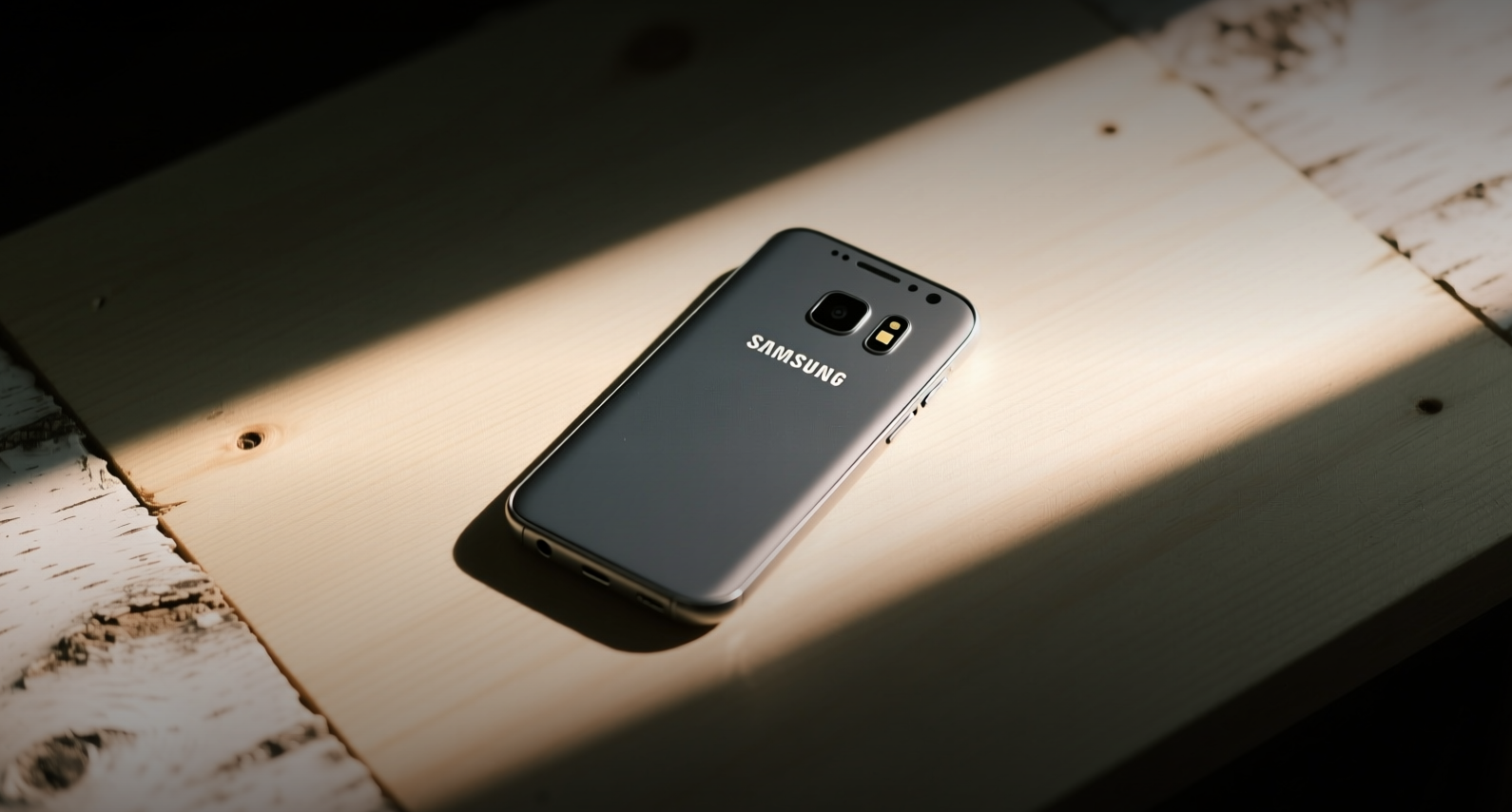
Samsung Electronics Co. is conducting a preliminary assessment of issuing American depositary receipts in the US, reviving a long-dormant plan after rival SK Hynix Inc. raised $26.5 billion in the biggest-ever US listing by a foreign company.
"The discussions are in the very early stages and may not result in a listing," a person familiar with the matter said, asking not to be identified because the talks are private.
Samsung has held preliminary conversations with banks but has not authorized any institution to advance the matter, the people said. The South Korean chipmaker previously reviewed the possibility of an ADR offering before ultimately deciding against proceeding. Samsung's extensive business portfolio and recurring labor disputes may create challenges in structuring the transaction, one of the people said.
A Samsung ADR listing would be one of the largest cross-border equity offerings in history, potentially drawing tens of billions of dollars in institutional capital. The company will consider the performance of volatile memory chip stocks when making its decision, the people said. SK Hynix's ADRs, which debuted on the Nasdaq on July 10, traded at a 36 percent premium to the Seoul-listed shares before closing down 15 percent in Korea on July 13.
Samsung shares rose 3.34 percent in Seoul trading on Tuesday, while XL2CSOPSMSN, a Hong Kong-listed entity linked to Samsung, surged more than 9 percent. The moves reflect investor optimism that a US listing could narrow Samsung's valuation discount relative to global semiconductor peers.
SK Hynix's landmark offering, which priced at $149 per ADR and raised $26.5 billion, was the second-largest share sale in history. BofA Securities, Citigroup, Goldman Sachs and JPMorgan acted as global coordinators. The successful debut has given Samsung fresh motivation to revisit the ADR structure, the people said.
A US listing would give Samsung access to a deeper pool of capital and potentially command a higher valuation multiple than its Seoul listing. The company's market capitalization stood at about $300 billion as of Monday's close, according to data compiled by Bloomberg. Taiwan Semiconductor Manufacturing Co., by comparison, trades at a premium on its New York-listed ADRs relative to its Taipei shares, reflecting the scarcity value of semiconductor exposure in US markets.
The ADR structure also offers Samsung a hedge against the persistent "Korea discount" that has weighed on South Korean equities. Foreign investors have long cited governance concerns and limited capital access as reasons for the valuation gap between Korean chaebols and their global peers. A US listing could help Samsung attract passive fund flows from global indices that track US-listed securities.
Samsung's decision will also depend on market conditions for memory chip stocks, which have been volatile. The semiconductor industry is in the midst of a cyclical upswing driven by artificial intelligence demand, with high-bandwidth memory chips from both Samsung and SK Hynix in short supply. Any deterioration in the chip cycle could delay or derail the ADR plans, the people said.
Samsung declined to comment on the report.
This article is for informational purposes only and does not constitute investment advice.
