Samsung Electronics tăng gần 10% vào thứ Hai, thêm khoảng 30 tỷ USD vốn hóa thị trường khi CEO Jensen Huang của Nvidia đến Seoul làm dấy lên đồn đoán về một thỏa thuận cung ứng bộ nhớ băng thông cao.
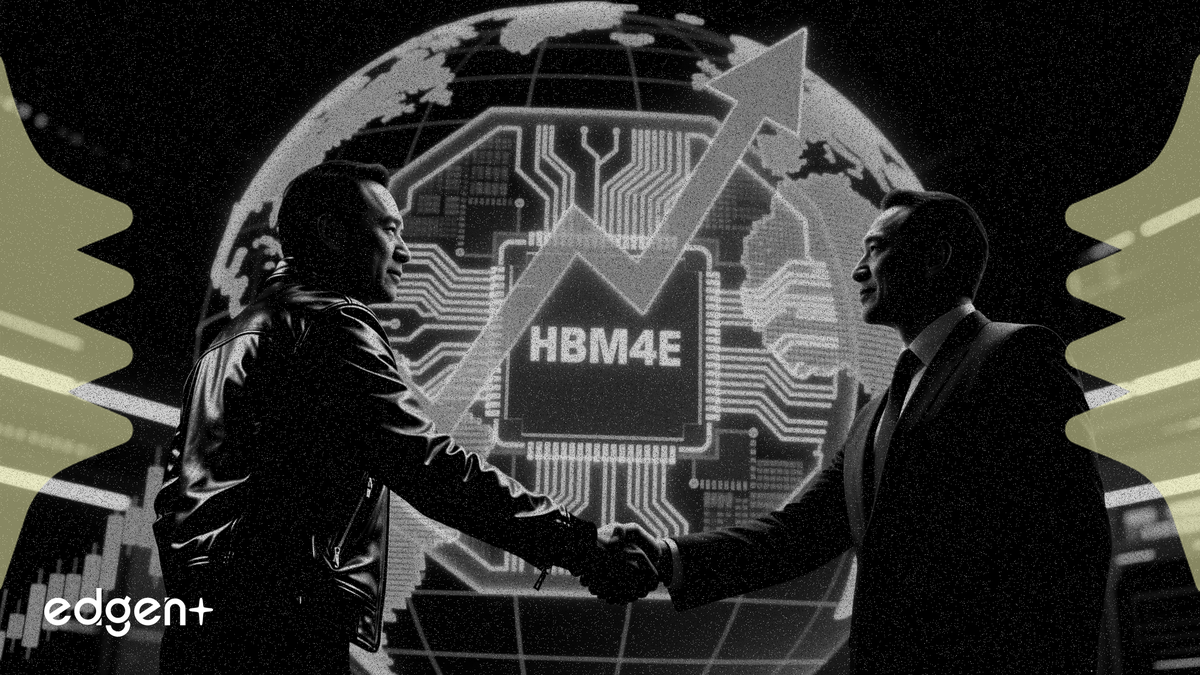
Samsung Electronics Co. tăng tới 9,5% vào thứ Hai, thêm khoảng 30 tỷ USD vốn hóa thị trường, khi Giám đốc điều hành Nvidia Corp., Jensen Huang, đến Seoul cho các cuộc họp mà các nhà đầu tư kỳ vọng sẽ mang lại một thỏa thuận cung ứng HBM4E.
"Thị trường đang định giá một chiến thắng HBM4E đáng kể cho Samsung, điều này sẽ phá vỡ thế độc quyền hiệu quả của SK Hynix trong nguồn cung bộ nhớ tiên tiến cho Nvidia," ông Lee Seung-woo, chuyên gia phân tích tại KB Securities, cho biết. "Một thỏa thuận quy mô này có thể mang lại 8 tỷ đến 10 tỷ USD doanh thu hàng năm cho mảng kinh doanh bộ nhớ của Samsung."
Cổ phiếu Samsung đóng cửa ở mức cao kỷ lục, kéo dài đà tăng đã đưa nhà sản xuất chip Hàn Quốc này trở thành một trong những công ty niêm yết hưởng lợi lớn nhất từ chi tiêu cơ sở hạ tầng AI. Mức tăng 10% của cổ phiếu này vượt xa chỉ số KOSPI rộng hơn, vốn tăng 4,4% lên 8.858,26. Đối thủ SK Hynix Inc. tăng 2,4%, trong khi LG Electronics Inc. tăng 29% và Naver Corp. tăng 12% nhờ kỳ vọng về cơ hội hợp tác AI trong chuyến thăm của Huang.
Một thỏa thuận HBM4E sẽ đánh dấu bước ngoặt cho mảng kinh doanh bộ nhớ của Samsung, vốn đã tụt hậu so với SK Hynix trong việc cung cấp chip bộ nhớ băng thông cao cho Nvidia — loại chip thiết yếu để đào tạo các mô hình ngôn ngữ lớn. Samsung đã lấy mẫu chip HBM4E 12 ngăn xếp của mình từ cuối năm 2025, và việc được Nvidia chứng nhận sẽ xác nhận giá trị của nhiều năm đầu tư vào công nghệ đóng gói tiên tiến.
Chuyến thăm của Huang diễn ra trong bối cảnh xuất khẩu chất bán dẫn của Hàn Quốc đạt mức kỷ lục 87,8 tỷ USD vào tháng 5, tăng 53% so với cùng kỳ năm trước, được thúc đẩy bởi siêu chu kỳ bộ nhớ AI. CEO của Nvidia dự kiến sẽ gặp gỡ các lãnh đạo từ Samsung, Naver và các tập đoàn công nghệ Hàn Quốc khác trong chuyến thăm kéo dài nhiều ngày.
Đối với Samsung, việc giành được mảng kinh doanh HBM4E của Nvidia sẽ cung cấp một nguồn doanh thu quan trọng thứ hai trong một thị trường hiện đang bị SK Hynix thống trị. Thị trường HBM được dự báo sẽ đạt 40 tỷ USD vào năm 2028, theo ước tính của ngành, với Nvidia chiếm phần lớn nhu cầu. Mảng kinh doanh xưởng đúc (foundry) của Samsung, nơi sản xuất chip trên các nút 3nm và sắp tới là 2nm (cho phép đóng gói nhiều bóng bán dẫn hơn trên mỗi milimét vuông, cải thiện hiệu suất trên mỗi watt), cũng có thể được hưởng lợi từ sự hợp tác chặt chẽ hơn với Nvidia trong các bộ tăng tốc AI thế hệ tiếp theo.
Thị trường Hàn Quốc rộng lớn hơn đã tăng điểm nhờ kỳ vọng rằng chuyến thăm của Huang sẽ mở ra các quan hệ đối tác AI sâu rộng hơn trên toàn bộ hệ sinh thái công nghệ của đất nước. Naver, công ty điều hành công cụ tìm kiếm lớn nhất Hàn Quốc và đang phát triển các mô hình ngôn ngữ lớn của riêng mình, đã tăng 12% nhờ đồn đoán về sự hợp tác về đám mây hoặc cơ sở hạ tầng AI với Nvidia.
Cổ phiếu Samsung hiện đang giao dịch ở mức gấp khoảng 18 lần thu nhập dự phóng, thấp hơn so với mức 22 lần của SK Hynix, phản ánh quan điểm của thị trường rằng Samsung cần phải bắt kịp trong cuộc đua bộ nhớ AI. Một thỏa thuận cung ứng HBM4E được xác nhận với Nvidia có thể thu hẹp khoảng cách đó, các nhà phân tích cho biết.
Bài viết này chỉ nhằm mục đích cung cấp thông tin và không cấu thành lời khuyên đầu tư.